
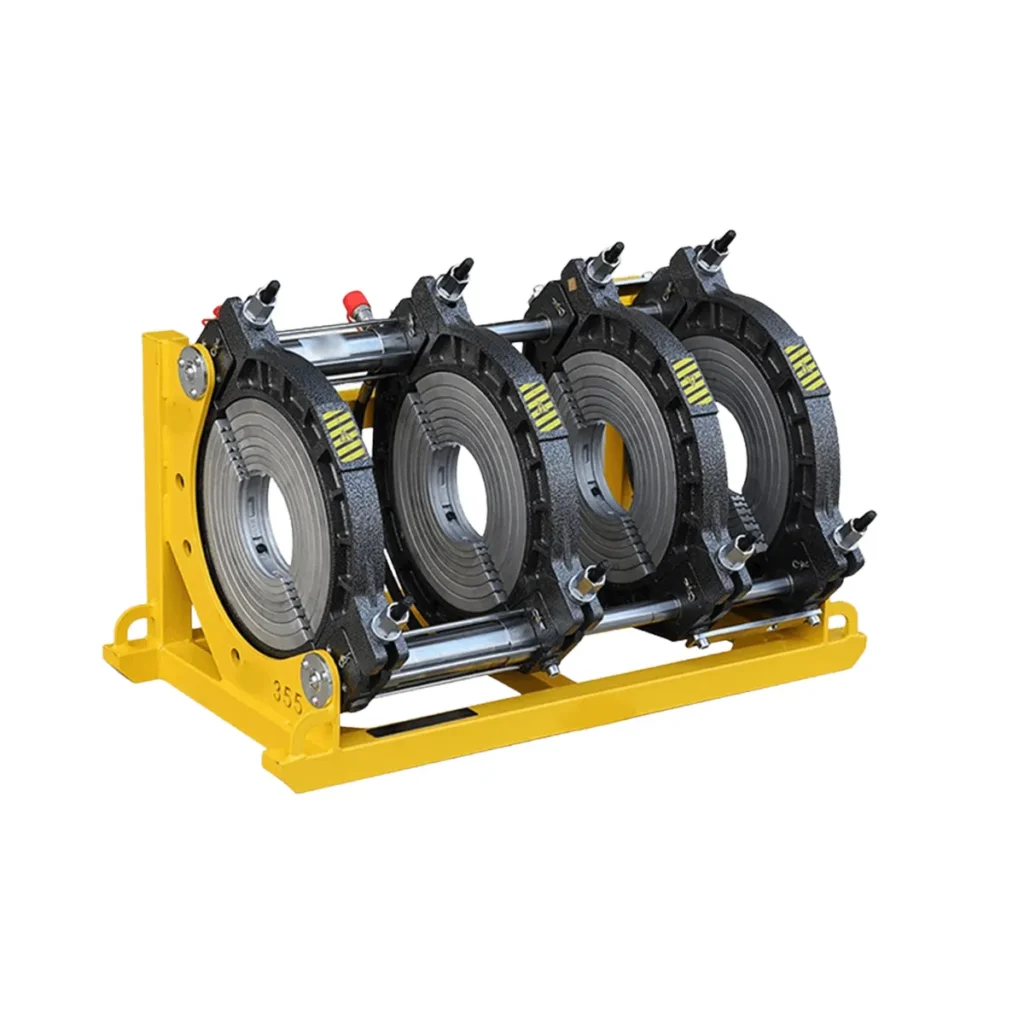
Reliable Hydraulic Butt Fusion Solutions for Brazil’s Growing Pipeline Needs
Brazil’s infrastructure projects—from Amazon-region water distribution to urban gas networks in São Paulo and Rio de Janeiro—demand robust, weather-resistant pipe welding equipment. Hydraulic butt fusion machines deliver consistent joints for HDPE pipes used in municipal water, agriculture irrigation, gas distribution, and mining operations across Brazil. This guide explains why hydraulic systems are preferred, what to look for when buying, and how to match a machine to Brazilian project conditions.
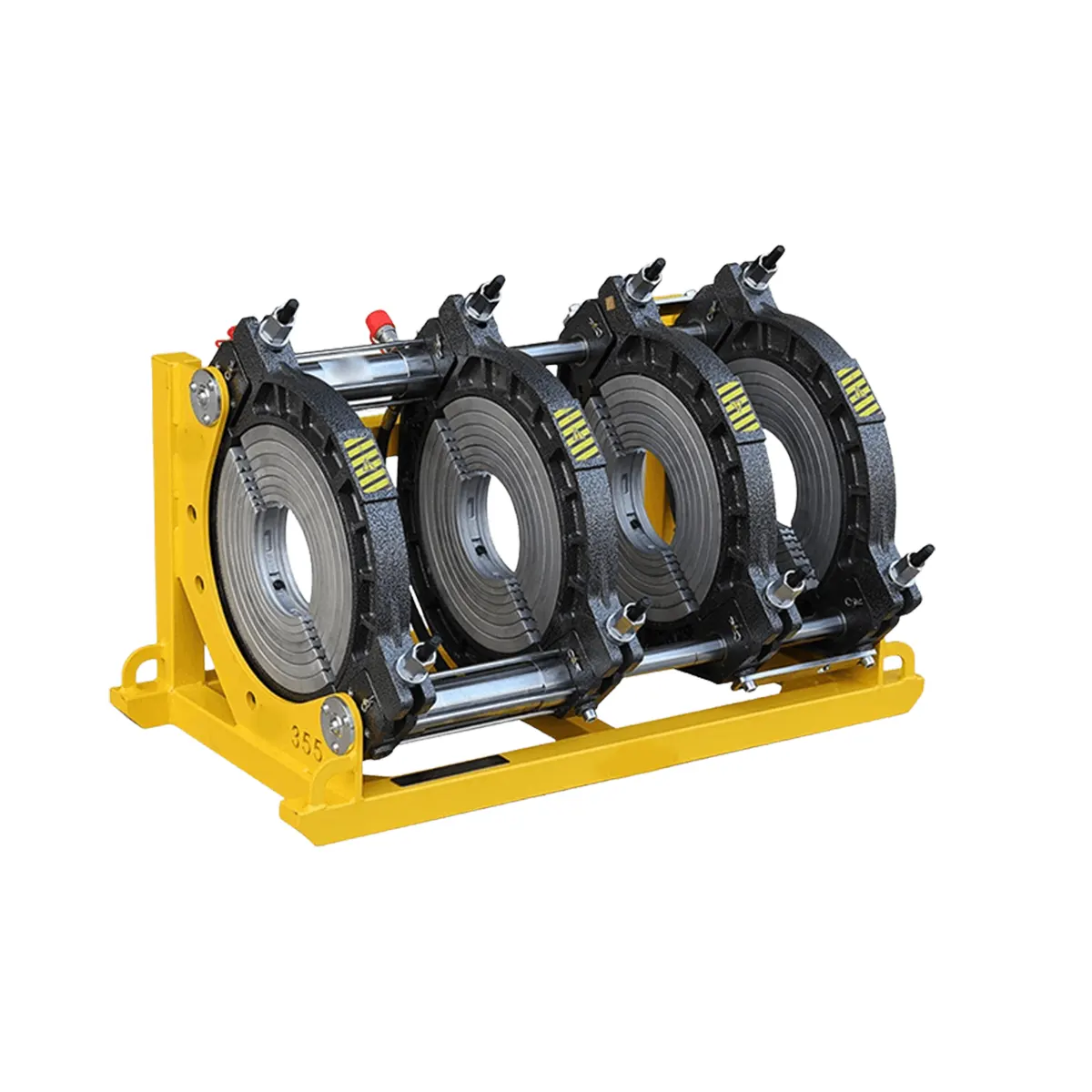
Why Hydraulic Butt Fusion Works Best in Brazil
Hydraulic butt fusion machines provide controlled, high-pressure clamping and accurate alignment—essential when working in varied Brazilian climates, from humid tropics to arid interior regions. Hydraulic systems maintain weld quality over long production runs and heavy-duty applications, offering:
-
Stable force for uniform heating and fusion across large OD pipes.
-
Lower operator fatigue and faster cycle times compared to manual units.
-
Better performance on long pipeline projects and remote sites where repeatable welds are critical.
Key Features to Prioritize
Selecting a machine suited to Brazil’s project diversity means focusing on reliability, portability, and serviceability. Important features include:
-
Hydraulic power pack with adjustable pressure control for different pipe materials and diameters.
-
Interchangeable jaws/clamps for rapid setup across 63mm–2250mm HDPE ranges.
-
Durable heating plates with even temperature distribution and protective covers for humid environments.
-
Field-serviceable components and clear maintenance points to minimize downtime on remote Brazilian sites.
Typical Applications in Brazil
Hydraulic butt fusion machines are widely used across Brazilian industries:
-
Municipal water and sewage pipelines in expanding urban centers.
-
Agricultural irrigation systems across the Central-West and Northeast regions.
-
Gas distribution networks requiring certified, leak-free joints.
-
Mining operations in Minas Gerais and Pará needing heavy-duty, large-diameter welding.
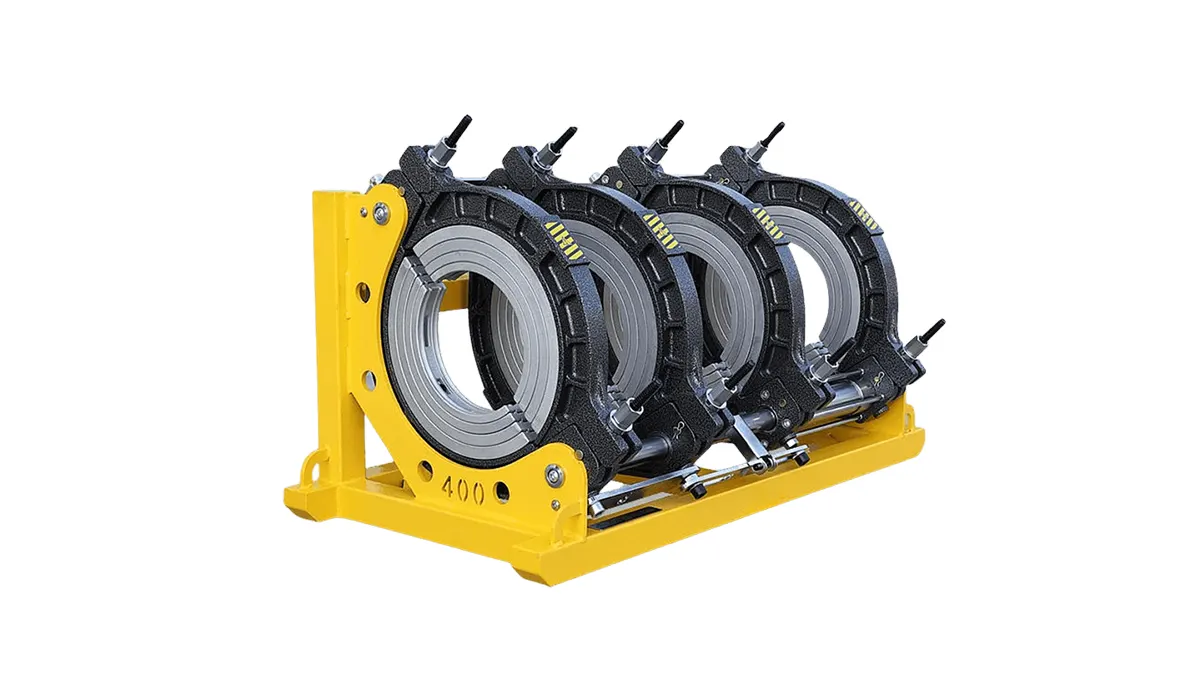
Compare Popular Hydraulic Models (Quick Reference)
| Model | Pipe Range (mm) | Power | Best For |
|---|---|---|---|
| JQH160 | 20–160 | Compact hydraulic unit | Small urban distribution |
| JQH400 | 63–400 | Medium hydraulic pack | Agriculture & municipal |
| JQH1000 | 315–1000 | High-capacity hydraulic | Mining & large mains |
Installation, Training, and Local Support
Brazilian contractors benefit from machines that are quick to commission and easy to maintain. Prioritize suppliers who offer clear setup guides, remote technical assistance, and training for Brazilian field teams. Look for spare parts availability and guidance on adapting welding procedures for local HDPE grades and ambient temperatures.
Tips for Reliable Welds in Brazil’s Conditions
To maximize joint integrity across Brazil’s climate zones, follow these best practices:
-
Store heating plates and consumables in dry conditions to prevent corrosion.
-
Calibrate pressure settings to account for pipe stiffness and ambient temperature.
-
Use proper bevel/trimming tools and keep faces contamination-free before welding.
-
Document weld parameters to meet municipal inspection and certification requirements.
Frequently Asked Questions
Q: Are hydraulic machines suitable for remote sites in Brazil?
A: Yes—choose a model with a robust power pack and simple maintenance needs; portability options and spare parts planning are essential.
Q: How do hydraulic units compare with fully automatic welders?
A: Hydraulic machines strike a balance: more consistent than manual units and often more cost-effective and rugged than some automatic systems for fieldwork.
Get Started
For professional-grade hydraulic butt fusion equipment designed to meet diverse Brazilian project demands, consider JQ-Fusion for quality HDPE welding machines and tailored advice: https://jq-fusionwelding.com/
Ready to choose the right hydraulic butt fusion machine for your Brazil project? Evaluate pipe ranges, field conditions, and ongoing support to ensure safe, leak-free networks that last.



