
Brazil’s expanding infrastructure projects—from municipal water networks in São Paulo to rural irrigation systems in the Central-West and pipeline maintenance in the Amazon region—drive growing demand for reliable HDPE pipe welding equipment. Choosing the right wholesaler ensures consistent supply, technical support, and machines suited to local conditions like high humidity, remote job sites, and seasonal logistics.
Why Brazilian Contractors Prefer Trusted Wholesalers
Local contractors and EPC firms look for suppliers who understand Brazil’s market realities: import rules, customs delays, regional transport constraints, and the need for Portuguese-language documentation and training. A dependable wholesaler provides fast quotations, clear lead times, and spare parts availability to minimize downtime on critical projects such as urban water distribution, gas networks, and agribusiness irrigation.
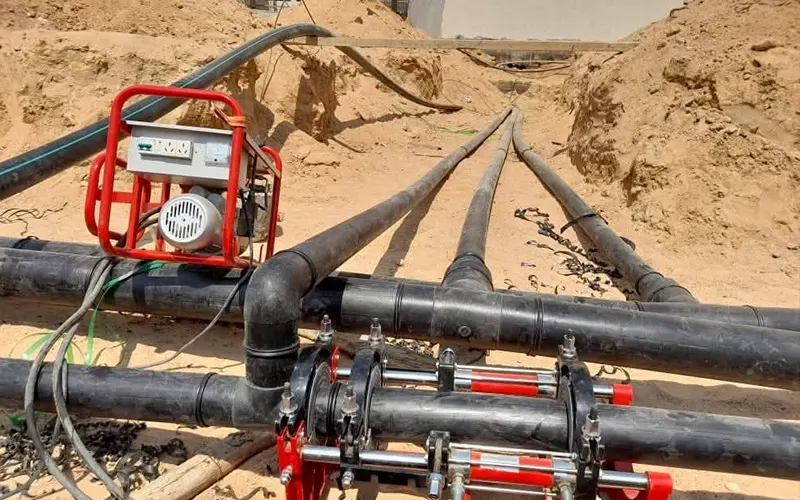
Core Machine Types for Brazilian Applications
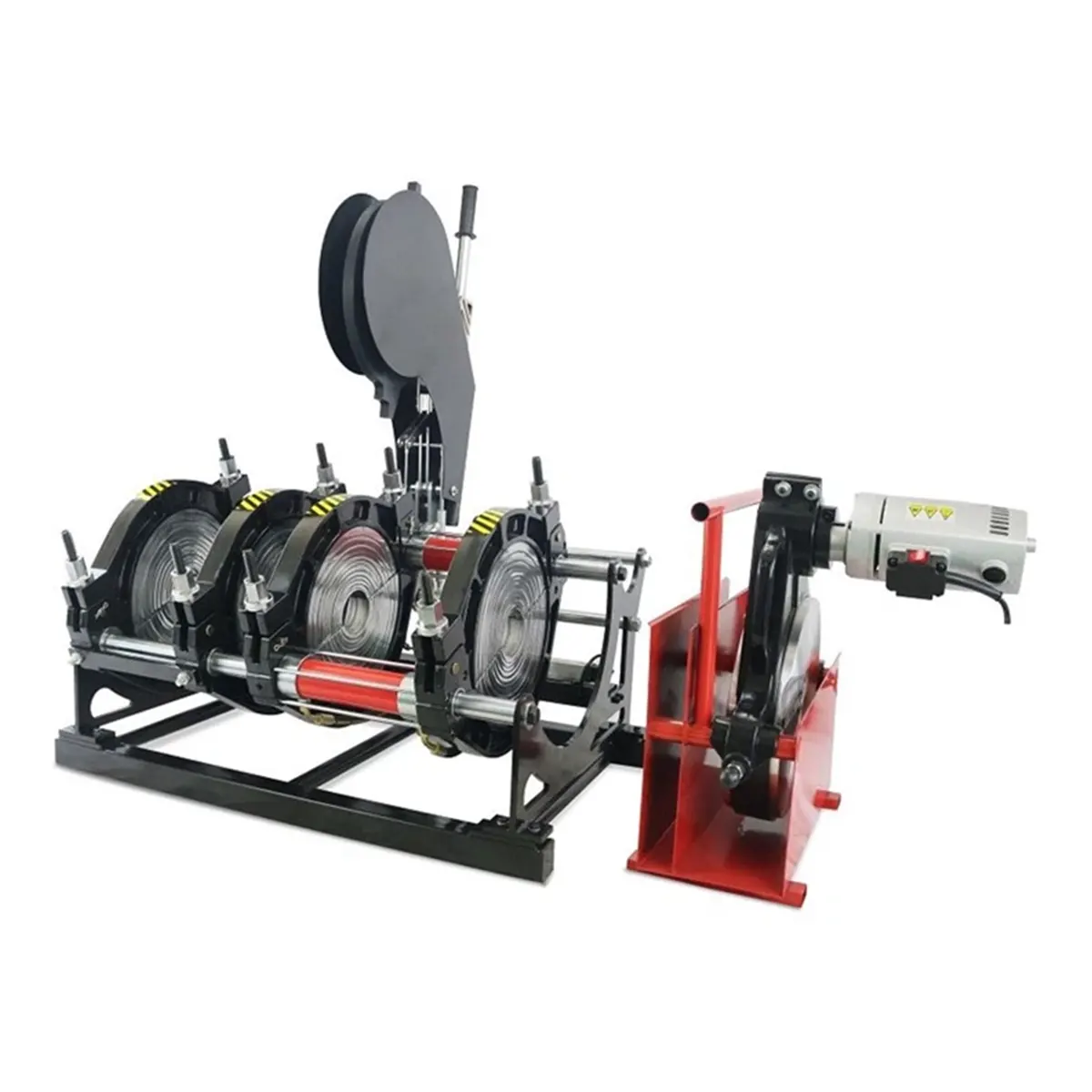
The three main types—manual, hydraulic, and CNC automatic butt fusion machines—cover different project scales. Manual machines suit small municipal works and rural repairs, hydraulic units are ideal for medium-to-large pipeline installation, and automatic CNC systems deliver precision for large-diameter and high-spec industrial pipelines.
Quick Comparison Table
| Machine Type | Typical Diameter Range | Best For | Brazilian Project Examples |
|---|---|---|---|
| Manual Butt Fusion | 20–315 mm | Low-volume, mobile repairs | Rural water schemes, farm irrigation fixes |
| Hydraulic Butt Fusion | 160–2250 mm | High throughput pipeline laying | Municipal networks, gas distribution |
| CNC Automatic Systems | 63–1600+ mm | Precision, repeatability | Industrial, oil & gas, large-diameter mains |
Key Features to Evaluate Before Buying
Portability: For remote Amazon or Nordeste job sites, choose compact frames and easy-to-transport units. Power options: Electric, diesel or hybrid drives matter where grid access is intermittent. Build quality: Corrosion-resistant materials and sealed electronics extend service life in humid climates.
Local Support, Training & Certification
Brazilian buyers benefit from suppliers who offer on-site training in Portuguese and provide documentation aligned with local standards. Verify that welding machines support recognized fusion procedures and come with clear maintenance schedules. A wholesaler that can coordinate spare parts shipments to major ports (e.g., Santos, Rio de Janeiro) and inland hubs helps reduce project risk.
Procurement & Logistics Tips for Brazil
Plan for customs clearance time and local taxes; request CIF or DDP quotes. Confirm warranty terms and available service partners across Brazilian regions. For large infrastructure tenders, ask wholesalers for references on past projects in Brazil and documented quality control processes.
After-Sales Service and Spare Parts
Choose wholesalers who commit to stocking key spares and offering remote troubleshooting. Preventive maintenance kits and operator training packages are valuable for long-term reliability, especially when machines operate in dusty or humid environments common in many Brazilian work sites.
How to Evaluate a Wholesaler Quickly
Request: technical datasheets, lead times, an equipment list with serial photos, client references in Brazil, and a clear spare-parts promise. A responsive quotation turnaround and Portuguese-speaking sales support are strong indicators of supplier readiness for the Brazilian market.
Ready to Source Equipment for Your Project?
If you need a partner who supplies robust HDPE pipe welding machines, offers customization, and understands global and Brazilian project demands, consider contacting JQ-Fusion for product details, lead times, and a quote: https://jq-fusionwelding.com/



