
Pipe welding machines in Somalia are essential tools for building resilient water, gas, and irrigation networks across the country. This guide explains what to look for when buying HDPE butt fusion and electrofusion machines in Somalia, highlights common uses, and lists the key features that local contractors and utility teams need to consider.
Understanding the Somali market and local needs
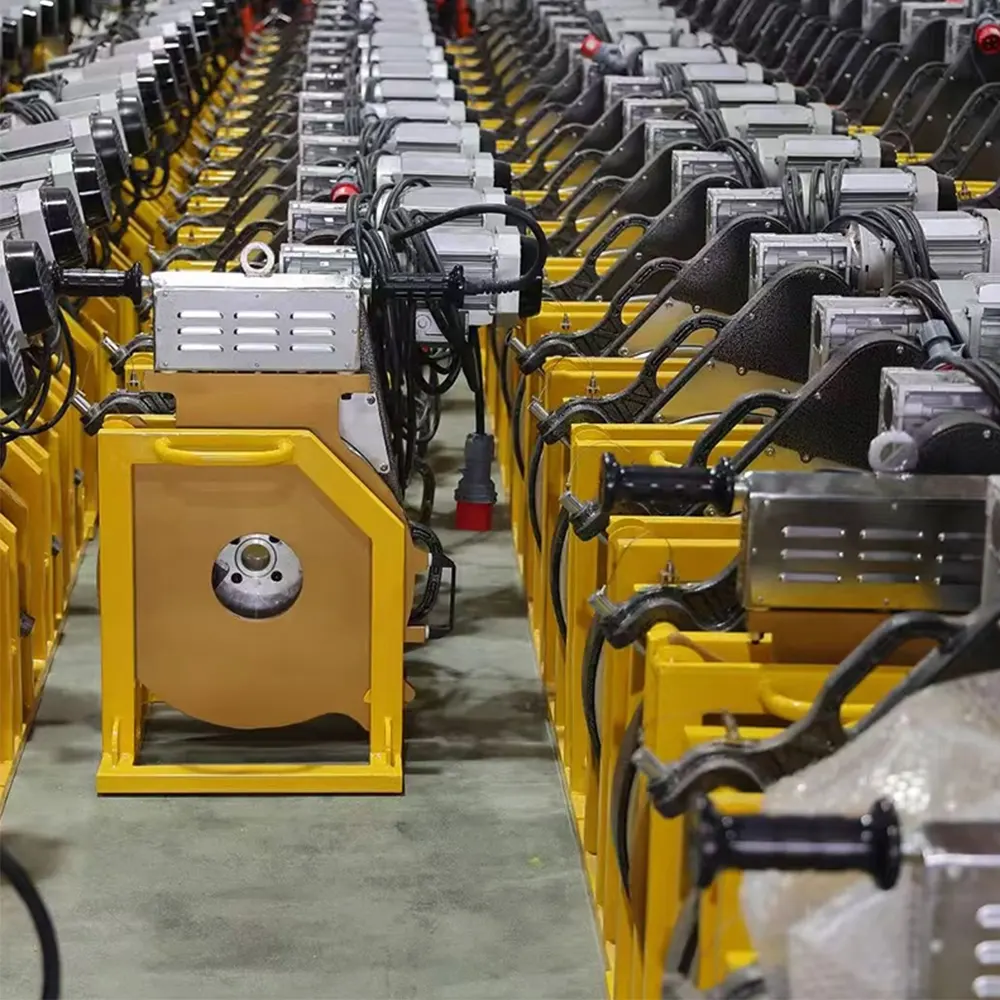
Somalia’s infrastructure projects face unique challenges: hot, dusty environments, remote job sites, irregular power supply, and long transport routes. Engineers, municipal teams, and private contractors need pipe welding machines that combine portability, robustness, and low maintenance. When selecting equipment in Somalia, prioritize machines designed for harsh climates and with accessible spare parts.
Who should read this guide?
Contractors working on water distribution, irrigation developers in agricultural regions, telecom and oil & gas pipeline teams, and procurement managers in Somali municipalities will find practical buying and usage advice here.
Types of pipe welding machines and when to use them
Manual butt fusion machines — Simple, cost-effective, ideal for small-diameter HDPE pipes and low-budget projects. Good for local road-side repairs and small-scale water projects.
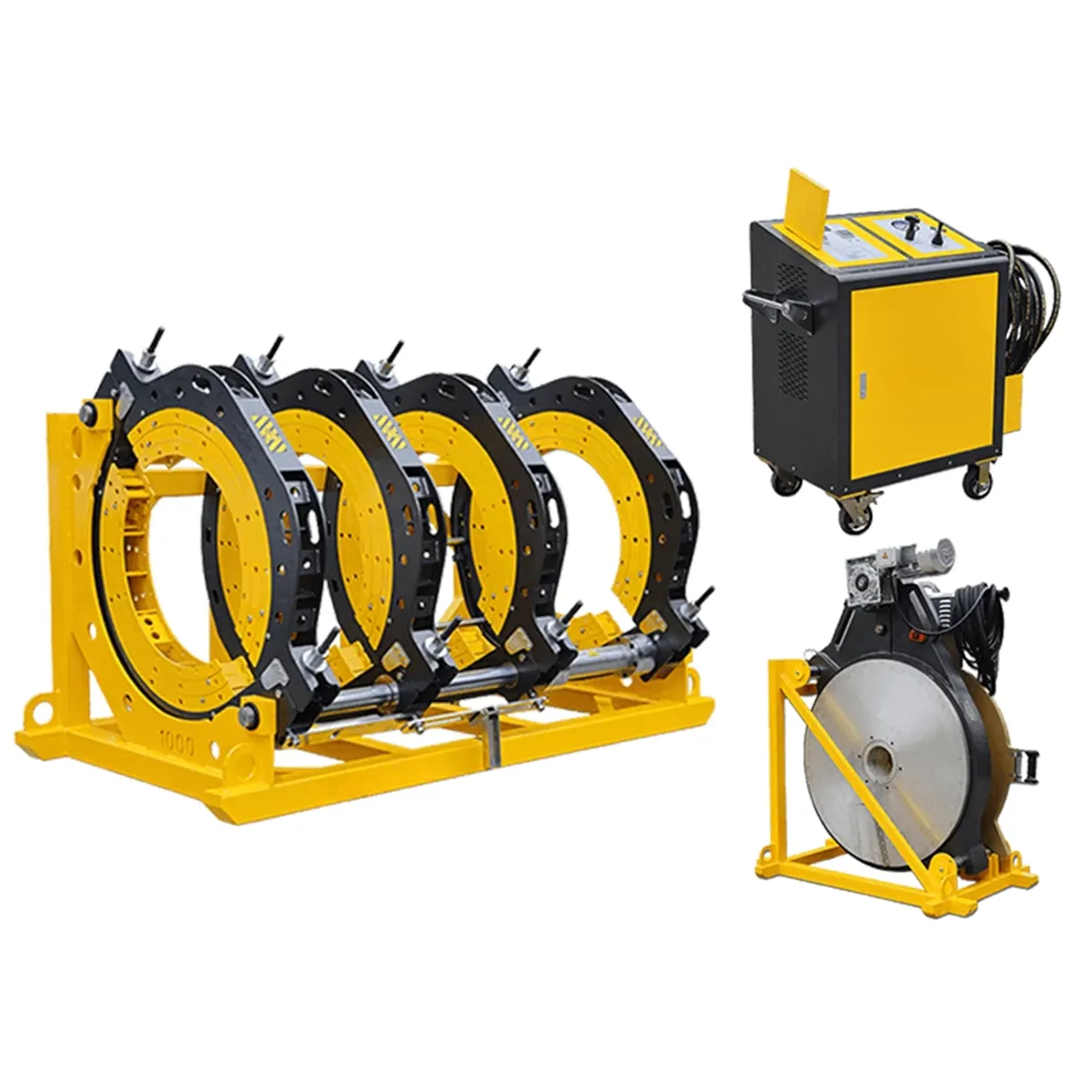
Hydraulic butt fusion machines — Provide higher clamping force and consistent pressure for medium to large diameters, suitable for municipal water supply and larger irrigation mains.
Automatic/CNC butt fusion machines — Offer precise control, traceable parameters, and faster cycles for big infrastructure projects and repeated, high-volume welding tasks.
Electrofusion machines — Best for fittings, repairs, and connections where heat plates are impractical; common for buried service connections and repair kits.
Key features to evaluate
When buying a pipe welding machine for Somalia, inspect these technical and practical features:
-
Clamping and alignment system: Robust clamps and accurate alignment reduce joint defects in dusty field conditions.
-
Heating plate quality: Even heating, durable non-stick coating, and quick warm-up minimize weld failures.
-
Pressure and control accuracy: Digital pressure gauges or automated control systems ensure repeatable weld strength.
-
Power options: Machines that accept generator power, have low electrical draw, or include battery-backed controllers are advantageous in areas with unstable power.
-
Portability and protection: Foldable frames, transport cases, and weather-resistant components help with long-distance site moves.
-
Spare parts and serviceability: Simple modular parts and clear documentation speed up repairs in remote locations.
Quick comparison table
| Machine Type | Best for (Somalia) | Key Advantage |
|---|---|---|
| Manual Butt Fusion | Small water lines, local repairs | Low cost & easy to operate |
| Hydraulic Butt Fusion | District water mains, irrigation | Strong, consistent welds for larger pipes |
| Automatic/CNC | Large projects, repeated production welding | Traceable parameters & high throughput |
| Electrofusion | Fittings, service connections | Easy on-site repairs without heat plates |
Buying guide: questions to ask suppliers
Before purchase, confirm these points with any supplier:
-
Warranty & spare parts availability — How quickly can parts be shipped to Mogadishu or other Somali ports?
-
Power compatibility — Does the machine run on common generator voltages and does it include a battery for controllers?
-
Training and documentation — Is operator training available, and are manuals provided in English (or a local language if needed)?
-
Certifications — Request quality certificates (CE, ISO) and welding procedure validation where applicable.
-
Field support — Will the supplier provide remote troubleshooting or local service contacts in Somalia or nearby countries?
Practical uses of pipe welding machines in Somalia
Typical applications where pipe welding machines deliver value in Somalia:
-
Rural and urban water distribution networks — durable HDPE mains resist corrosion and leaks.
-
Irrigation schemes for agriculture — large-diameter welded HDPE pipes for reliable water delivery.
-
Sewer and drainage systems — fusion joints reduce long-term maintenance in sandy soils.
-
Gas distribution and industrial piping — safe, leak-free welds for regulated gas networks.
-
Temporary and permanent repairs after floods or storm damage — fast field welding for quick restoration.
Shipping, customs and on-site logistics
Arrange delivery to Somali seaports (Mogadishu, Berbera) with clear documentation for customs clearance. Factor in lead times for spare parts and choose machines that tolerate transport vibration and temperature extremes. Consider supplier packaging and local handling capabilities when planning installation.
Maintenance, training and operating tips
To prolong machine life and maintain weld quality in Somalia:
-
Store heater plates and control units in shaded, dry spaces to prevent overheating and dust ingress.
-
Clean clamps and heating surfaces after each workday; protect the machine with covers during idle periods.
-
Keep a small inventory of common spare parts (heating elements, thermocouples, seals) locally.
-
Invest in operator training — proper fusion technique is more important than machine brand when working in the field.
Cost factors to consider
Total cost equals purchase price plus shipping, training, spare parts, and warranty service. For projects in remote Somali regions, prioritize reliability and on-site support over lowest upfront cost to reduce downtime.
Final note
For procurement teams and contractors seeking trusted HDPE pipe welding solutions with international manufacturing standards and global support, consider contacting JQ-Fusion for product options, spare parts, and training programs tailored to projects in Somalia.



