
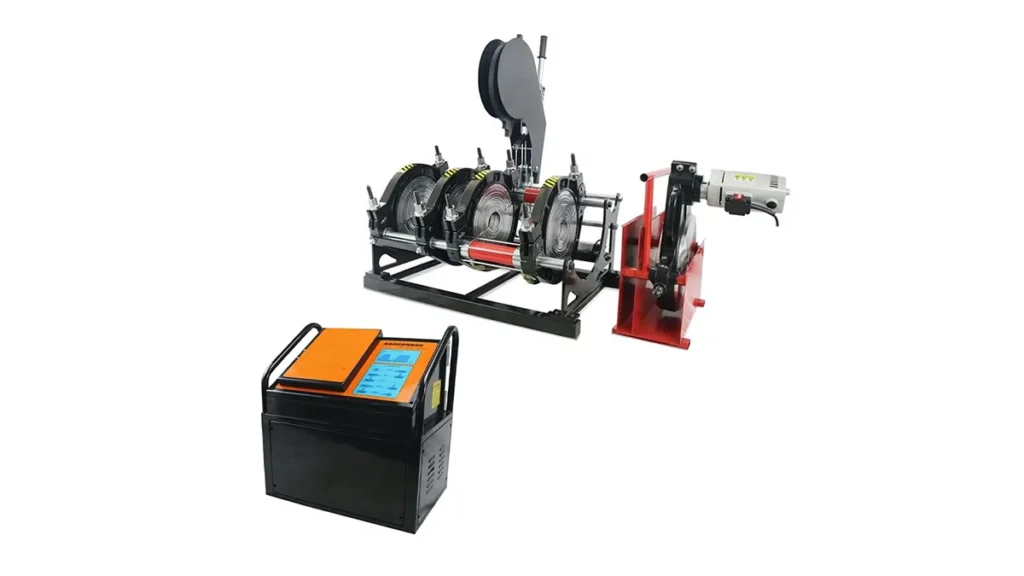
In Egypt’s fast-growing infrastructure sector, reliable pipe welding machines are essential for delivering durable HDPE pipeline networks for water, gas, and industrial projects. Contractors, utilities, and EPC firms across Cairo, Alexandria, the Nile Delta and desert development zones increasingly demand machines that perform in high temperatures, sandy conditions, and remote job sites.
Key Applications for Pipe Welding Machines in Egypt
Butt fusion and electrofusion equipment are widely used across Egyptian projects: municipal drinking water networks, irrigation canals fed from the Nile, gas distribution in new urban districts, mining pipelines in Sinai, and petrochemical plants in the Suez region. Local contractors need machines that combine portability for field work and precision for long-lasting joints.
What Egyptian Buyers Look For
When selecting pipe welding equipment, buyers in Egypt prioritize durability in hot climates, easy maintenance, spare parts availability, and operator-friendly controls that support an Arabic-speaking workforce. Port accessibility for import to Alexandria and Suez, plus on-site training for local technicians, are also major considerations.
Types of Machines and When to Use Them
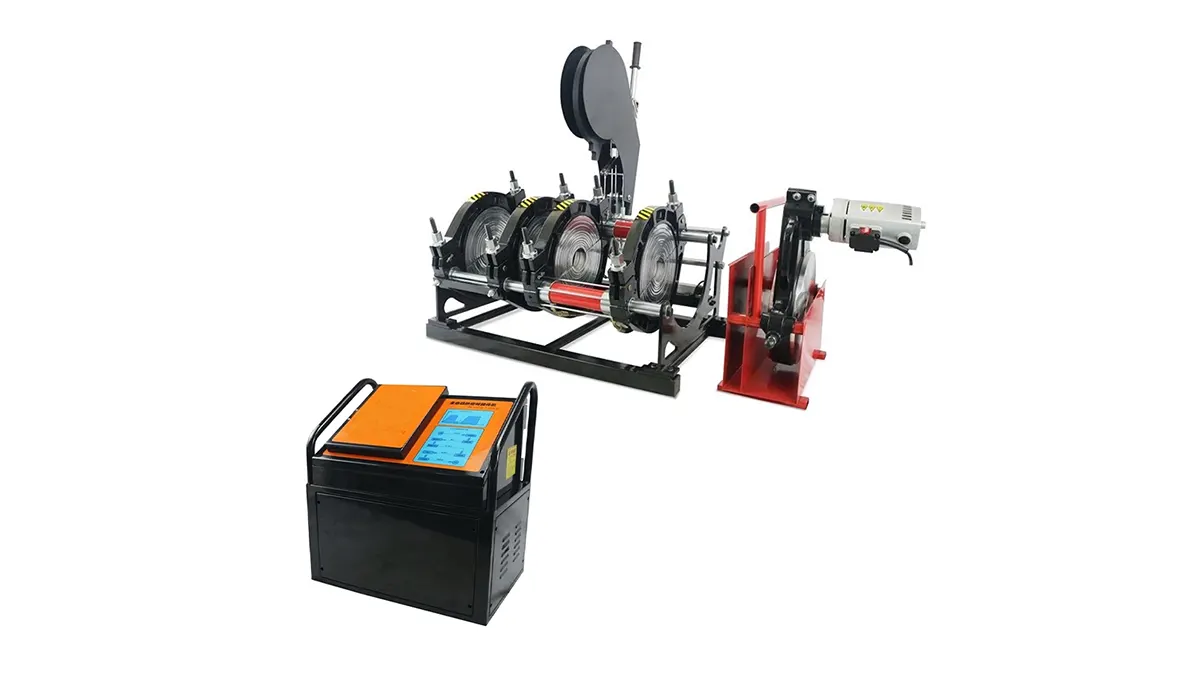
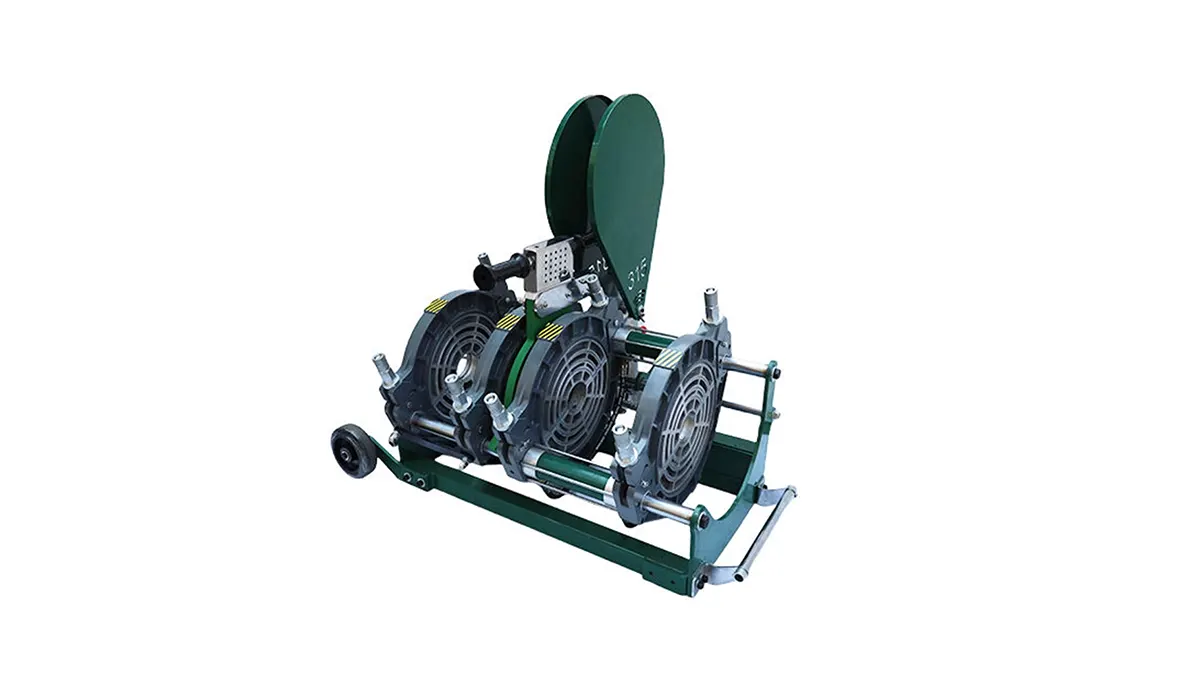
Manual machines are ideal for small-diameter, low-budget works and remote irrigation repairs. Hydraulic units handle medium to large diameters and heavy-duty pipeline construction. CNC automatic butt fusion machines are best for high-precision, large-scale projects where repeatability and data logging are required.
Quick Comparison Table
| Machine Type | Diameter Range | Best For | Key Advantage |
|---|---|---|---|
| Manual Butt Fusion | 20mm – 630mm | Small repairs, farm irrigation | Lightweight, low cost |
| Hydraulic Butt Fusion | 90mm – 2250mm | Municipal & industrial pipelines | High clamping force, robust |
| Automatic / CNC | 160mm – 2000mm+ | Large projects, data logging | Precision, repeatable weld parameters |
Technical Features to Prioritize
Look for machines with corrosion-resistant frames, sealed hydraulic systems that resist sand ingress, and digital control panels capable of storing weld procedures. Heating plates with uniform temperature distribution and accurate facing/trimming tools ensure optimal joint quality even under high ambient temperatures common in Egypt.
Training, Standards and After-Sales
Egyptian contractors benefit from suppliers who offer on-site operator training in Arabic, rapid supply of consumables (heating elements, scrapers) and local service support. Ensure the machines comply with international standards (ISO, relevant ASTM or EN standards) and that the supplier can provide weld procedure documentation for project approvals.
Practical Tips for Operating in Egyptian Conditions
Protect sensitive electronics from dust and thermal extremes, schedule welding during cooler hours for better polymer behavior, and store heating plates and fittings in shaded areas. For desert or coastal sites, choose units with reinforced seals and corrosion-resistant components.
Choosing the Right Supplier
For Egypt-based procurement, evaluate lead time, stock availability at Mediterranean or Red Sea ports, warranty terms, and the supplier’s experience with large infrastructure programs. A reliable manufacturer will also advise on the correct machine sizing and provide technical documentation to support tender requirements. JQ-Fusion offers a range of manual, hydraulic and CNC automatic butt fusion machines tailored to global infrastructure projects.
Final Considerations for Egyptian Projects
Successful pipeline installation in Egypt requires equipment built for local realities: high temperatures, sand exposure, and the need for rapid mobilization across long distances. Prioritize machines that deliver consistent weld quality, straightforward maintenance and strong after-sales support to keep projects on schedule and compliant with local regulations.



