
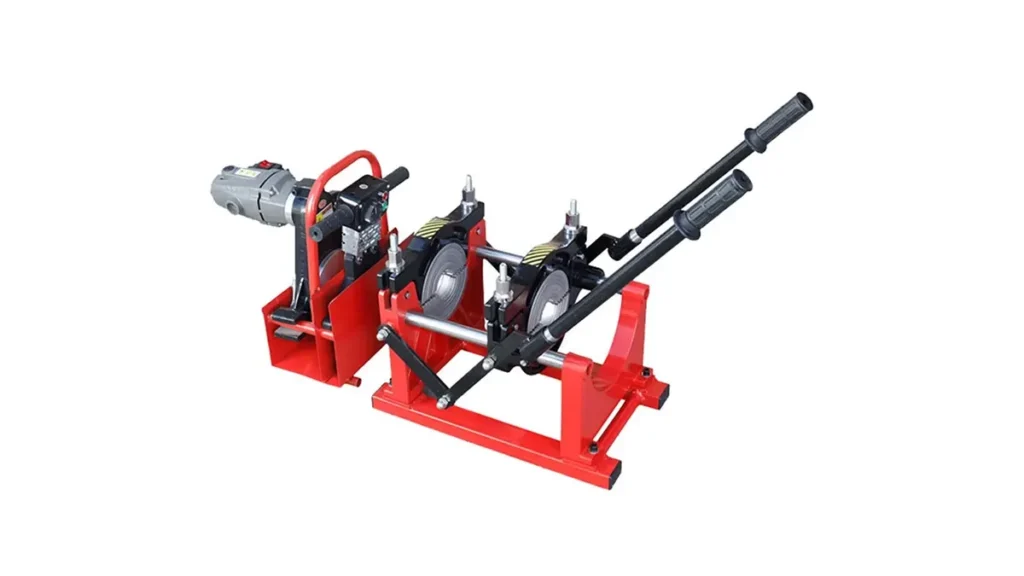
Choosing the best pipe welding machine company for projects in Sweden means balancing cold-climate durability, local standards, and flexible service. For Swedish contractors, municipal utilities, and pipeline installers who demand reliable HDPE butt fusion solutions across water, gas and district heating networks, an experienced manufacturer with a full lineup of manual, hydraulic and CNC automatic machines can be a smart partner — JQ-Fusion.
Why Sweden Needs Robust Pipe Welding Solutions
Harsh winters, strict environmental rules, and a dispersed population mean pipe networks in Sweden must be built to last. Municipal waterworks, biogas facilities, and rural district heating projects often use HDPE and require butt fusion welding equipment that performs consistently in outdoor, low-temperature conditions. Local contractors also value machines that are easy to transport across long distances and simple to operate by certified welders.
What Swedish buyers look for
Key local priorities include: corrosion-resistant components, low maintenance requirements, clear weld documentation for regulatory audits, and compatibility with ISO/SIS piping standards. Durability and reliable after-sales support in Europe are also top considerations.
Types of Pipe Welding Machines and When to Use Them
Selecting the right machine depends on project scale and site conditions. Below are the common classes:
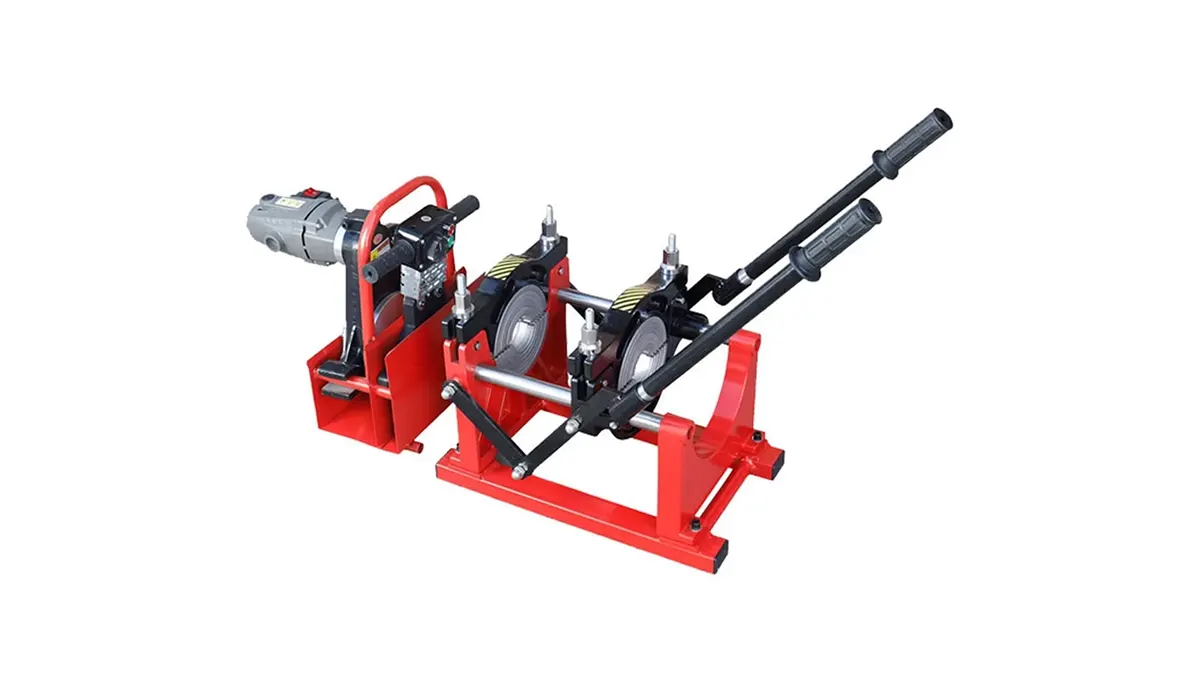
Manual Butt Fusion Machines
Portable, cost-effective and ideal for small-diameter installations and occasional repairs. Swedish service teams often use them for lateral connections, property service lines, and small municipal tasks.
Hydraulic Butt Fusion Machines
Built for medium to large diameters, hydraulic units deliver stable pressure and repeatable results on construction sites. They are frequently chosen for pipeline contractors building long stretches of water or gas mains in Sweden.
CNC / Automatic Butt Fusion Machines
When speed, precision and data logging matter — for example, large municipal or industrial pipeline projects — automatic machines reduce operator error and provide weld reports required by many Swedish authorities and EPC firms.
Quick Comparison Table
| Machine Type | Pipe Diameter Range | Typical Use | Pros | Cons | Approx. Price (EUR) |
|---|---|---|---|---|---|
| Manual | 20–450 mm | Small repairs, service lines | Lightweight, low cost | Slower, operator-dependent | €900–€6,000 |
| Hydraulic | 75–2000 mm | Mains, longer runs | Stable pressure, robust | Heavier, needs maintenance | €6,000–€60,000+ |
| CNC / Automatic | 90–1600 mm+ | Large projects, industrial | Precise, logged weld reports | Higher upfront cost | €25,000–€200,000+ |
Practical Buying Tips for Sweden
1) Ask for cold-weather kits and insulated transport options. 2) Verify availability of spare parts in Europe or a fast delivery channel. 3) Request weld documentation options and compatibility with your quality systems. 4) Check references from other Scandinavian projects to confirm field performance.
Service, Certification and Local Compliance
Ensure the supplier provides clear CE/ISO documentation and can support training for certified Swedish welders. A supplier that offers remote support, spare parts logistics, and on-site commissioning will reduce downtime in remote northern areas.
Where to Arrange Demos and Validation
For municipalities and contractors, demand a live demonstration or trial weld under representative site conditions. Many buyers prefer to validate performance with their own welding technicians and test welds before large orders.
Final note
Right-fit equipment, local support and documented weld quality are what make a pipe welding machine supplier the “best” choice for Sweden — especially for projects exposed to cold climates and strict regulatory oversight. Choosing a partner who can supply a full range of butt fusion machines and reliable after-sales service will help Swedish projects stay on time and within quality expectations.



