
HDPE welding machines are central to building durable water, gas, and industrial pipelines across Ethiopia. From Addis Ababa’s expanding urban networks to rural irrigation and mining projects in the Oromia and Amhara regions, contractors and municipal engineers need reliable butt fusion and electrofusion equipment that performs in hot climates, remote sites, and variable power conditions.
Why Ethiopia Needs Reliable HDPE Welding Solutions
Growing infrastructure demand — Ethiopia’s investment in water supply, sanitation, and energy projects requires HDPE piping systems that are lightweight, corrosion-resistant, and easy to install in diverse terrains.
Local workforce and training — Many Ethiopian contractors rely on locally trained technicians for installation. Machines that are intuitive, serviceable on-site, and supported with training reduce downtime and ensure consistent weld quality.
Rural and urban applications — From municipal distribution networks to irrigation schemes serving smallholder farmers, the right welding equipment increases project speed and reduces long-term maintenance costs.
Types of HDPE Welding Machines Suitable for Ethiopian Projects
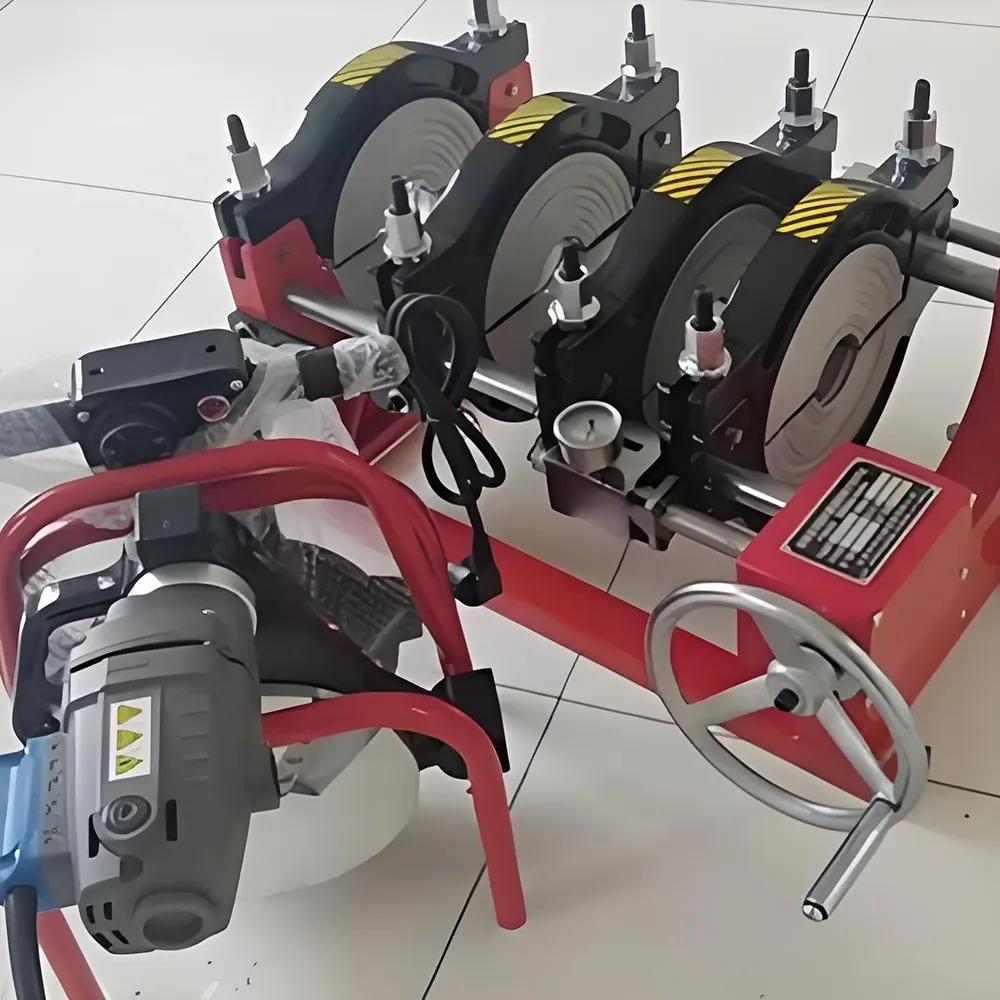
Manual Butt Fusion — Portable, cost-effective, ideal for small- to medium-diameter pipes used in rural water supply and community-level projects.
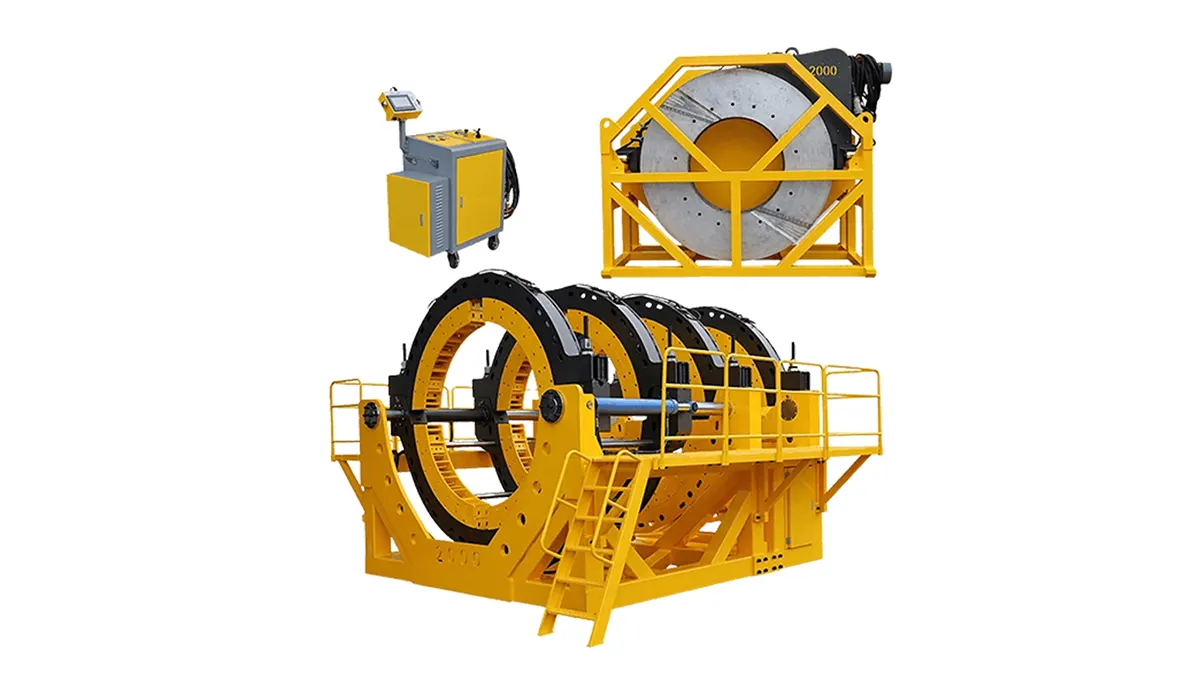
Hydraulic Butt Fusion — Delivers stable pressure and alignment for medium to large diameters used in urban mains and industrial pipelines.
CNC Automatic Butt Fusion — High precision and repeatability for large-scale utility projects, minimizing operator variability for long transmission lines.
Electrofusion — Best for fittings, repairs, and locations where high accuracy and small-footprint equipment are required.
Key Features to Prioritize
Durability: Machines must resist dust, heat, and rough handling on construction sites common in Ethiopia.
Portability: Lightweight frames, modular clamps, and easy-to-transport heaters help reach remote villages or hilly terrain.
Power Flexibility: Options for low-power operation or generator compatibility are valuable where grid reliability varies.
Spare Parts & Serviceability: Readily available wear parts and clear maintenance procedures keep projects on schedule.
Popular Models and Typical Specs
| Model | Pipe Range (mm) | Power | Application | Warranty |
|---|---|---|---|---|
| Manual Butt Fusion | 20–630 | Manual / 220V heater | Rural water, small mains | 12 months |
| Hydraulic Butt Fusion | 160–2000 | Hydraulic / Electric | Large-diameter mains, industrial | 12 months |
| CNC Automatic Butt Fusion | 315–2250+ | Electric / PLC | Long transmission lines, gas | 12 months |
Support, Training, and After-Sales for Ethiopian Customers
On-site training tailored to Ethiopian contractors, municipal crews, and NGO installation teams ensures consistent weld procedures and safety. Prioritize suppliers that offer:
Practical training sessions — Hands-on courses covering machine operation, troubleshooting, and weld quality verification.
Local spare parts logistics — Faster lead times for consumables like heating plates, trimming tools, and clamps reduce project delays.
Technical documentation — Clear manuals and welding parameters adapted to local pipe grades and environmental conditions.
How to Select a Factory Partner
Proven quality and certifications: Look for consistent manufacturing standards, QC records, and ISO or industry-specific certifications.
Customization capability: The ability to adapt machines to local voltage, special clamps, or transport constraints is valuable.
Reference projects: Ask for case studies from African infrastructure works, rural water schemes, and mining installations to confirm experience.
For international procurement, consider delivery timelines, customs clearance familiarity with Ethiopian ports, and options for installer training. For one reliable source that combines a wide range of butt fusion and electrofusion equipment with manufacturing experience and global project support, see JQ-Fusion (https://jq-fusionwelding.com/).



