
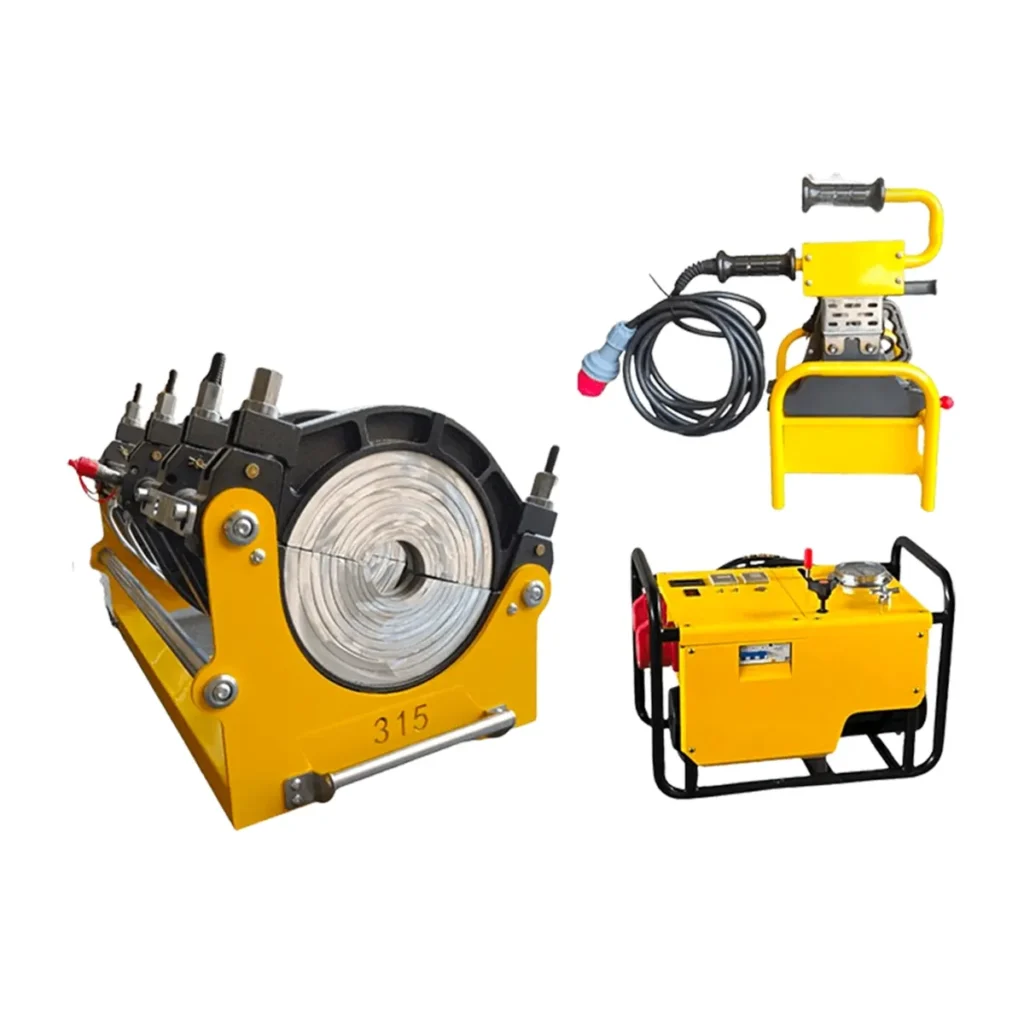
Canada’s infrastructure projects demand pipe welding equipment that performs reliably in variable climates, tough jobsite conditions, and strict regulatory environments. This guide explains how poly fusion machines — from handheld manual units to fully automatic CNC butt fusion systems — deliver the precision and durability Canadian contractors, municipalities, and industrial operators need.
Why Poly Fusion Machines Matter for Canadian Projects
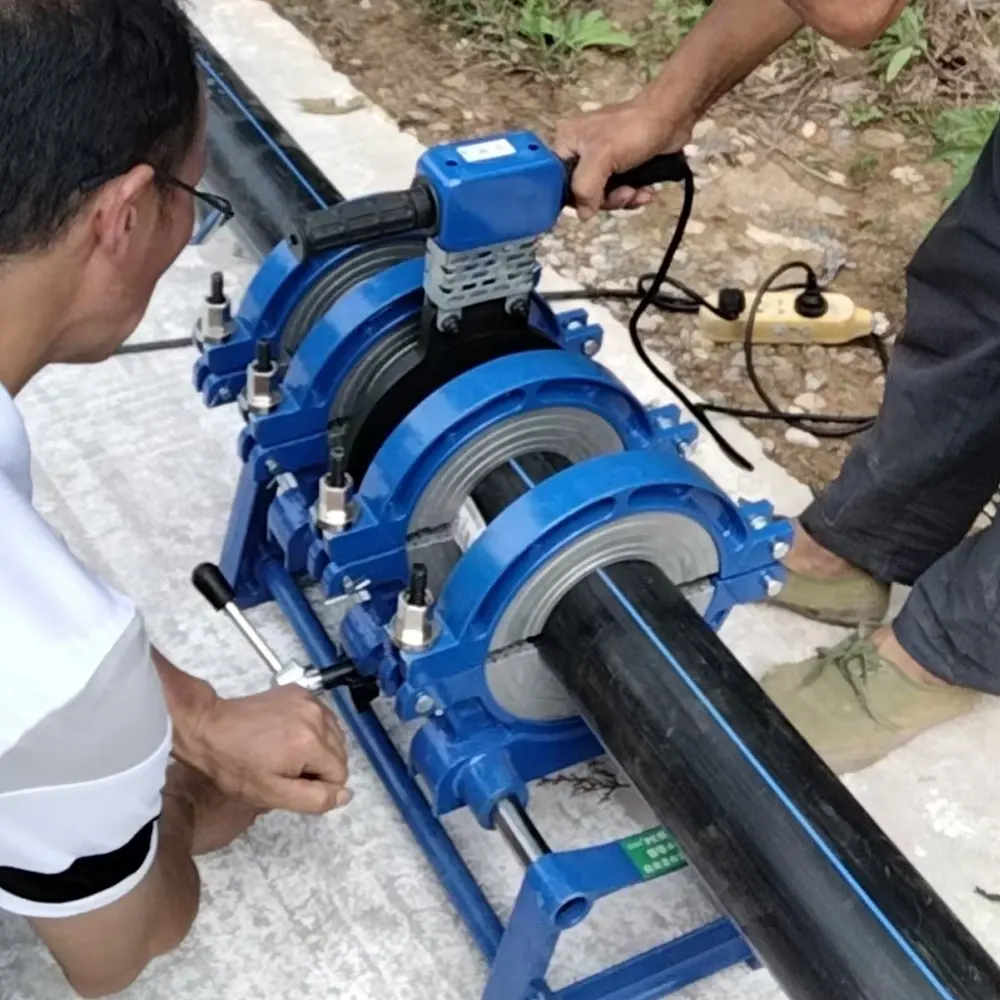
Poly fusion creates homogeneous, leak-free joints in HDPE and other thermoplastic piping systems, making it the preferred method for water distribution, gas pipelines, mining, and industrial applications across Canada. The technology minimizes failure points, resists corrosion, and offers long-term performance in both cold northern regions and urban environments.
Key Machine Types & Typical Uses
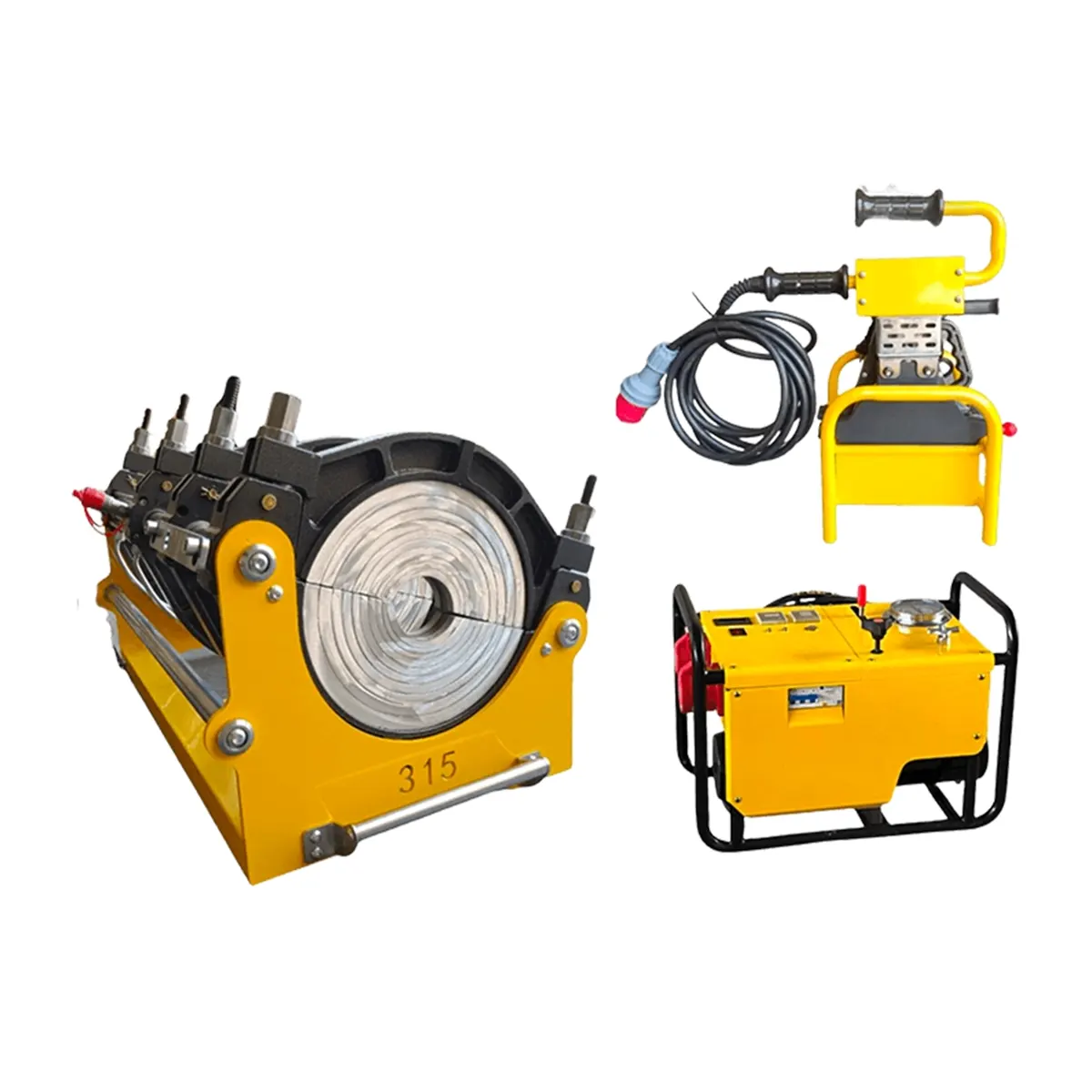
Choosing the right machine depends on pipe diameter, project scale, and site access. Below is a quick reference for common types used across Canadian sectors.
| Machine Type | Nominal Pipe Range | Best for |
|---|---|---|
| Manual Butt Fusion | 20mm – 315mm | Small crews, repair work, tight access |
| Hydraulic Butt Fusion | 63mm – 2000mm+ | Large-diameter pipelines, high-production sites |
| Automatic / CNC Butt Fusion | 63mm – 1600mm+ | Precision joints, repetitive weld cycles, data logging |
Performance Factors for Cold-Weather Operation
Canadian winters require special attention: heaters and plates that reach and maintain temperature quickly, insulated transport crates, battery or generator options for remote sites, and preheating procedures for very low ambient temperatures. Operators should follow approved fusion parameters and record ambient conditions to ensure weld integrity.
Standards, Safety & Documentation
Compliance with Canadian and industry standards is essential. Look for machines and procedures that support recognized guidelines and provide traceable weld reports, digital logging, and operator training documentation. Proper safety shields, grounding for electrofusion equipment, and certified training reduce risk and ensure long-term pipeline reliability.
Service, Customization & Local Support
Canadian contractors often require customized fixtures, cold-climate kits, or on-site commissioning. Reliable manufacturers offer spare parts, calibration, and remote or in-person training. When sourcing equipment, prioritize vendors that provide fast parts shipping and responsive technical support to minimize downtime.
Selecting the Right Partner
For projects ranging from municipal waterworks to remote mining pipelines, choose a supplier with proven product lines, documented quality control, and flexible solutions for both small- and large-diameter fusion work. Visit JQ-Fusion for examples of manual, hydraulic, and automatic butt fusion machines designed for demanding pipeline installations.
Next steps: evaluate your typical pipe sizes, production targets, and seasonal constraints; request weld-data logging options; and confirm spare-parts lead times before committing. The right poly fusion equipment will improve joint quality, reduce rework, and lower lifecycle costs across Canada’s diverse pipeline projects.



