
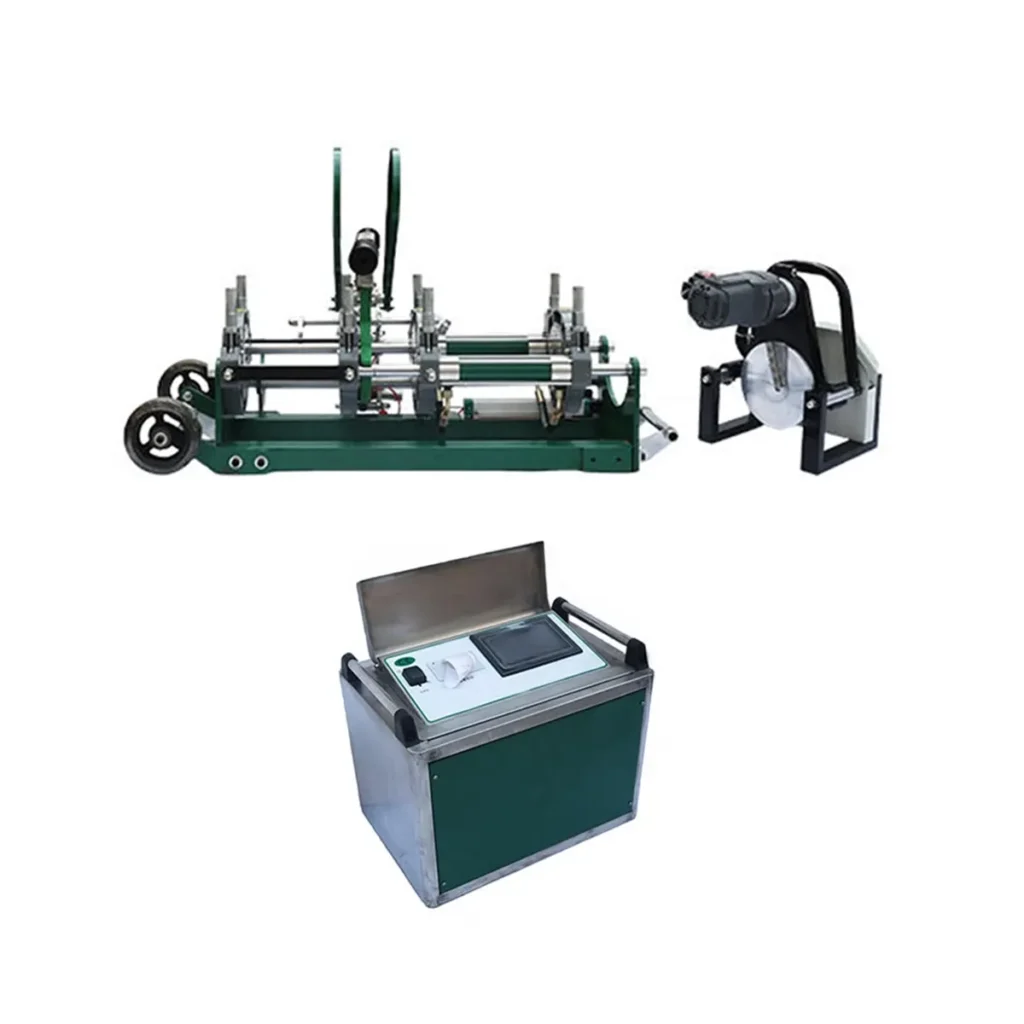
Choosing the best plastic pipe welder maker in Brunei is a critical step for contractors, municipal teams, and oil & gas service providers who need reliable HDPE butt fusion and electrofusion solutions. Tropical weather, remote village (kampung) access, and local project types — from water distribution upgrades to onshore pipeline repairs — all influence which manufacturer and model will deliver the best lifetime performance.
Understand Brunei-specific needs
Climate and corrosion: High humidity and salty coastal air in Brunei demand equipment with corrosion-resistant finishes and well-sealed electrical components.
Project types: Municipal water networks, small-diameter service lines to rural communities, and onshore oil & gas utility lines require different welding capacity — from portable manual units to heavy-duty hydraulic or automatic machines for large-diameter pipes.
Site access & logistics: Many job sites are near the coast or in remote areas; portability, easy packing for sea/road transport to Muara Port, and straightforward on-site setup shorten downtime.
Key technical criteria to compare
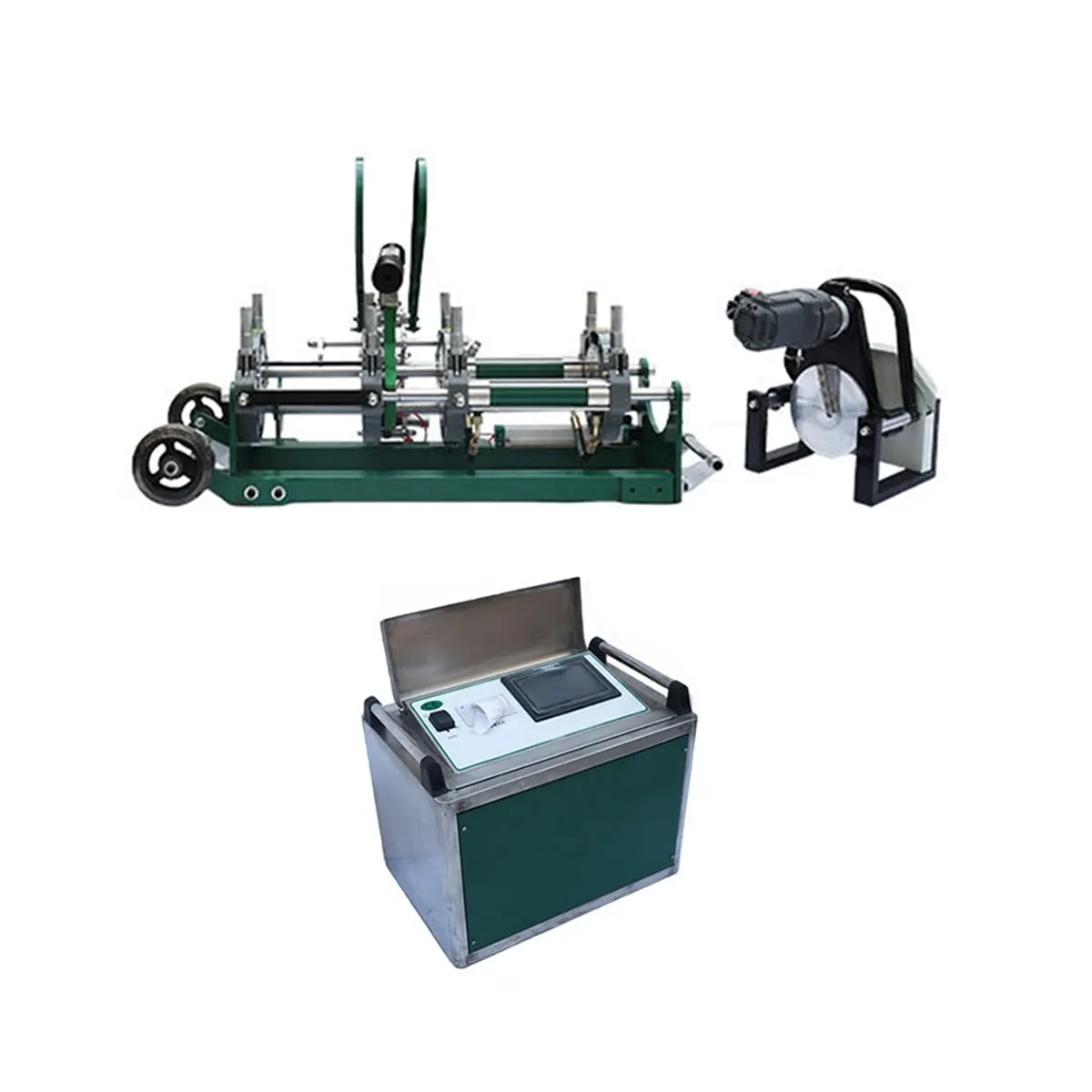
Machine type: Decide between manual (budget-friendly and portable), hydraulic (stable for mid to large diameter), and CNC automatic (precision and data logging for repetitive, large projects).
Pipe diameter & material range: Match the machine’s capacity to the pipes you commonly weld (e.g., PE80/PE100, HDPE). Ensure the maker lists tested pipe ranges and offers adapter kits for multiple diameters.
Power and controls: Brunei uses 230–240V 50Hz supplies in most locations — confirm the welder’s power requirements and options for generator operation. For high-volume projects, look for digital temperature control and programmable cycles.
Heating plate and clamps: Quality heating plates with even temperature distribution and robust clamp systems reduce rework. Seek manufacturers that offer replaceable plates and spare clamp elements.
Quick comparison table: Manual vs Hydraulic vs Automatic
| Type | Best For | Typical Pipe Range | Pros | Cons |
|---|---|---|---|---|
| Manual | Small sites, service lines | 20mm–160mm | Lightweight, low cost, easy transport | Operator skill dependent |
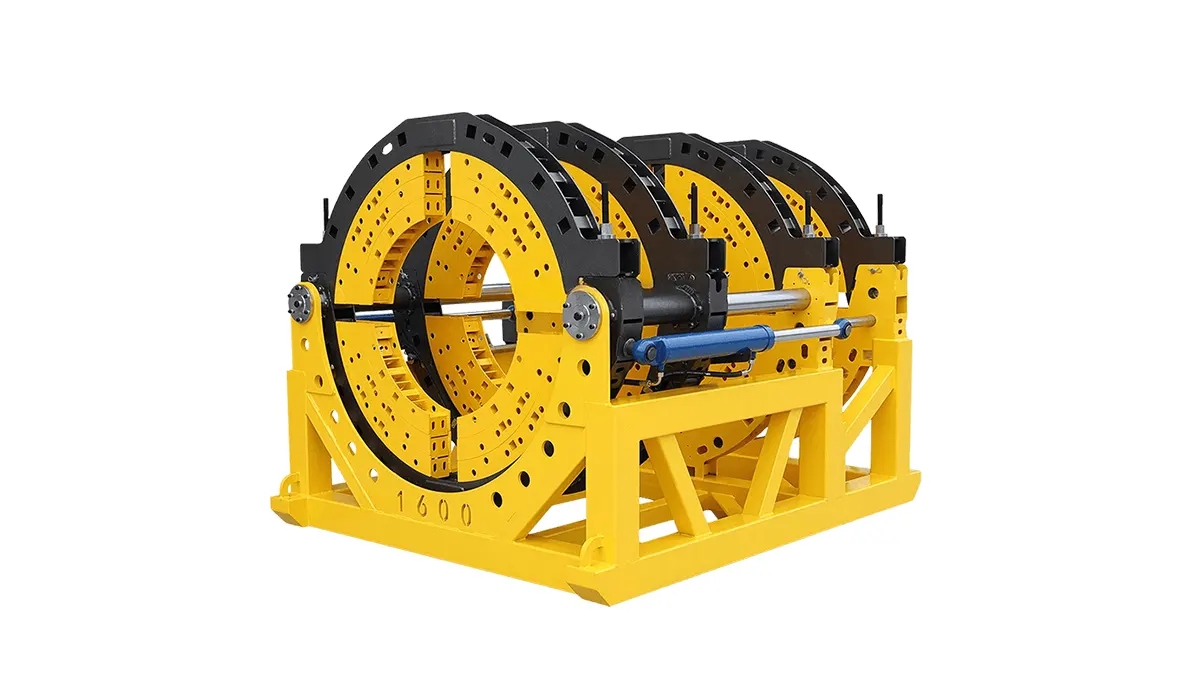
| Hydraulic | Construction & medium projects | 90mm–1200mm+ | Consistent pressure, rugged for field use | Heavier, needs lifting/transport |
| Automatic (CNC) | Large pipelines, repetitive welds | 160mm–2000mm+ | Precise control, data logging, saves labour | Higher initial cost, needs trained operators |
Certifications, testing & quality assurance
Prioritize manufacturers who can provide clear quality documentation: material traceability, machine calibration records, and independent welding test reports. Equipment built and tested to international welding standards reduces regulatory hurdles for Brunei utilities and contractors.
After-sales support, spare parts & training in Brunei
Reliable local or regional support shortens repair times. Look for vendors offering spare parts kits, remote diagnostics, on-site training in English (and Malay where helpful), and clear warranty terms. For Brunei projects, fast shipping to Muara Port and customs-friendly documentation are practical must-haves.
Cost considerations and lifecycle value
Evaluate total cost of ownership: machine price, consumables (heating plates, cutter blades), spare parts availability, energy consumption, and expected service intervals. A slightly higher-capacity, well-supported machine often pays back through reduced downtime and fewer failed welds.
How to evaluate a manufacturer before purchase
Request factory photos, ISO or equivalent certifications, sample weld reports, and references from Southeast Asia projects. If possible arrange a demonstration or ask for a short on-site trial. Check lead times, packaging for sea freight, and whether the maker offers operator training and commissioning.
For a reliable option covering manual, hydraulic, and automatic butt fusion machines — plus global project experience and customizable solutions — consider contacting JQ-Fusion: https://jq-fusionwelding.com/
Next steps for Brunei buyers
Make a shortlist of 2–3 machines that match your pipe size and site conditions, verify spare parts & local support, and schedule a demo or remote Q&A with the manufacturer. Prioritize equipment that balances portability, durability in tropical conditions, and clear after-sales service to keep Brunei projects on schedule.



