
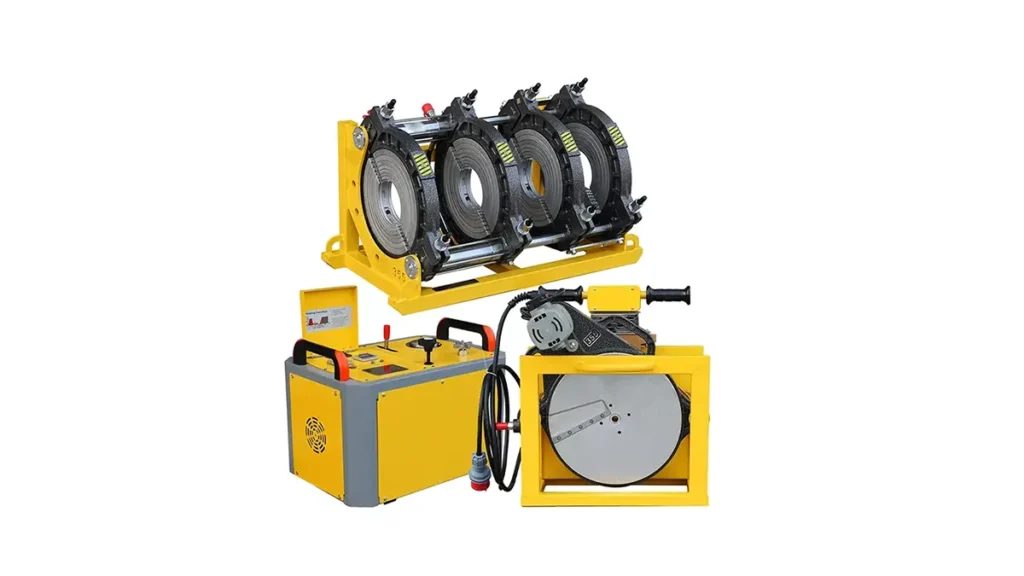
Belgian contractors, municipal engineers, and infrastructure wholesalers looking for reliable poly pipe fusion equipment demand robust performance, fast delivery, and compliance with European standards. This guide helps buyers in Belgium evaluate wholesalers of butt fusion and electrofusion machines, compare popular models, and understand local project needs—from urban water networks in Antwerp to rural drainage systems in Wallonia.
Why choose a local poly pipe fusion machine wholesaler in Belgium?
Working with a wholesaler that understands Belgian infrastructure requirements reduces risk and accelerates project timelines. Local wholesalers often provide:
- Faster lead times for popular models and spare parts;
- Technical advice tuned to EU regulations and national pipeline codes;
- On-site training and warranty support across Flanders and Wallonia.
Choose suppliers who can back equipment with traceability, calibration records, and CE conformity documentation for peace of mind on public works and contractor bids.
Key machine types and what they deliver
Belgian projects span from small-diameter service lines to large-diameter industrial pipelines. Wholesalers should stock a mix of:
- Manual butt fusion machines for small-diameter, low-cost repairs and rural installations;
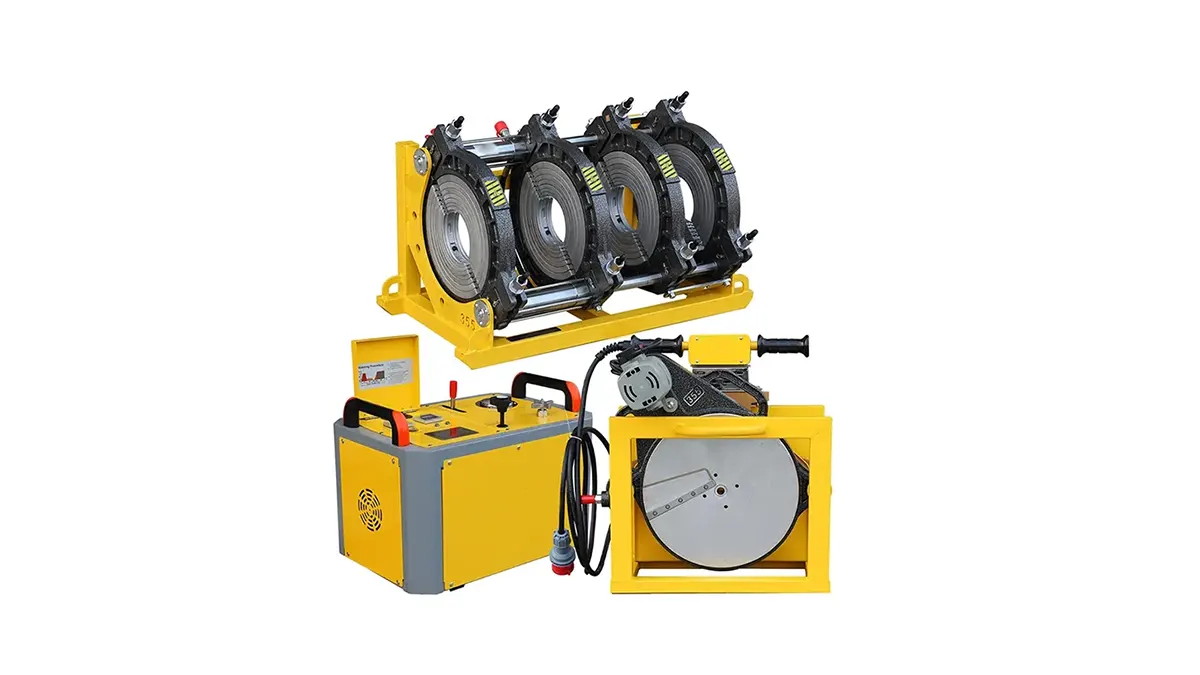
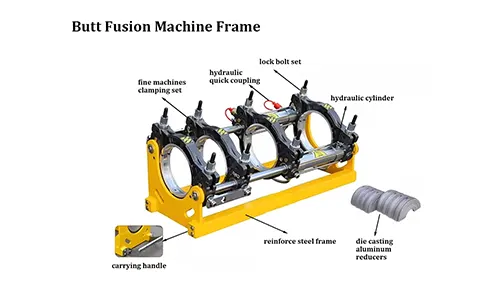
- Hydraulic butt fusion units for consistent pressure and larger-diameter mains;
- Automatic/CNC fusion systems for high-volume contractor fleets and factory assembly lines;
- Electrofusion equipment for fittings and complex network joints.
Model comparison at a glance
| Model | Type | Pipe Diameter (mm) | Best for | Key feature |
|---|---|---|---|---|
| JQH160 | Hydraulic | 20–160 | Service connections, small mains | Portable, quick setup |
| JQH355 | Hydraulic | 160–355 | Municipal water & gas | High clamping force |
| JQA250 | Automatic | 63–250 | Contractor fleets | CNC control for repeatable welds |
| Electrofusion Units | Electrofusion | 20–1600 (fittings) | Service boxes & complex joints | Digital control with logging |
Applications tailored to Belgian conditions
In Belgium, dense urban networks and an emphasis on sustainable water management make HDPE fusion technology especially relevant. Typical applications include:
- Potable water distribution lines in cities like Brussels and Ghent;
- Renewable gas and biogas pipelines for regional energy projects;
- Agricultural drainage and irrigation systems in Flemish rural areas;
- Industrial and mining water systems requiring corrosion-resistant piping.
Wholesalers should be able to recommend machines and accessories that perform reliably in Belgium’s temperate climate, handle frequent trenching operations, and meet EU procurement standards.
How to evaluate a wholesaler
When selecting a supplier, verify these essentials:
- Inventory depth — can they supply machines, heating plates, and clamps quickly?
- Spare parts and consumables availability in the EU to avoid long downtimes;
- Technical support language options (Dutch, French, English) and local service partners;
- Training offerings and documentation for certified welding procedures;
- Compliance paperwork (CE, material certificates) and welding logs for audits.
Ordering, delivery and after-sales in Belgium
Lead times vary by model and customization; many Belgian buyers prefer wholesalers who maintain EU stock to shorten delivery. Confirm warranty terms, on-site commissioning support, and an accessible spare-parts supply chain. For machine demonstrations, request a local test or video walk-through before purchase.
To explore industrial and contractor-grade butt fusion and electrofusion equipment, visit JQ-Fusion for model details, specifications, and local distribution options in Belgium.



