
Electrofusion welding is a trusted method for joining HDPE pipes across Moldova’s diverse infrastructure projects — from urban water networks in Chișinău to irrigation and gas distribution in rural districts. Choosing the right electrofusion machine ensures consistent joints, minimizes rework, and supports long-term pipeline reliability under Moldova’s seasonal temperature swings.
Why Electrofusion Is Ideal for Moldovan Projects
Electrofusion offers clean, reliable, and repeatable welds that are especially valuable in Moldova where pipeline networks often cross mixed terrain and remote areas. The process reduces the need for consumables, lowers onsite labor complexity, and produces joints that resist corrosion and ground movement. For municipal utilities, contractors, and agricultural cooperatives, these benefits translate to fewer service interruptions and lower lifecycle costs.
Key Features to Look For
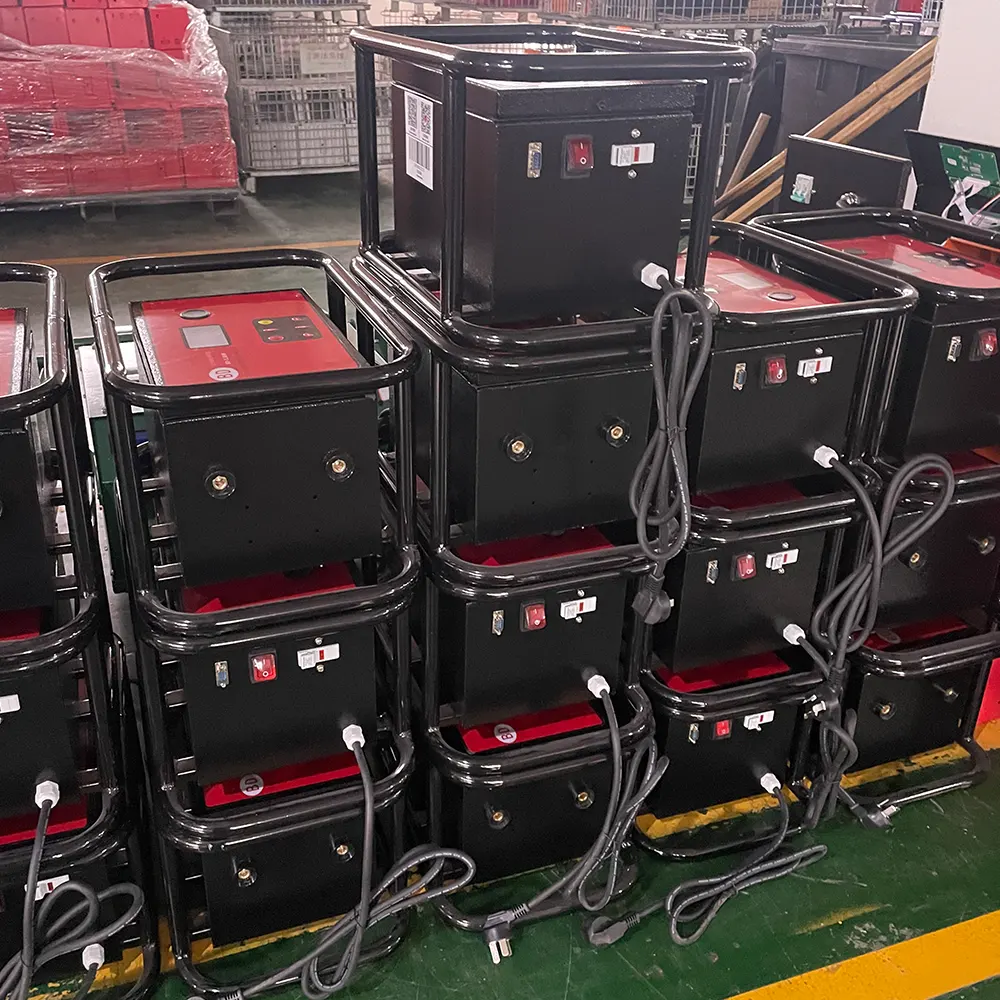
Precision controls: digital interfaces with stored weld programs for different couplers and ambient conditions. Robust power management: stable output even in variable supply conditions common at remote Moldovan sites. Durable housing and portable design: for daily transport between rural and urban jobsites.
Performance Factors for Moldova’s Climate
Moldova experiences cold winters and warm summers — systems should have temperature compensation and pre-heating programs that maintain joint quality at low temperatures. Mobility and quick-start capability are vital for emergency repairs on gas or water mains during freeze-thaw cycles.
Practical Applications Across Sectors
Electrofusion machines are widely used for:
– Potable water distribution networks in cities and villages
– Natural gas distribution lines and service connections
– Agricultural irrigation systems and drainage networks
– Industrial process pipelines where chemical resistance and leak-free joints are critical
What Contractors in Moldova Should Ask Suppliers
When evaluating machines, request clear information on warranty terms, spare parts availability, training programs for operators, and local support or fast shipping options. Ask for weld log export capabilities to simplify quality records for regulatory compliance and project documentation.
Quick Comparison — Common Electrofusion Types
| Type | Pipe Range | Power | Best For |
|---|---|---|---|
| Portable Electrofusion Unit | 20–110 mm | Battery / 230V | Service repairs, fieldwork |
| Bench/Workshop Machine | Up to 160 mm | Single-phase | Prefabrication, training |
| High-Power Industrial Unit | 160–630 mm+ | Three-phase | Large diameter mains, contractors |
Installation & Training Tips
Prioritize hands-on training that covers good preparation practices: pipe cleaning, alignment checks, clamp calibration, and understanding manufacturer weld charts. For municipal teams and private contractors alike, maintaining a small kit of spare fittings and a calibration log will reduce downtime.
Company Information
JQ-Fusion is a manufacturer specializing in HDPE pipe welding machines and supplies equipment suited for both small-scale repairs and large infrastructure projects.
Final Considerations for Buyers in Moldova
Choose machines with clear documentation, accessible spare parts, and training options — and ensure the selected equipment supports your project scale, local climate conditions, and compliance needs. Investing in reliable electrofusion equipment upfront will save costs, reduce leaks, and improve network longevity across Moldova’s urban and rural systems.



