
As Nigeria expands its infrastructure — from municipal water networks in Lagos and Abuja to rural irrigation and gas distribution in the Niger Delta — robust HDPE pipe welding solutions are essential for reliable, leak-free pipelines. Proper butt fusion and electrofusion equipment increases project speed, reduces maintenance costs, and ensures long-term performance in hot, humid, and remote conditions.
Why HDPE Welding Matters in Nigeria
HDPE piping is increasingly chosen across Nigeria for its corrosion resistance, flexibility, and long service life. For communities and contractors, effective welding equipment delivers:
Durability — secure joints that resist aggressive soils and saline environments common along coastal areas.
Cost-efficiency — fewer repairs and lower lifecycle costs for water supply, gas networks, and mining operations.
Rapid deployment — field-portable machines speed up installation in remote construction sites and seasonal projects.
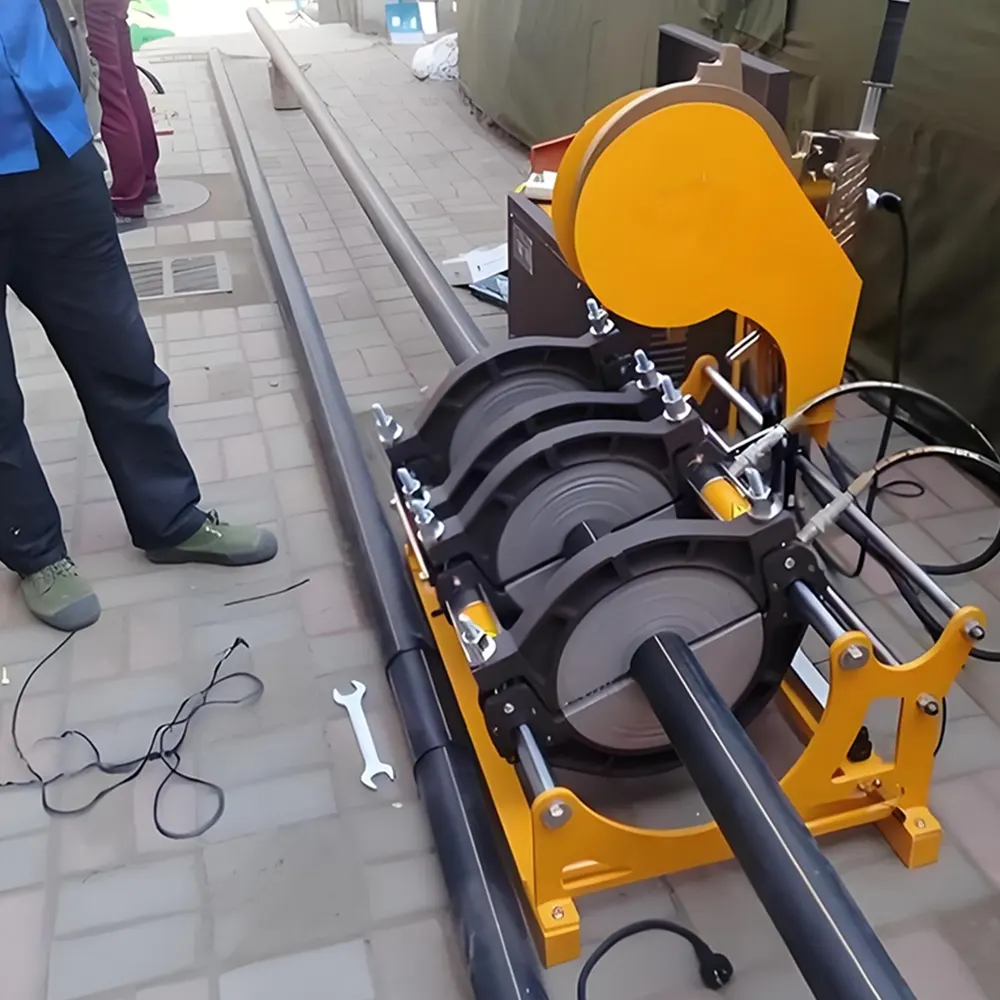
Key Types of Welding Equipment for Nigerian Projects
Manual Butt Fusion — simple, affordable, and ideal for small-diameter pipelines and local crews learning fusion techniques.
Hydraulic Butt Fusion — higher clamping force and consistent pressure for medium to large diameters used in municipal and industrial lines.
Automatic / CNC Butt Fusion — precision control for repetitive, large-scale projects such as major water mains or high-volume gas pipelines.
Electrofusion Units — ideal for repair work, fittings, and controlled joints where no external heater is practical.
Selecting the Right Machine for Site Conditions
Choosing welding equipment for Nigeria requires balancing pipe size, site power availability, transport logistics, and operator training. Consider machines that offer:
Portability for rural or hard-to-reach sites, robust frames for dusty and sandy environments, and reliable control systems that perform under high ambient temperatures.
| Machine Type | Pipe Range | Ideal Use Case | Portability |
|---|---|---|---|
| Manual Butt Fusion | 20–160 mm | Village water, small repairs | High |
| Hydraulic Butt Fusion | 160–1200 mm | Municipal mains, gas | Medium |
| Automatic / CNC | 63–2000+ mm | Large pipelines, industrial projects | Low to Medium |
| Electrofusion | 20–630 mm | Jointing fittings, repairs | High |
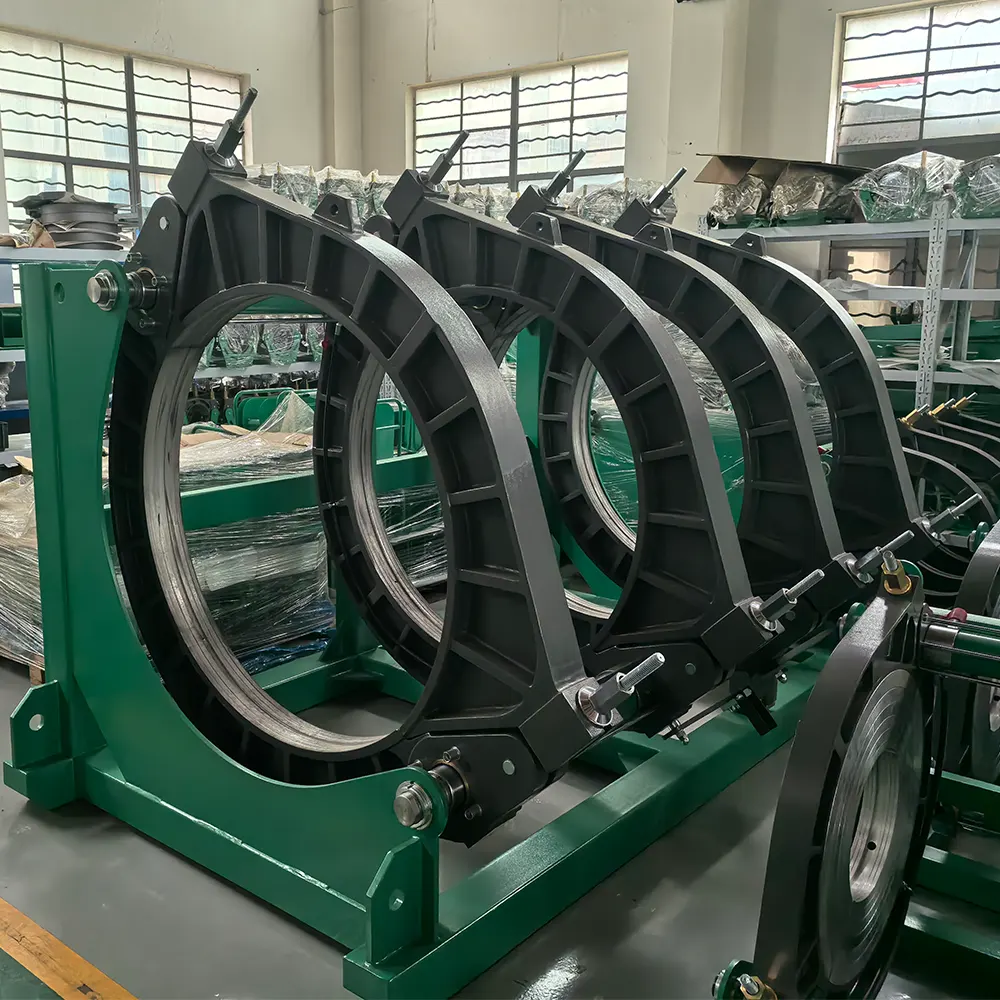
Installation & Field Best Practices for Nigerian Sites
To maximize weld quality under Nigerian field conditions:
• Prepare a clean, level work area to avoid contamination from sand and dust.
• Protect heaters and control units from direct sun and overheating; use shaded canopies for midday work.
• Ensure power sources are stable—use generators with voltage regulation when mains power is unreliable.
• Organize a simple QA checklist: bead inspection, alignment, pressure hold time, and cooling period before lifting.
Spare Parts, Training & Manufacturer Support
Reliable after-sales support is critical. Choose equipment backed by accessible spare parts, local training programs, and technical documentation. For manufacturing partners, look for those with experience supplying to global infrastructure jobs and the ability to offer tailored kits, training, and fast replacement components. JQ-Fusion offers a broad range of manual, hydraulic, and automatic butt fusion machines designed for varied project scales and climates, with options for customization and support.
Quick Checklist to Start Your Pipe Fusion Project in Nigeria
1. Define pipeline scope: diameter range, material grade, and pressure class.
2. Select machines matching pipe range and site logistics (portable vs high-capacity).
3. Arrange power, lifting gear, and shaded workstations for hot-weather operations.
4. Train welders on local welding codes and QA procedures; schedule on-site supervision for first joints.
5. Secure spare heating elements, clamps, and electronics to reduce downtime.
For equipment specs, availability, and tailored fusion packages for Nigerian projects visit: https://jq-fusionwelding.com/



