
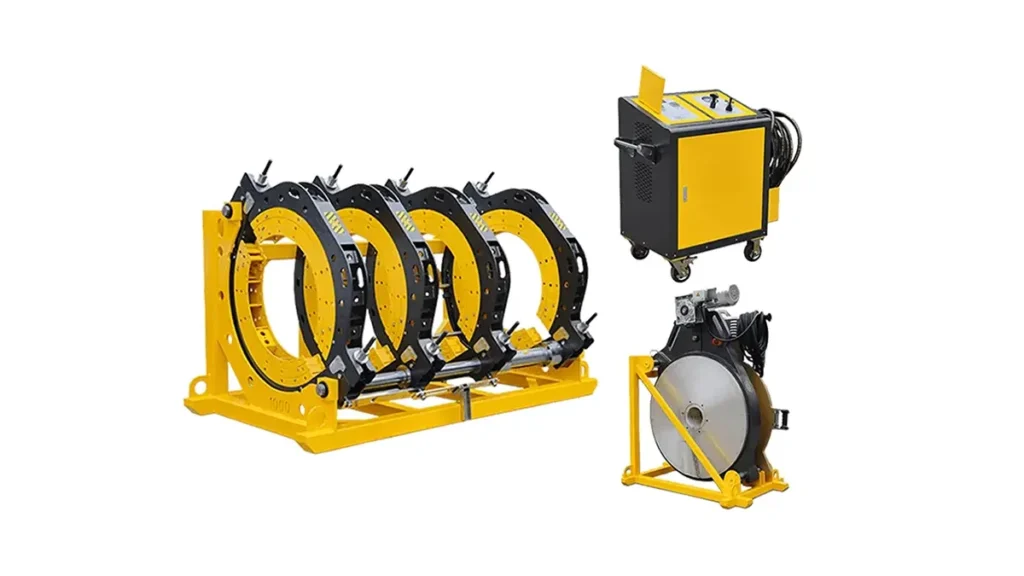
Delivering dependable welding solutions for gas distribution and pipeline infrastructure in Palestine demands equipment that balances precision, portability, and durability. This guide explains why selecting the right gas line welder—especially HDPE butt fusion and electrofusion machines—matters for local contractors, municipal utilities, and NGO-driven infrastructure projects across diverse Palestinian environments.
Why HDPE Butt Fusion is Preferred for Gas Pipelines in Palestine
HDPE piping has become a top choice for gas distribution due to corrosion resistance, flexibility for uneven terrain, and long service life. In Palestine, where projects range from urban replacements in Nablus and Ramallah to remote installations in rural communities, butt fusion welding ensures leak-free joints and consistent pressure performance. Its suitability for varied pipe diameters and mechanical robustness makes it ideal for local utility standards and long-term reliability.
Key Benefits for Palestinian Pipeline Projects
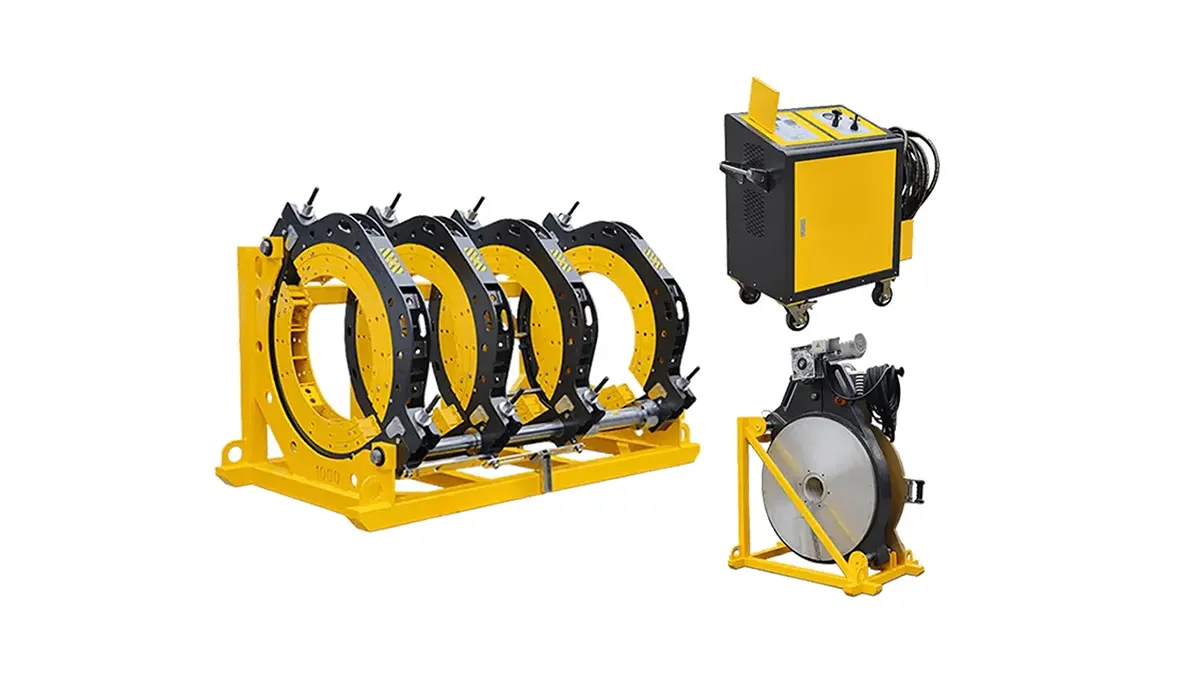
Durability: HDPE joints resist soil chemistry and moisture common in coastal and hill regions. Mobility: Many hydraulic and manual welders are designed for constrained streets and narrow access points—important for work near refugee camps and dense urban neighborhoods. Cost-effectiveness: Lower lifecycle costs than metal piping, plus simplified maintenance for local crews.
Types of Welders and Typical Use Cases
Manual Welders: Compact and suitable for small-diameter repairs and remote jobs where power sources are limited. Hydraulic Welders: Preferred for medium to large diameters and for achieving consistent pressure in repeated weld cycles. CNC Automatic Welders: Best for high-volume or precision-sensitive installations such as large distribution mains or industrial gas feeders.
Selecting the Right Machine Parameters
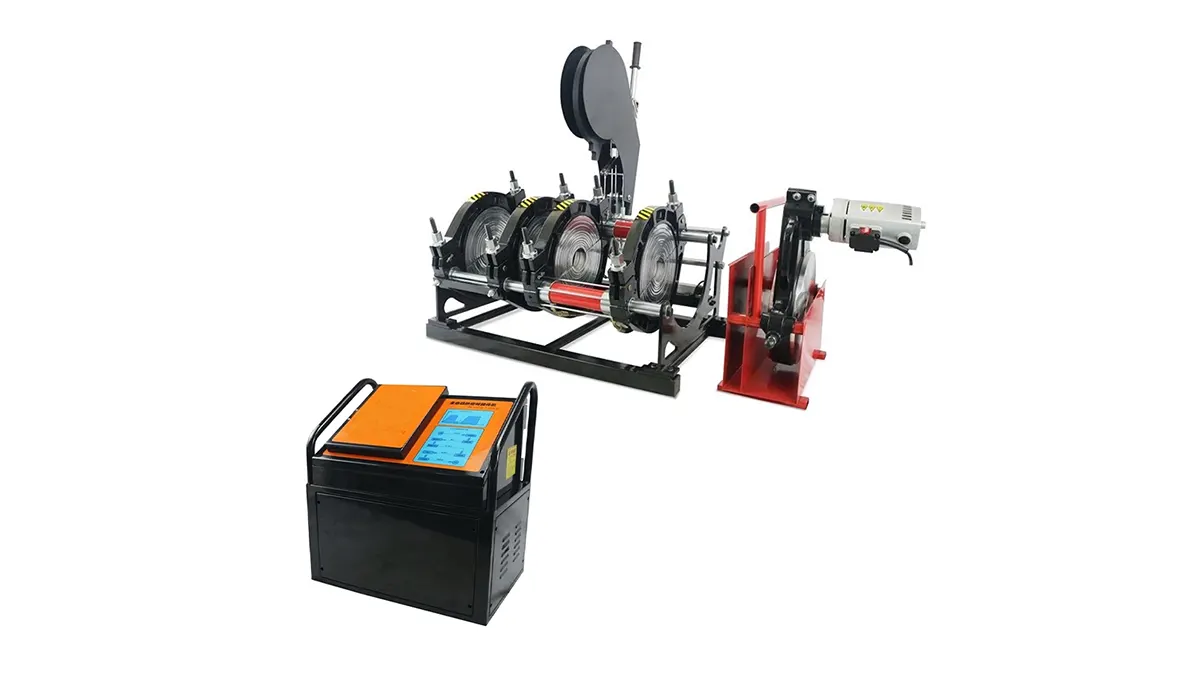
When choosing a welder for a Palestine-based gas project, pay attention to clamping range, hydraulic pressure capacity, control accuracy, and portability. Consider local factors like access roads, project scale, and available technician skill level. Machines with clear weld logging and simple interfaces reduce training time and improve QA compliance on-site.
Quick Comparison Table
| Machine Type | Best For | Typical Pipe Range |
|---|---|---|
| Manual Butt Fusion | Small repairs, remote sites | 20mm – 200mm |
| Hydraulic Butt Fusion | Routine mains, fieldwork | 63mm – 1250mm |
| CNC Automatic Butt Fusion | High-precision, large-diameter projects | 160mm – 2250mm+ |
Safety, Standards, and Training Considerations
Gas pipeline work carries high safety demands. Ensure welders comply with international standards (ISO/EN) and that operators receive practical training on fusion parameters and pressure testing. For Palestinian contractors, offering certified training and clear QA documentation helps secure municipal approvals and donor-funded contracts.
Maintenance and Spare Parts Support
Reliable after-sales support reduces downtime. Choose equipment with accessible spare parts and local-service guidance. Regular calibration of heaters and pressure systems, plus routine greasing of hydraulic components, extends machine life—critical for long campaigns in varied climates across Palestine.
How Local Contractors Can Maximize Value
Plan procurement to match project phases: portable manual units for emergency repairs, hydraulic sets for distribution upgrades, and an automatic machine for centralized fabrication yards. Keep a simple QA checklist for weld records and pressure tests to demonstrate long-term integrity to stakeholders.
Where to Learn More
For detailed model specifications, training programs, and global delivery options, visit JQ-Fusion at https://jq-fusionwelding.com/ to explore machine ranges and documentation tailored for pipeline projects.



