
Thailand’s rapid infrastructure growth — from urban waterworks in Bangkok to irrigation networks in the Central Plains and gas pipelines across industrial zones — demands reliable, high-performance HDPE pipe welding solutions. Choosing the right HDPE pipe fusion machine ensures long-lasting joints, fast installation and minimal maintenance in tropical climates where corrosion resistance and flexibility are critical.
Why HDPE Butt Fusion Works for Thailand
Durability: HDPE joints made by butt fusion produce homogeneous, leak-free connections that perform well in humid, saline and high-UV environments common in coastal and agricultural regions of Thailand.
Cost-efficiency: Faster onsite welding and fewer repairs lead to reduced lifetime costs for municipal water, rural irrigation and industrial pipeline projects.
Versatility: Applicable across water supply, gas distribution, mining and industrial systems where flexible, chemical-resistant piping is required.
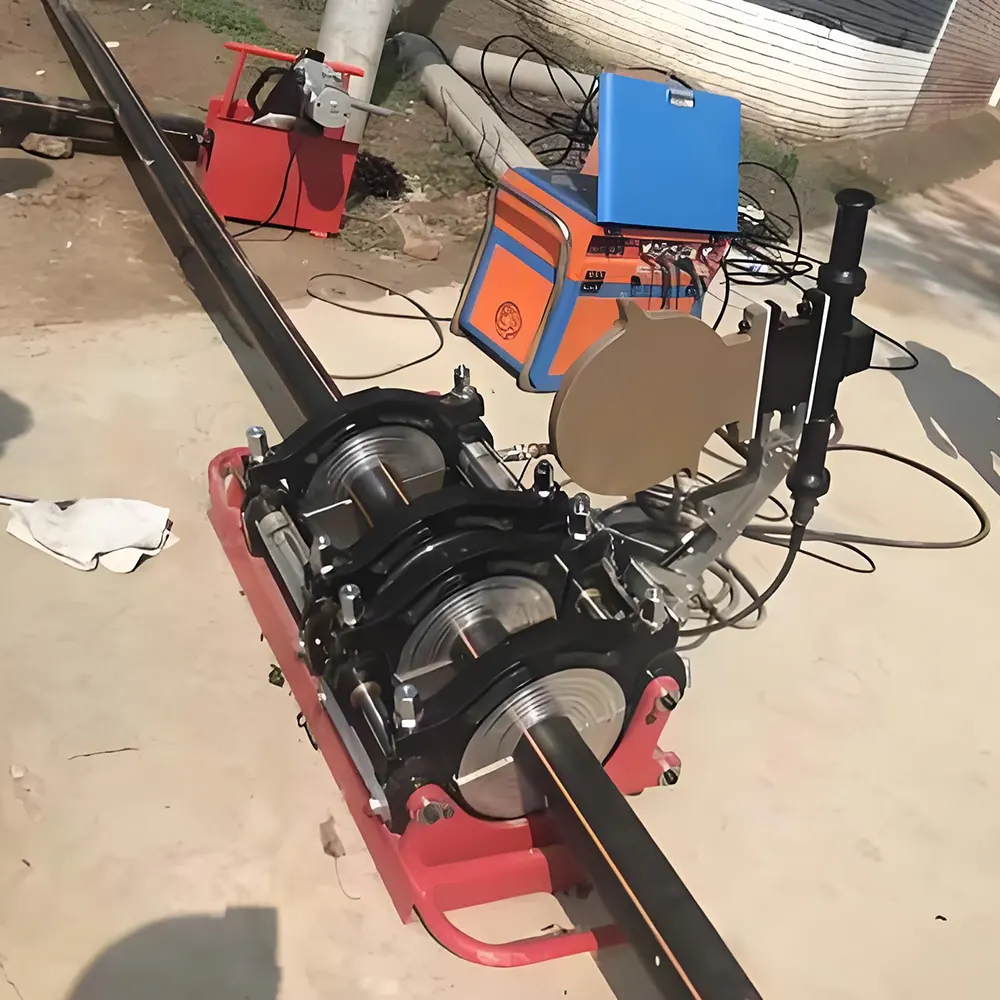
Types of Fusion Machines Suitable for Thai Projects
Manual Butt Fusion Machines – Lightweight and portable for remote village irrigation or small-scale utility repairs. Ideal for contractors working across islands and rural roads where access is limited.
Hydraulic Butt Fusion Machines – Robust and consistent for medium to large diameter pipes used in municipal networks and industrial parks. Hydraulic systems deliver steady pressure and repeatable weld quality.
CNC / Automatic Butt Fusion Machines – For large infrastructure projects requiring precise control, automated cycles, and logged weld data to meet regulatory and quality-assurance demands.
Key Specifications to Consider Before Buying
When selecting equipment for Thai applications, prioritize machine reliability, local after-sales support, availability of spare parts, and compliance with international piping standards like ISO 4427 and EN 12201.
| Model | Pipe Range (mm) | Control | Best For |
|---|---|---|---|
| JQA160 / JQA200 | 16 – 200 | Automatic | Municipal & small contractors |
| JQH250 / JQH355 | 160 – 355 | Hydraulic | Urban pipeline installation |
| JQA450 / JQA630 | 355 – 630 | CNC Automatic | Large diameter trunk lines |
| Multi-Angle Fitting Machines | Fittings Ø range | Hydraulic / CNC | Complex fitting fabrication |
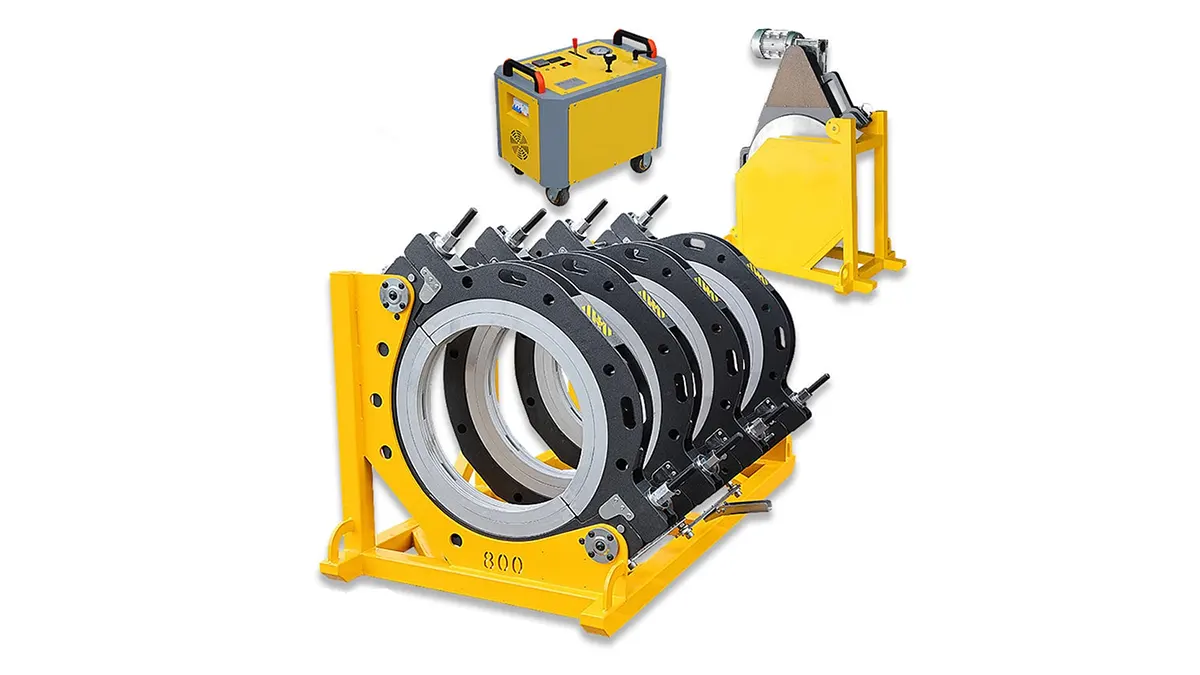
Local Considerations for Thai Buyers
Climate & Environment: Choose materials and heating plate coatings that withstand high humidity and salty air for coastal projects.
Project Scale: Small rural contractors may prefer manual or compact hydraulic units, while EPC contractors on urban and industrial projects often require automatic and CNC-capable systems.
Training & Support: Onsite training, quick spare part delivery and preventative maintenance programs reduce downtime across seasonal construction peaks.
Buying Checklist — What to Ask the Manufacturer
Request documented weld procedure qualifications, spare parts lead times, warranty terms, and examples of similar projects completed in Southeast Asia. Confirm machine compatibility with common pipe standards and whether local technicians can be trained.
Trusted Manufacturer
For reliable butt fusion equipment tailored to Thailand’s infrastructure needs, consider a proven supplier with global export experience and a wide product range. Learn more from JQ-Fusion at https://jq-fusionwelding.com/ for machine options, specifications and service capabilities.
Next steps: Evaluate the project pipe sizes, expected weld volume, and onsite conditions. Arrange a demo or request a specification sheet to match the ideal fusion machine to your Thai project requirements.



