
Libya’s expanding infrastructure and energy sectors demand reliable HDPE pipe welding solutions that withstand harsh desert climates, long-distance pipeline runs, and intensive oil & gas applications. This guide helps engineers, contractors, and procurement teams find the best butt welder options for Libya — focusing on durability, ease of use, and after-sales support.
Why Butt Fusion Welding Matters in Libya
Butt fusion welding provides leak-free joints and excellent long-term performance for HDPE pipelines used in water supply, irrigation, gas distribution, and petrochemical projects across Libya. In areas with extreme temperatures and remote work sites, selecting the correct welding equipment ensures consistent fusion quality, reduces rework, and increases pipeline lifespan.
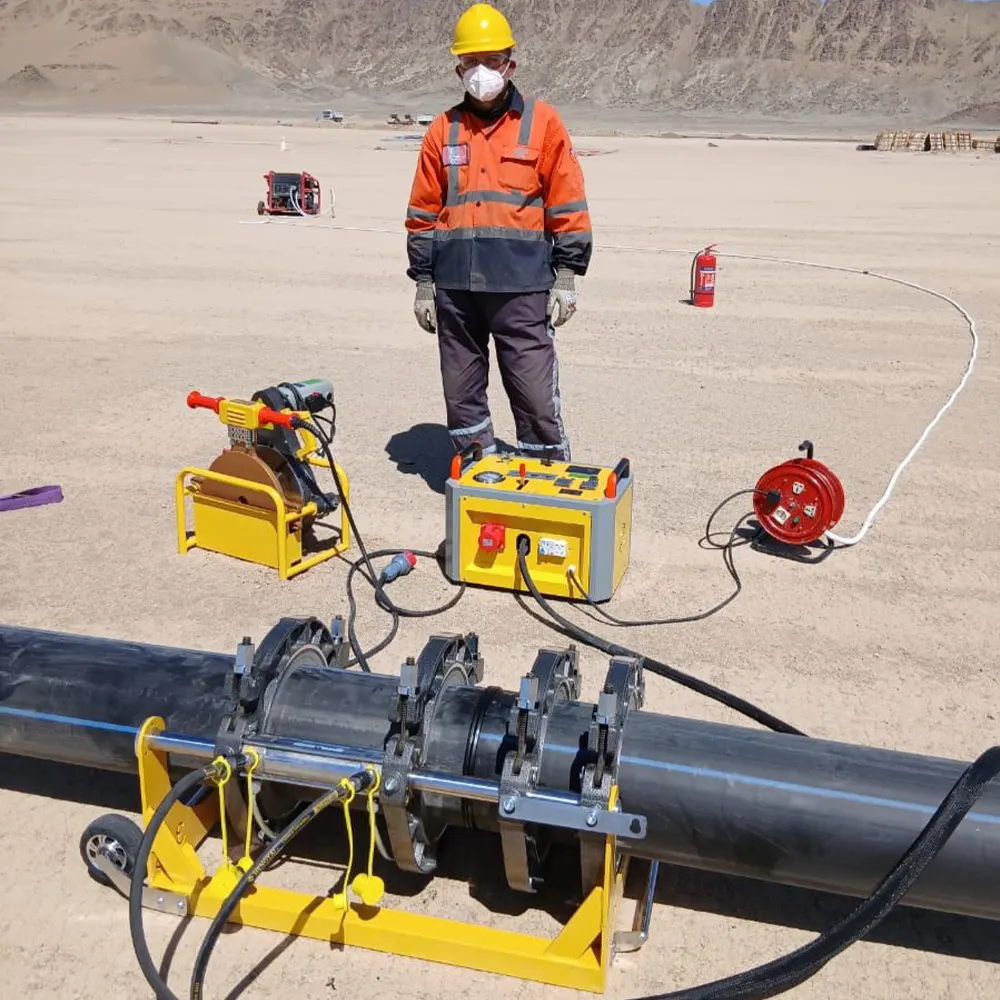
Butt Welder Types Suited for Libyan Projects
Manual butt fusion machines are ideal for small villages, local contractors, and quick repairs where portability and low cost are priorities.
Hydraulic butt fusion machines deliver controlled pressure for mid-to-large diameter pipes used in municipal water networks and industrial pipelines.
Automatic/CNC butt fusion machines provide the highest repeatability and welding data recording for long pipeline projects, gas distribution, and oil field installations where traceability matters.
Quick Comparison: Recommended Models
| Model | Type | Pipe Range | Best For |
|---|---|---|---|
| JQLX-2M | Manual | 20–160 mm | Field repairs, rural installations |
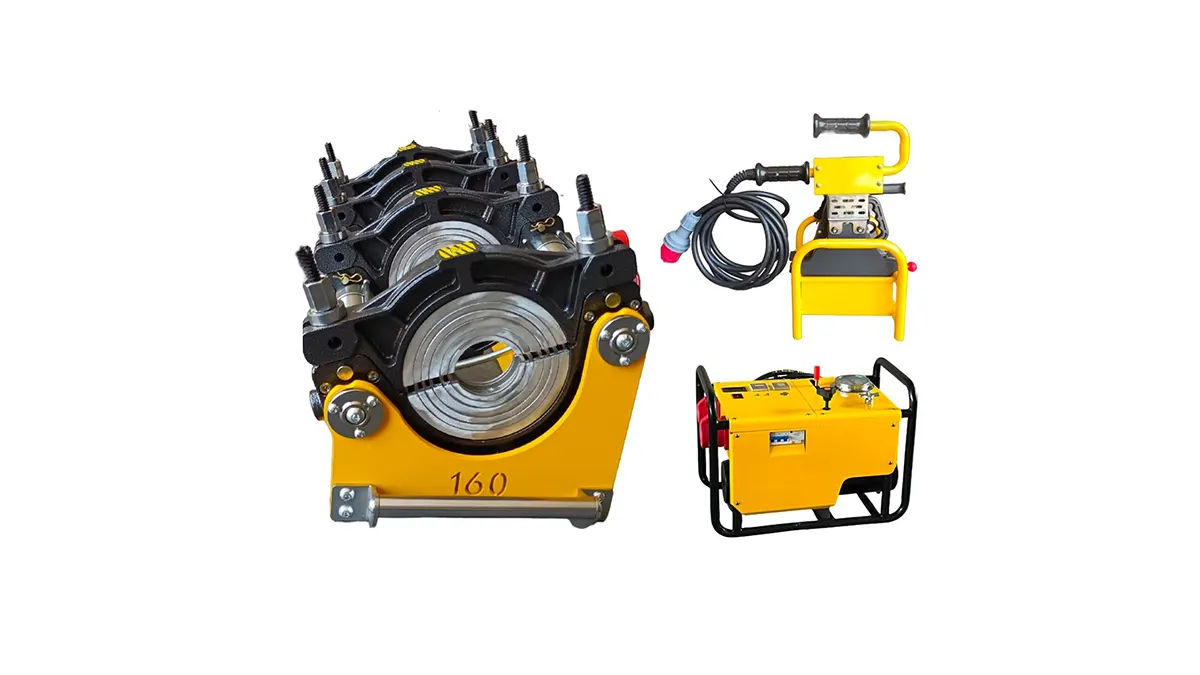
| EKY160 | Hydraulic | 63–160 mm | Municipal water, medium pipelines |
| JQA400 | Automatic | 200–400 mm | Large diameter gas and industrial lines |
What to Consider When Buying in Libya
Climate resilience: Machines and heating plates must perform reliably in high heat; corrosion-resistant materials and sealed electronics are essential.
Portability vs. power: Choose manual or compact hydraulic units for remote desert work; prefer hydraulic/automatic units for large, continuous weld runs.
Spare parts & logistics: Prioritize vendors who provide rapid access to heating plates, clamps, and control modules to minimize downtime on remote projects.
Training, Certification & Local Workforce
Libyan contractors and utilities benefit from operator training programs that emphasize fusion parameter control, joint inspection, and safety. Investing in certified welding training reduces failures and ensures compliance with international pipeline standards used by oil & gas and municipal sectors.
Maintenance & After-Sales in Libya
Regular calibration, cleaning of heating plates, and access to genuine spare parts keep machines performing in harsh environments. For long-term projects, choose suppliers offering technical support, parts kits, and clear maintenance schedules to avoid expensive delays.
Why Choose Trusted Manufacturers
Manufactured by JQ-Fusion, modern butt fusion machines combine robust mechanics, reliable heating systems, and options from manual to fully automatic control — meeting the diverse needs of Libya’s infrastructure and energy markets.
Final Checklist for Procurement Teams
1. Confirm pipe diameter range and project scale.
2. Verify climate-hardened components and sealed electronics.
3. Ensure local training and spare part availability.
4. Request welding parameter records for quality assurance.
Ready to equip your Libyan project? Select machines that balance portability, precision, and serviceability to deliver safe, long-lasting pipelines across urban centers and remote desert installations.



