
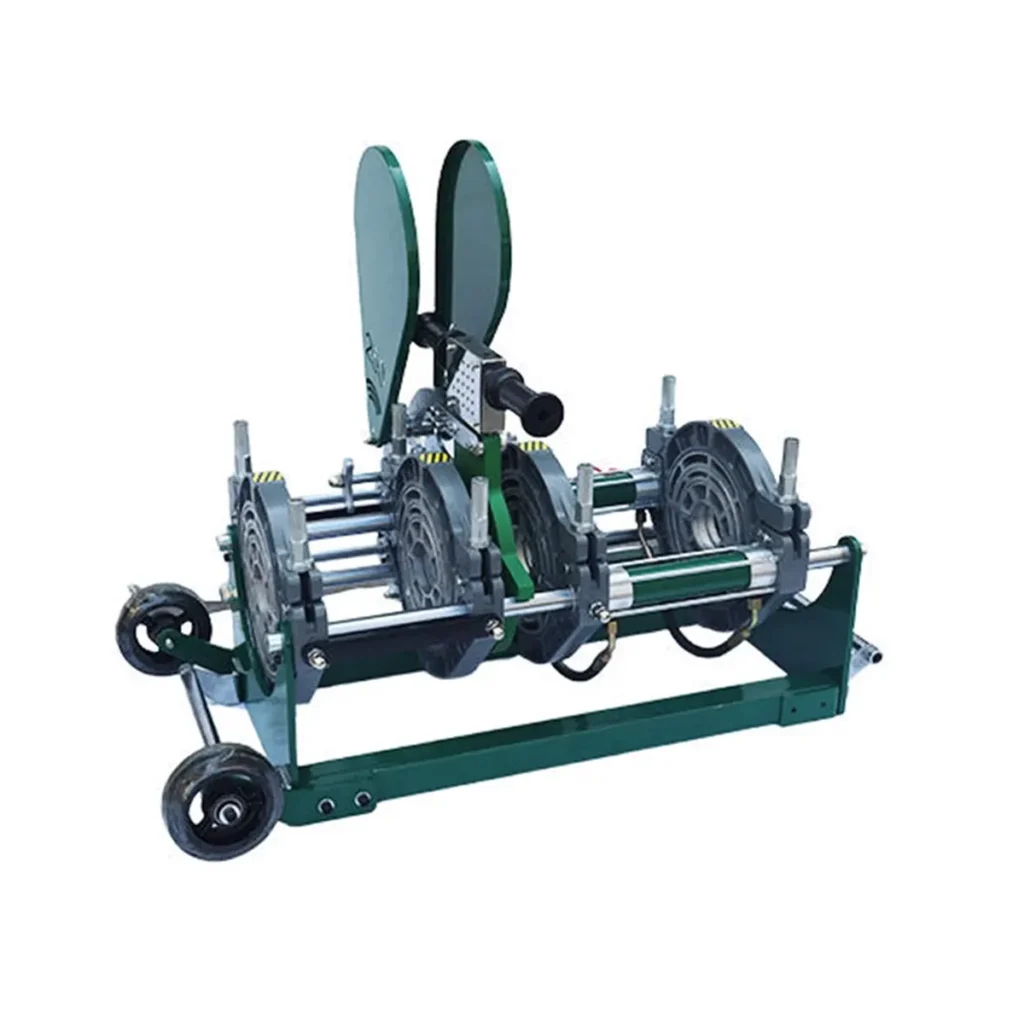
For contractors, utilities, and industrial fabricators in South Korea, selecting the right plastic pipe welding equipment is critical for reliable infrastructure projects — from municipal water networks in Seoul to large-diameter gas and industrial pipeline installations across Busan and Gyeonggi-do. This guide helps Korean buyers evaluate butt fusion and HDPE welding solutions that match local standards, jobsite conditions, and productivity goals.
Why Choose a Quality Plastic Pipe Welder in South Korea?
Durability and joint integrity matter when pipelines must withstand seasonal temperature ranges and heavy urban use. A proven butt fusion welding system reduces leak risk and delivers consistent mechanical strength across HDPE and PP pipelines. For South Korean projects, reliability also means compatibility with the common 220V / 60Hz supply and strong local technical support.
Korean contractors increasingly demand machines that combine portability for narrow urban sites with high-precision control for large infrastructure projects. Key advantages include reduced site rework, faster installation cycles, and compliance with international pipeline standards used by municipal and industrial clients.
Common Butt Fusion Machine Types and Best Uses
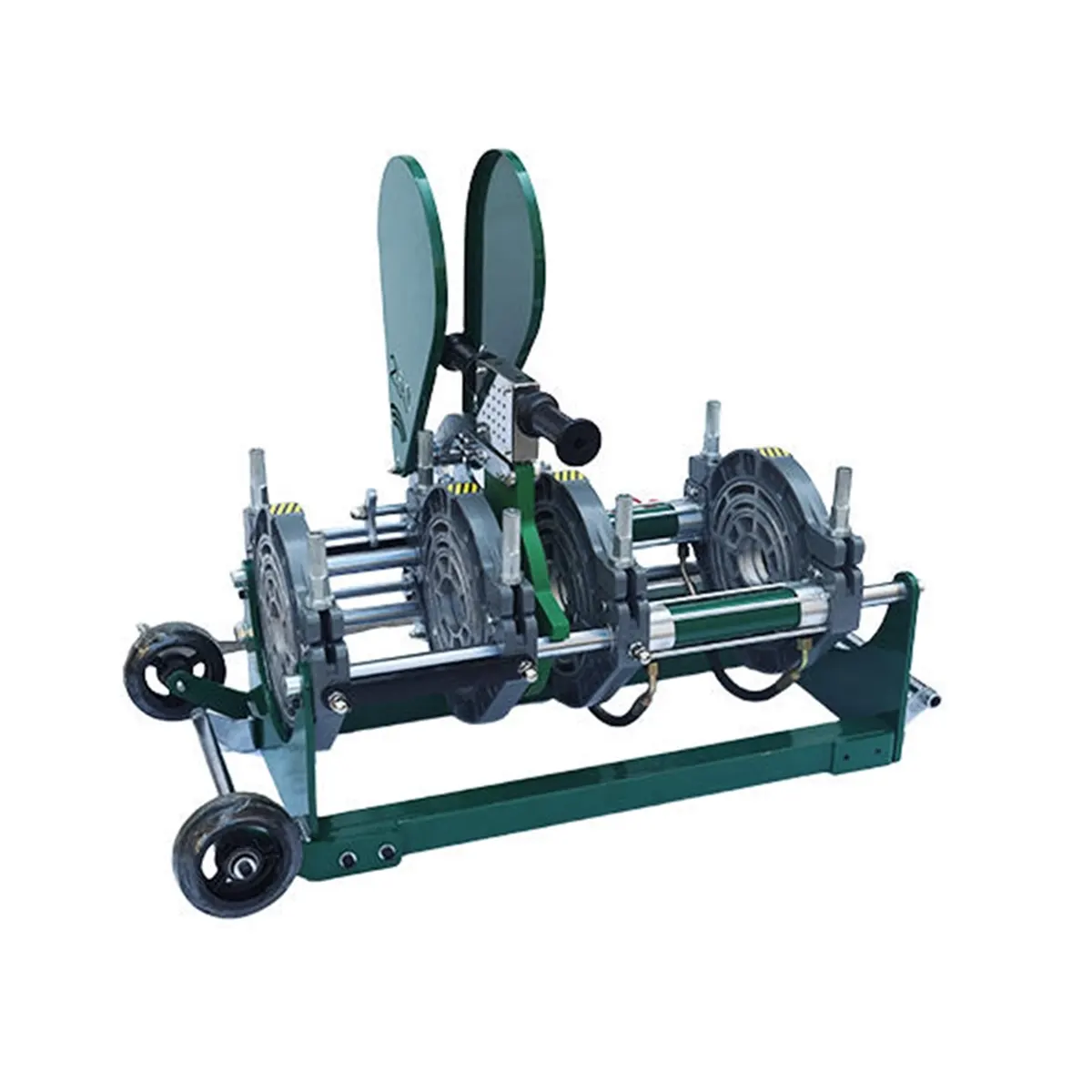
Manual butt fusion – simple, cost-effective for small-diameter pipes and occasional repairs. Ideal for maintenance teams and small contractors working on local distribution lines.
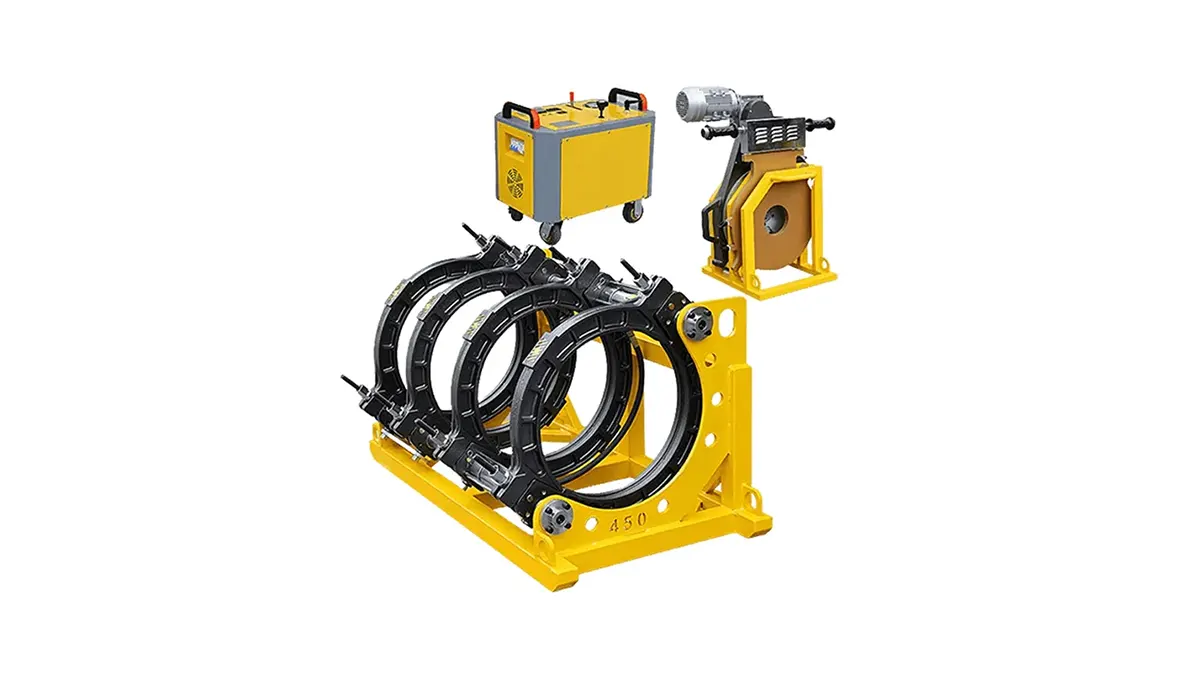
Hydraulic butt fusion – higher clamping force and precision, suited to medium and large diameter pipelines used in municipal water and industrial systems.
Automatic / CNC butt fusion – automated programs, precise heating and fusion cycles, best for large projects with repetitive welds and quality traceability requirements.
How to Choose: Key Criteria for South Korean Projects
When evaluating suppliers and models, South Korea buyers should focus on:
Pipe diameter range — confirm the machine supports your typical job sizes (from small service lines to large trunk mains).
Control precision — automatic cycles and temperature control improve weld repeatability and reduce operator variability.
Power & site compatibility — ensure the machine supports 220V/60Hz or provide options for portable generators on remote sites.
After-sales, spare parts & training — local language documentation and quick spare parts logistics shorten downtime on critical projects.
Comparison Table: Typical Machine Classes
| Machine Class | Pipe Diameter Range | Power / Site Use | Best For |
|---|---|---|---|
| Manual Butt Fusion | 63mm – 315mm | Portable; low power | Repairs, small contractors |
| Hydraulic Butt Fusion | 160mm – 1250mm | Stable 220V supply; site generators | Municipal & industrial mains |
| Automatic / CNC Systems | 63mm – 2250mm+ | 220V / higher power; controlled environment | Large projects, high-volume welding |
Compliance, Training & Local Support
South Korean agencies and large contractors prefer equipment that meets international welding standards and provides full welding documentation. On-site training in Korean language, clear operation manuals, and accessible maintenance services reduce risk and accelerate crew onboarding. Ensure the supplier offers spare parts kits and recommended consumables to match Korea’s tight project timelines.
Ordering, Customization & After-Sales
Look for suppliers who offer modular solutions — from simple manual frames to fully automated units with traceable weld reports — and can adapt machines to local voltage and control preferences. For example, reliable manufacturers provide tailored clamp stations, heating plates, and data logging options suited to municipal, gas, mining, and industrial applications.
For reliable butt fusion welding machines and global project experience, consider contacting JQ-Fusion at https://jq-fusionwelding.com/ for model options, technical specifications, and service arrangements tailored to South Korean projects.



