
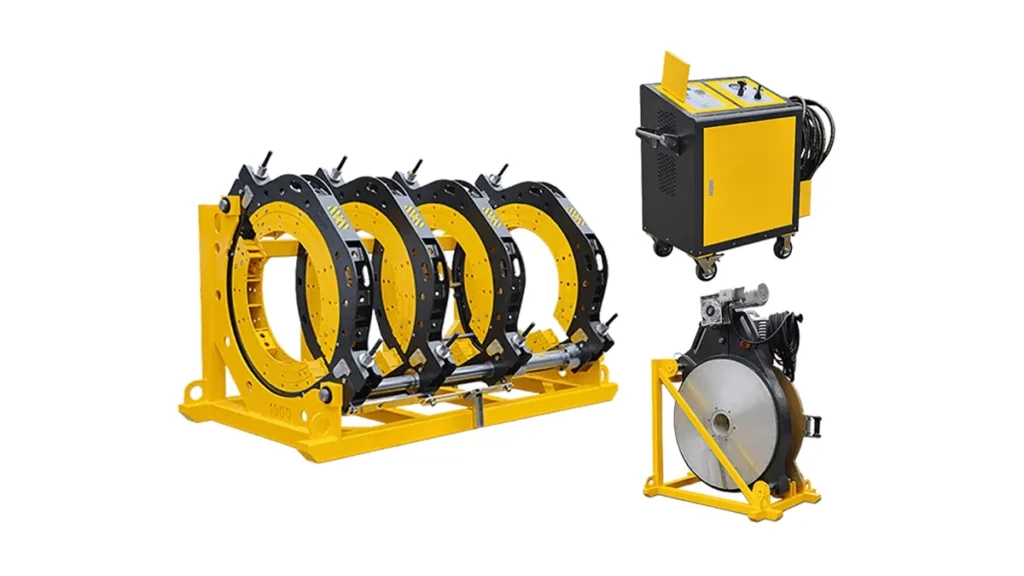
Qatar’s rapid infrastructure growth demands reliable plastic pipe welding machines that perform in harsh climates and high-stakes projects. From Doha’s urban expansion to major oil, gas and desalination facilities, contractors and municipal teams need durable, precise welding solutions for HDPE and PE pipes. This guide explains how modern butt fusion and electrofusion equipment supports Qatar’s industrial and construction needs, highlights popular machine types, and shows what to look for when sourcing trusted suppliers.
Why HDPE Welding Machines Matter in Qatar
HDPE piping is widely used across Qatar for potable water networks, storm drainage, gas distribution, and large-scale industrial pipelines. The country’s hot, sandy environment and stringent project standards (driven by organizations like Kahramaa and Ashghal) mean weld quality and machine reliability are non-negotiable. Proper welding equipment reduces leak risk, accelerates installation, and ensures long-lasting pipeline performance under extreme conditions.
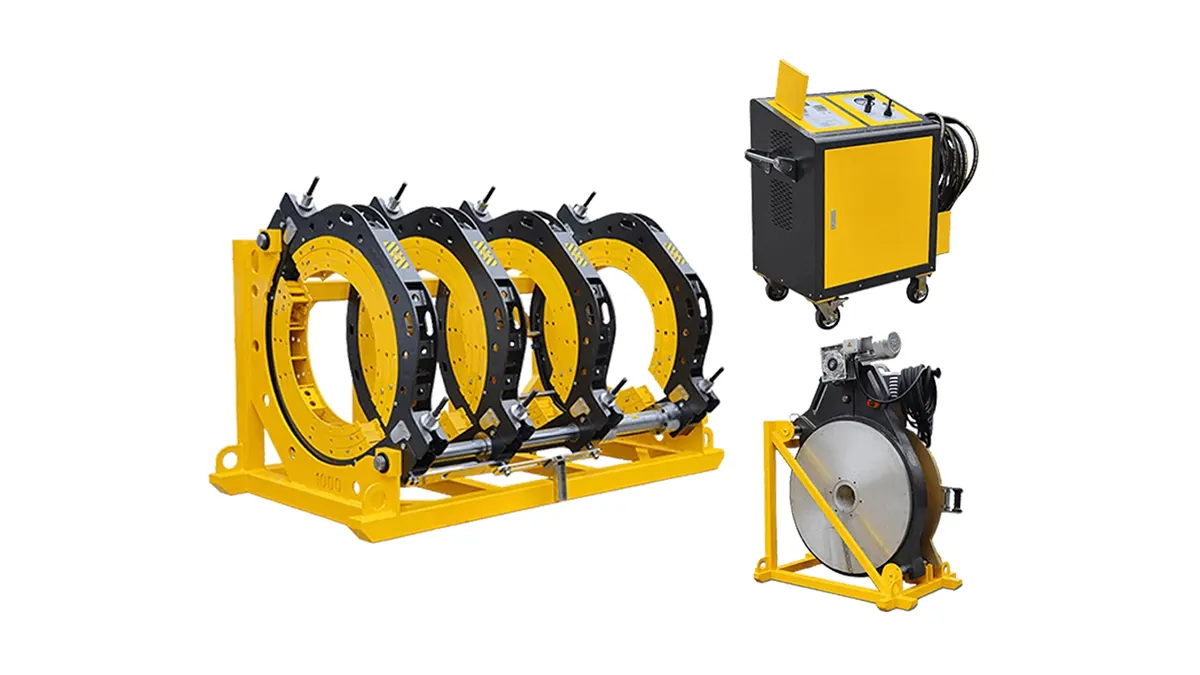
Common Welding Methods for Qatar Projects
Butt fusion is the go-to technique for most large-diameter HDPE pipelines used in water, sewage and industrial systems. For branch connections, fittings and valves, electrofusion offers controlled, reproducible joints ideal for urban works and confined spaces. Selecting equipment that supports both methods or integrates accessories for site versatility improves productivity on diverse Qatari job sites.
Key Features to Look For
Robust build to resist sand and high temperatures, accurate heating control for consistent welds, user-friendly controls for local crews, and fast service support are critical. Mobility (trailered or skid-mounted units) and the ability to handle a wide range of pipe diameters help contractors meet varied contract requirements across Qatar’s urban and remote sites.
Model Selection: Performance vs. Project Scale
Small maintenance teams typically choose manual or compact hydraulic fusion units, while large contractors and EPC firms working on mega-projects prefer CNC automatic butt fusion machines for repeatable, traceable weld records. Multi-angle fitting welders are increasingly used in tight installation environments such as stadium precincts, airports, and underground utility corridors.
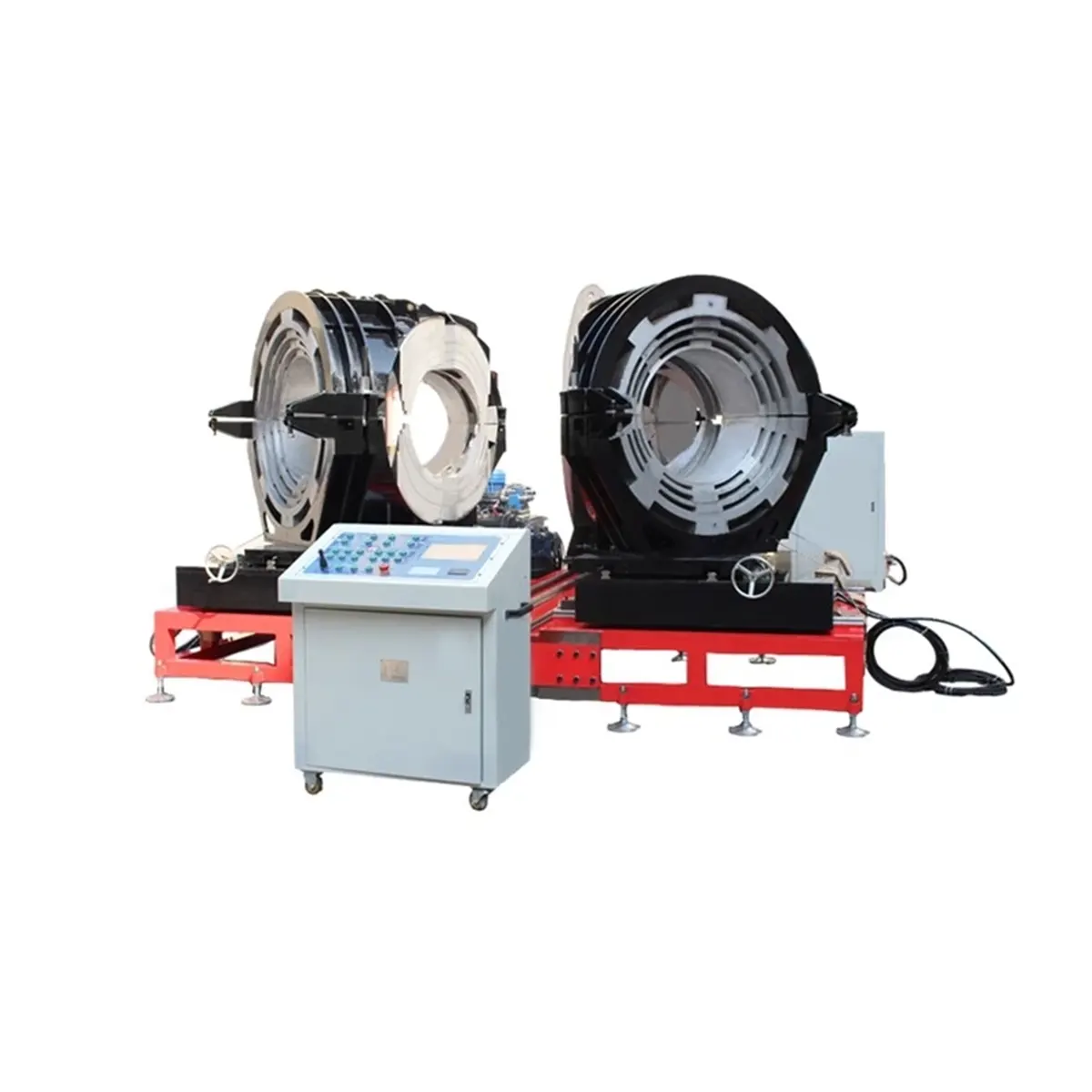
Quick Product Comparison (Typical Options)
| Model / Type | Pipe Range | Welding Method | Best For |
|---|---|---|---|
| Manual Butt Fusion | 20–315 mm | Butt fusion | Repairs, small projects |
| Hydraulic Butt Fusion | 160–2250 mm | Butt fusion | Large-diameter pipelines |
| CNC Automatic Butt Fusion | 63–1250 mm | Butt fusion (automated) | High-volume urban deployments |
| Multi-Angle Fitting Machine | 16–630 mm (varies) | Butt fusion / fitting | Complex fittings, confined sites |
| Electrofusion Units | 20–630 mm | Electrofusion | Service networks and repairs |
Installation and After-Sales Considerations
Local teams value suppliers who provide on-site training, spare parts stocking, and fast technical support. In Qatar, where project timelines are tight and standards are high, choosing equipment backed by clear maintenance plans and local partner networks preserves uptime and reduces lifecycle costs.
Sourcing Machines for Qatar: Practical Tips
Verify machine calibration records, request weld procedure documentation, and ask about accessories for sandy or coastal environments (sealed control panels, corrosion-resistant finishes). Also confirm shipping lead times and customs documentation to align with Qatar project schedules.
About JQ-Fusion: JQ-Fusion is a professional manufacturer specializing in HDPE pipe welding machines and provides manual, hydraulic, and CNC automatic butt fusion welding machines for global infrastructure projects. Learn more at https://jq-fusionwelding.com/



