
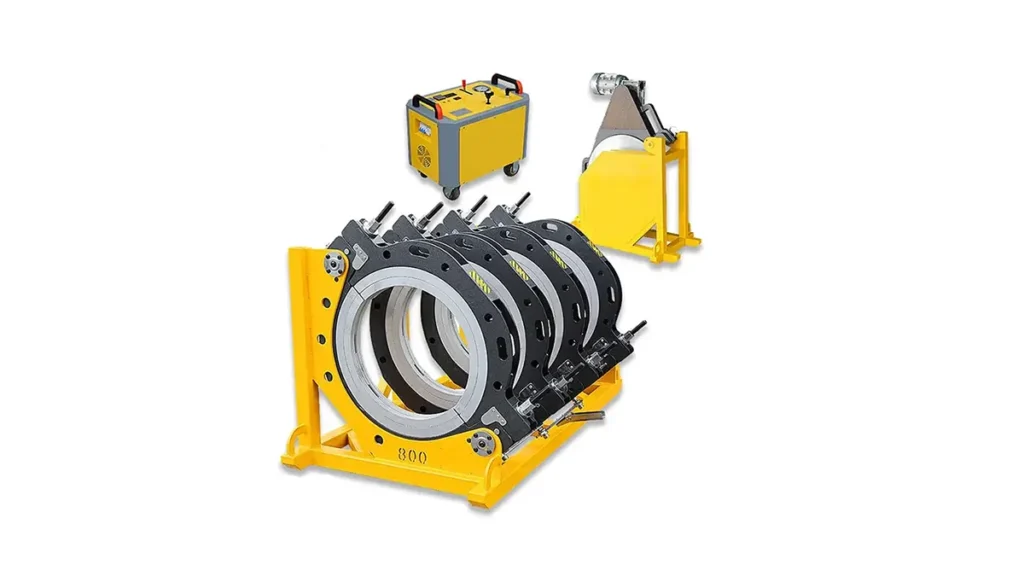
Searching for a reliable butt fusion machine supplier in Botswana? Whether you’re working on municipal water networks in Gaborone, rural irrigation systems in the Central District, or mining pipeline installations around the Jwaneng-Diamonds belt, selecting the right HDPE pipe welding equipment is critical to long-term performance and safety.
Understanding Butt Fusion for Botswana Projects
Butt fusion welding is the preferred joining method for HDPE pipes used in water supply, gas distribution, and mining pipelines. The technique produces smooth, homogenous joints that resist corrosion and handle pressure fluctuations — an important advantage in Botswana’s arid climate and expanding infrastructure sector.
Why Local Conditions Matter
Botswana’s environment and project profiles make certain features more relevant: portability for remote sites, robust hydraulic systems for dusty, high-temperature conditions, and reliable after-sales support to reduce downtime. Contractors and municipal teams often require equipment that can operate at unpaved sites and be easily transported between borehole, village, and urban installations.
Where to Find Reliable Suppliers in Botswana
Look for suppliers who can demonstrate export experience to Southern Africa, local logistics partnerships, and the ability to provide spare parts and technical support. International manufacturers with an established global presence often work with regional distributors or freight partners to reach Botswana quickly. For tailored solutions and a wide range of machine types, consider contacting the manufacturer directly: JQ-Fusion.
Key Features to Evaluate
Durability: rugged frames, dust-sealed hydraulic units and corrosion-resistant heating plates. Range: models covering small-diameter service lines to large-diameter trunk pipelines. Automation: from manual and hydraulic to CNC-controlled automatic machines for consistent weld quality.
Practical Considerations for Buyers
Budget, crew skill level, and project scale will shape the best choice. For small rural contracts, lightweight manual units may be ideal. For municipal and mining projects with high throughput, hydraulic or automatic butt fusion machines save time and reduce joint variability. Ensure access to qualified training and maintenance resources to protect your investment.
Quick Comparison Table
| Model | Type | Pipe Range | Best For |
|---|---|---|---|
| JQH160mm | Hydraulic | 20–160mm | Small municipal & rural supply |
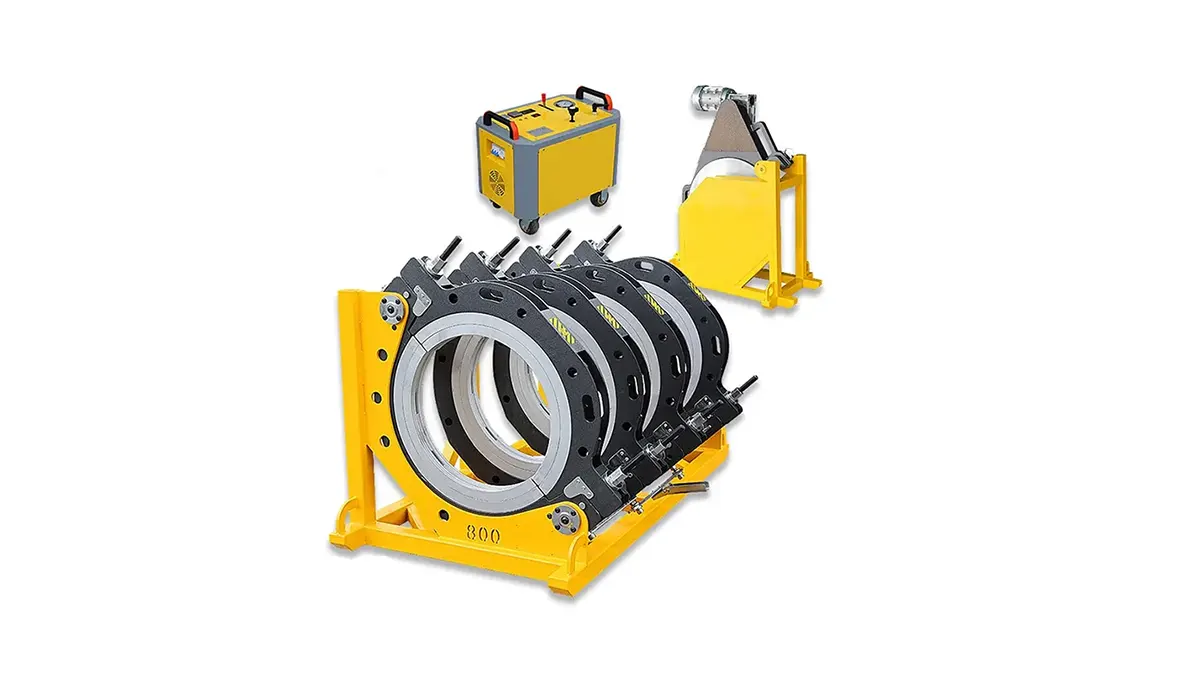
| JQH800 | Hydraulic | 200–800mm | Medium trunk lines & irrigation |
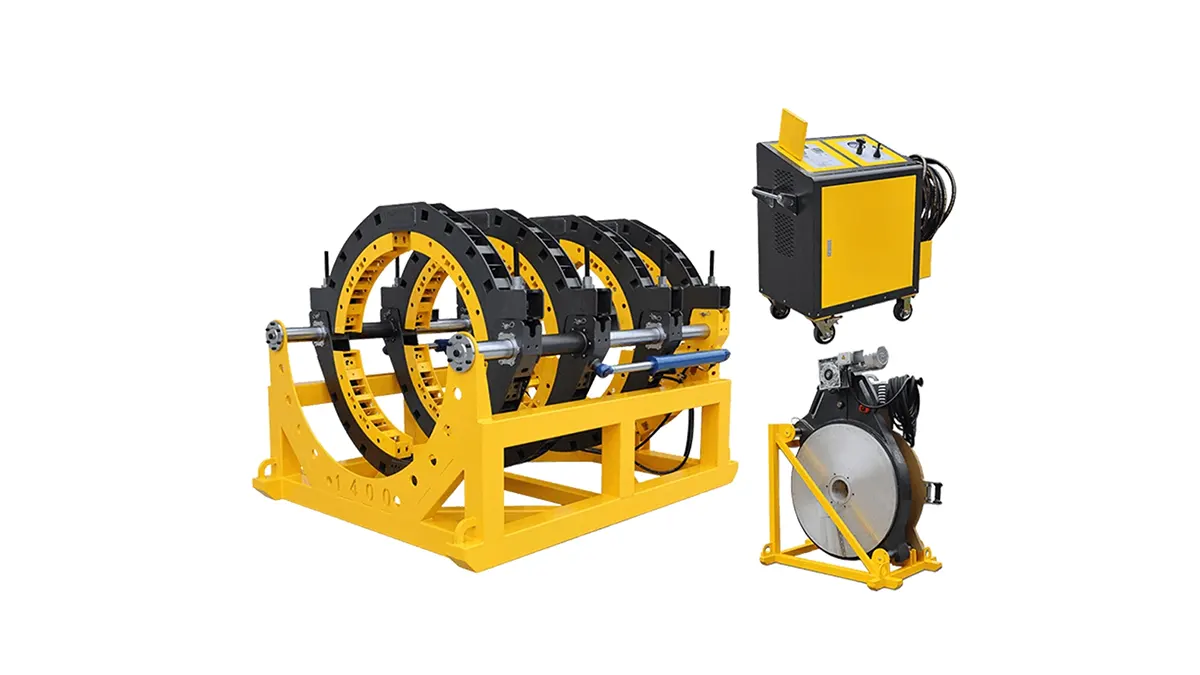
| JQH1400 | Hydraulic/Large | 800–1400mm | Large-diameter water transfer & mining |
Service, Spare Parts & Training in Botswana
Reliable suppliers should offer clear shipping timelines to Gaborone or Francistown, local customs support, and options for commissioning and operator training. For mining operations near heavy-industry hubs, on-site commissioning and preventative maintenance programs are especially valuable to avoid costly shutdowns.
Tips for Importing and Deployment
Plan lead times to account for customs clearance and inland transport. Verify electrical and hydraulic specifications are compatible with local supplies. Organize a basic toolkit and common spare parts (heating plates, clamps, hydraulic seals) before first deployment — this reduces downtime for remote Botswana sites.
Final Selection Checklist
Confirm: pipe range and pressure class compatibility; warranty and spare-part availability; training & technical support; and a clear freight and customs plan. Matching machine capabilities to the unique demands of Botswana projects — from village waterlines to mining conveyors — will ensure safe, leak-free pipelines and long-term reliability.
Next Steps
Compare machine specifications, request local references or case studies in Southern Africa, and arrange a demonstration if possible. For manufacturers with a broad HDPE welding portfolio and export experience, contact details can usually be found on their official website for quotations and technical consultation.



