
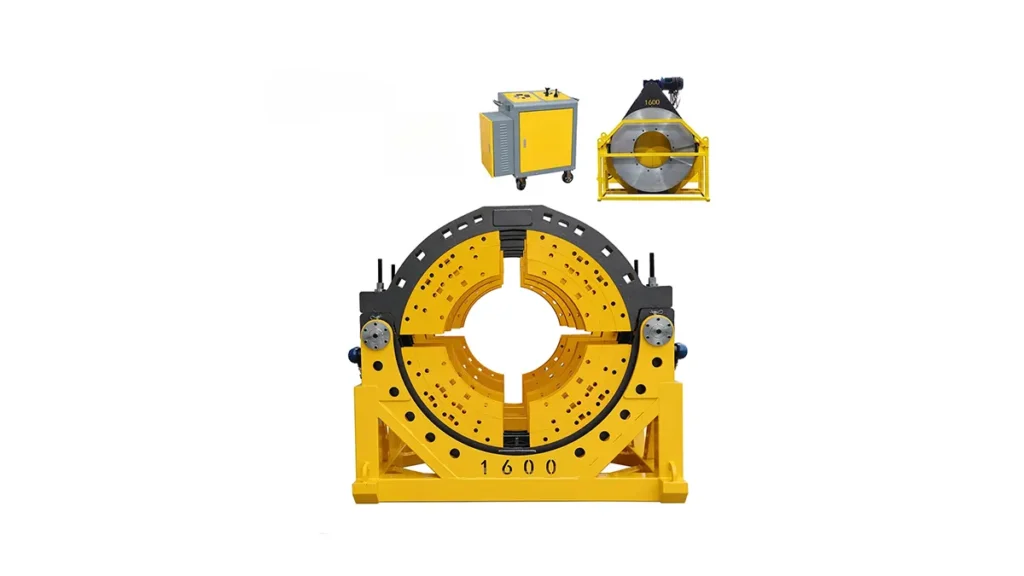
Butt fusion welding remains the gold standard for joining HDPE pipes across Ireland’s water, gas, and civil engineering sectors. This article outlines trusted solutions for industrial pipe joining, practical selection tips for contractors, and how modern machines deliver consistent, leak-free results in Ireland’s varied climate.
Why Butt Fusion Is Preferred for Irish Pipeline Projects
Butt fusion welding creates homogenous joints that match the parent material’s strength, making it ideal for long-term infrastructure projects in Ireland — from municipal water mains to rural drainage and gas distribution networks. The technique performs well in wet and coastal environments and stands up to freeze-thaw cycles common in temperate Irish weather.
Key Benefits for Local Contractors
Durability: Joints resist corrosion and soil chemistry changes. Leak-tight performance reduces maintenance costs for utilities and municipal works. Portable machine options allow roadside or remote-site operations across Ireland’s diverse terrain.
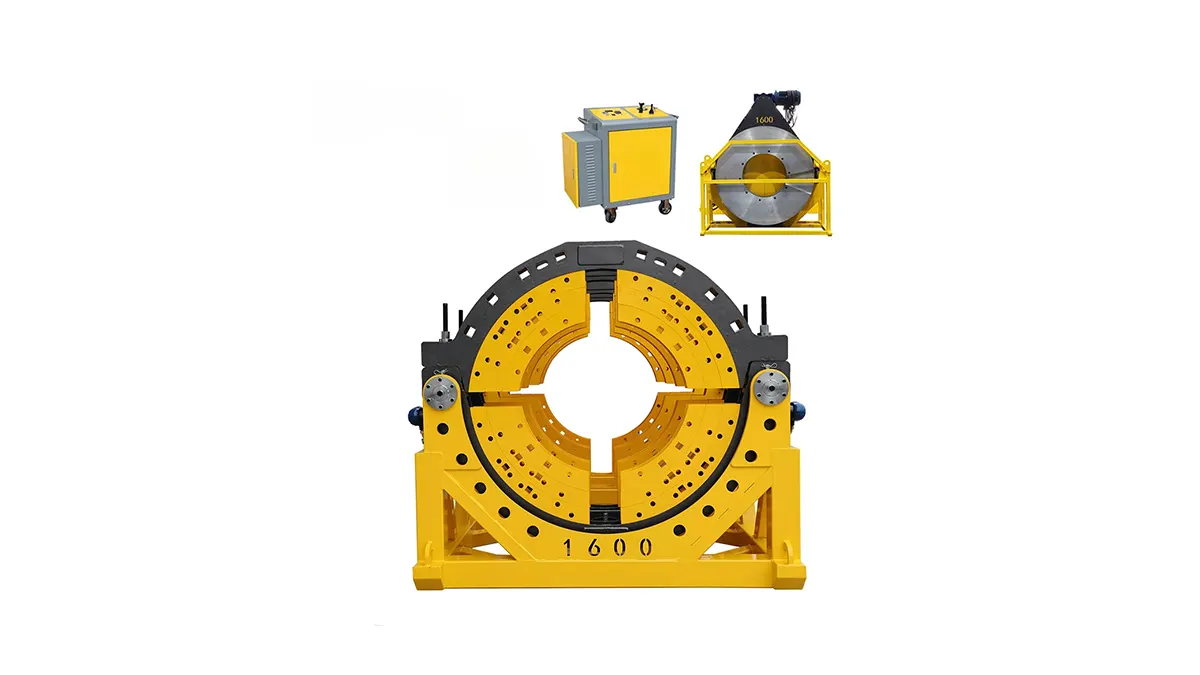
Choosing the Right Butt Fusion Machine
Selecting a machine depends on pipe diameter, site conditions, and production needs. Manual units are economical for small-diameter repairs and rural work, while hydraulic or CNC automatic machines suit large-diameter mains and high-volume installations.
Factors to Consider
– Pipe size and SDR rating
– Required mobility for on-site Irish roadworks
– Power source availability (battery, generator, mains)
– Operator training and weld traceability for compliance
Common Applications in Ireland
Butt fusion is widely used in potable water networks, wastewater systems, underground utilities for housing developments, agricultural irrigation systems, and gas pipelines. Its strong, reliable joints make it the preferred choice for both urban councils and rural contractors.
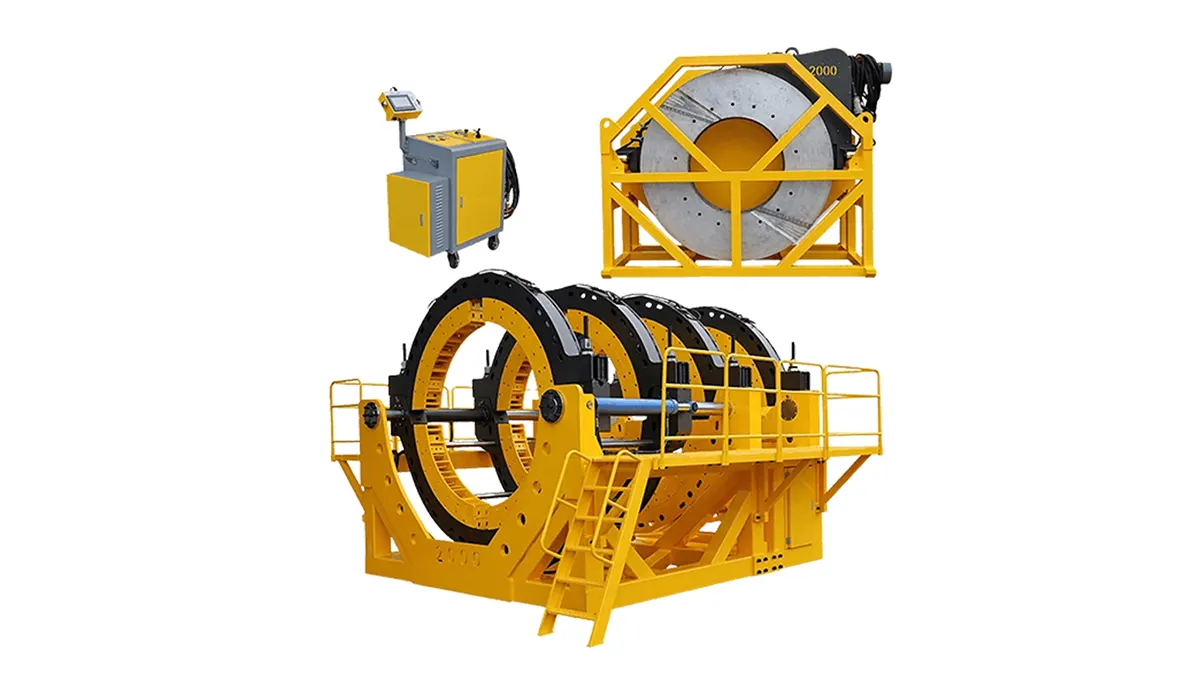
Performance and Quality Controls
Modern butt fusion equipment integrates precise temperature control, facing accuracy, and timed pressure cycles. These controls are essential for reproducible welds and meeting regulatory documentation required by Irish utilities and contractors.
On-site Best Practices
Prepare pipe ends thoroughly, monitor heater plate cleanliness, and follow the machine’s cycle parameters. For critical mains installations, maintain weld logs and sample test joints for verification.
Quick Comparison Table — Typical Machine Options
| Model | Pipe Range (mm) | Ideal Use |
|---|---|---|
| Manual Units | 20–315 | Maintenance & small works |
| Hydraulic Machines | 160–2000+ | Utility mains & industrial |
| Automatic CNC | 250–1600 | High-volume and precision projects |
Service, Support, and Training
Reliable after-sales service and operator training are critical. Local installers and municipal teams benefit from supplier-supported commissioning, field training, and spare parts availability across Ireland to minimize downtime during seasonal projects.
Sourcing Trusted Equipment
When selecting a manufacturer and supplier, look for proven experience in HDPE pipe welding, robust quality control, and adaptable product lines that cover manual to automatic machines. JQ-Fusion provides a wide range of butt fusion solutions built for global infrastructure needs.
Final Considerations for Irish Projects
For long-lasting pipelines in Ireland, choose machines matched to project scale, ensure trained operators, and keep detailed weld records. With the right equipment and processes, butt fusion welding delivers durable, low-maintenance joints that serve communities and industries for decades.



