
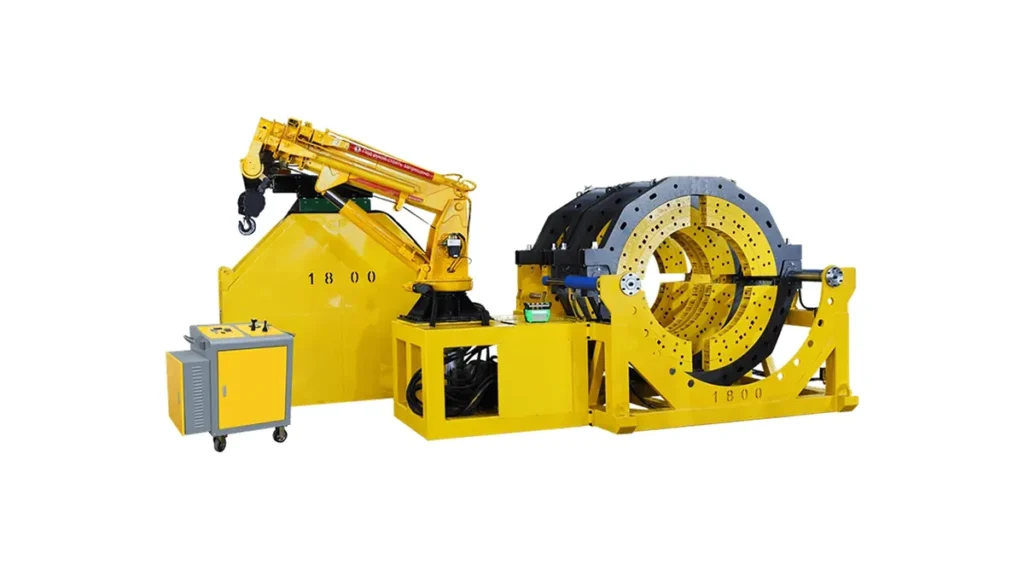
Chile’s expanding water networks, extensive mining operations in the north, and growing rural irrigation projects demand pipe welding equipment that performs reliably across deserts, coastal regions, and mountain valleys. These conditions call for HDPE butt fusion solutions that handle varied diameters, rugged job sites, and local workforce needs.
Butt Fusion Solutions Tailored for Chilean Infrastructure
HDPE pipe welding machines are widely used for potable water distribution, gas pipelines, and mineral processing lines across Chile. Choosing the right combination of manual, hydraulic, and CNC automatic units ensures project efficiency from Santiago to Antofagasta and remote Andean installations.
JQ-Fusion (https://jq-fusionwelding.com/) is a professional manufacturer specializing in HDPE pipe welding machines that support global infrastructure projects with durable butt fusion equipment.
Selecting the Right Machine Type
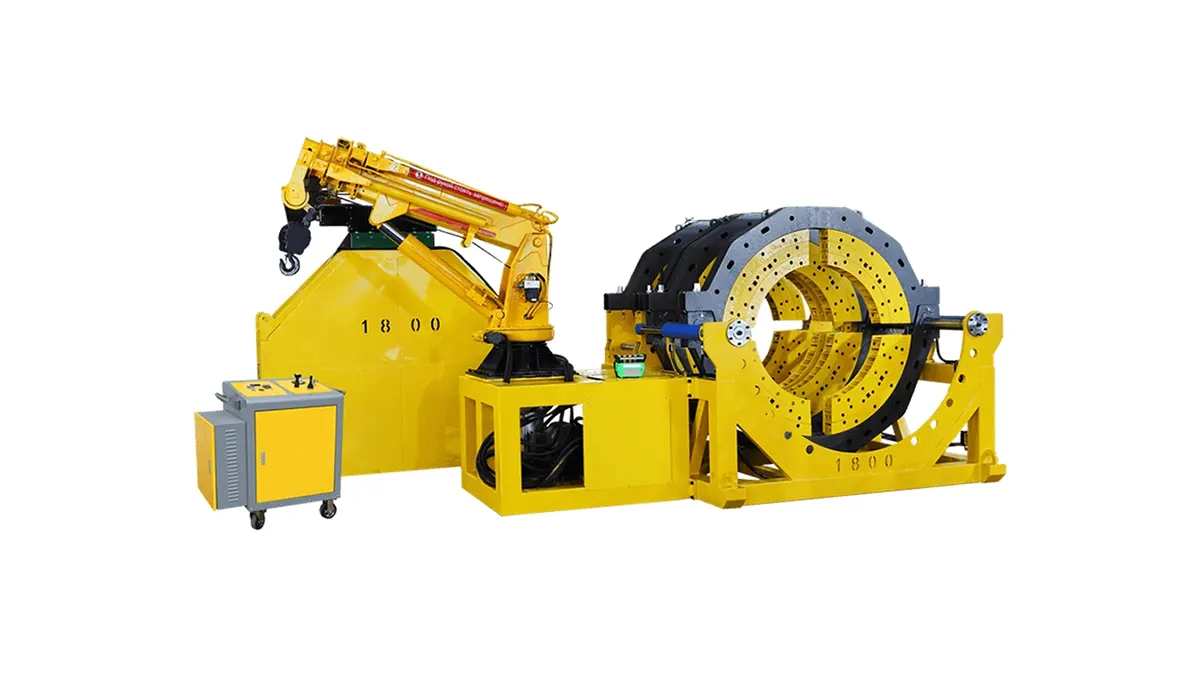
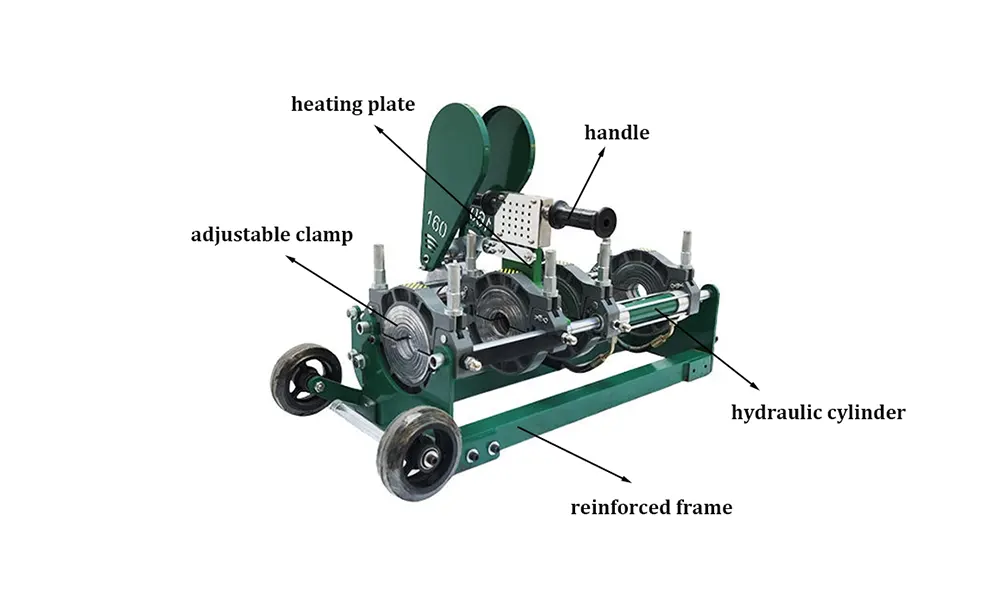
Project scale and site conditions determine the best machine type. For small repair works and localized utility connections, manual units offer portability and low cost. For municipal networks and medium projects, hydraulic machines bring higher clamping force and faster cycles. For pipeline contractors and large-diameter mains, automatic CNC butt fusion systems deliver repeatable precision and data logging.
| Machine Type | Pipe Range (mm) | Typical Chile Applications | Key Benefit |
|---|---|---|---|
| Manual Butt Fusion | 16 – 315 | Rural repairs, small-diameter service lines | Portable & cost-effective |
| Hydraulic Butt Fusion | 63 – 1250 | Municipal water mains, mining process lines | Higher clamping force & durability |
| CNC Automatic Butt Fusion | 160 – 2000+ | Large pipeline projects, gas distribution, trunk mains | Precision, traceability, faster cycles |
Practical Considerations for Chilean Sites
In mining regions like the Atacama and in remote southern communities, portability, power supply options, and serviceability are critical. Machines should be easy to transport on rough roads and configured to work with local generators. Spanish-language controls or documentation, plus on-site training, reduce operator mistakes and increase weld quality.
Installation, Training & Certification
Successful projects pair robust equipment with comprehensive operator training and quality control processes. Look for machines that support visual or digital weld log export, simple maintenance routines, and access to spare parts. For contractors in Chile, ensuring compliance with international welding standards and local regulations improves long-term pipeline performance.
Benefits at a glance
• Improved leak resistance and joint life for potable water and gas networks.
• Faster welding cycles for large projects and reduced labor costs.
• Traceable weld data for quality assurance and regulatory compliance.
• Machines designed to perform in Chile’s diverse climates—from desert heat to southern rains.
How to Evaluate Suppliers
Choose suppliers that offer clear technical specifications, responsive spare-part support, and training packages adapted to local teams. Verify warranty terms, available accessories (trimmers, heaters, clamps), and after-sales service response times for remote regions.
Investing in the right HDPE butt fusion equipment ensures reliable pipelines across Chile’s urban and industrial landscapes—delivering long-term value for utilities, contractors, and mining operations.



