
For pipeline contractors, municipal utilities, and construction teams across Ukraine, choosing a reliable butt fusion welder supplier makes the difference between fast, long-lasting HDPE pipe joints and costly rework. This guide explains what to look for in machines, local considerations for Ukrainian projects, and practical tips to speed up procurement and field deployment.
Benefits of Butt Fusion Welding for Ukrainian Pipelines
Butt fusion welding is widely used for water distribution, gas mains, irrigation, and mining pipelines because it creates homogeneous, leak-free joints that match the pipe’s strength. In Ukraine, where infrastructure projects face seasonal temperature swings, frozen-ground conditions, and growing urban rehabilitation needs, butt fusion provides dependable performance and simplifies long-term maintenance.
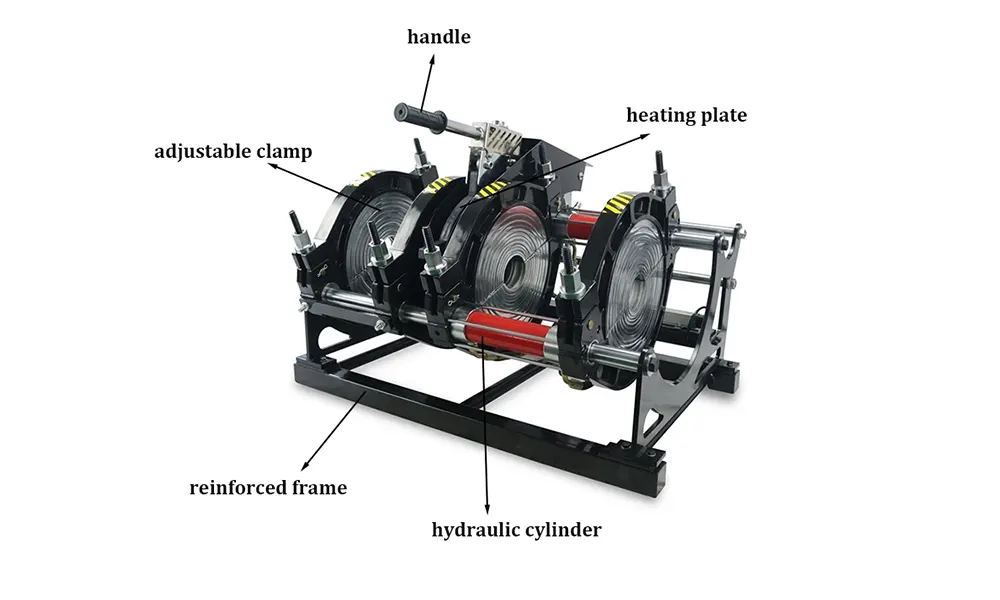
Key Advantages
– Durable, pressure-resistant joints ideal for gas and water networks.
– Minimal need for adhesives or consumables compared with electrofusion.
– Range of machine types (manual, hydraulic, CNC automatic) to match site scale.
– Faster installation rates on long-distance and large-diameter projects.
What Ukrainian Buyers Should Prioritize
When evaluating suppliers and models, Ukrainian teams should consider operational environment, logistics, and local workforce skills. Prioritize machines that are robust in sub-zero temperatures, easy to transport on rural roads, and simple to maintain with locally available spare parts.
Site-readiness and training
Look for suppliers who provide clear operator manuals, on-site training, and quick-response technical support. Skilled welders are still essential—investing in training can cut rejection rates and improve joint quality on complex urban or industrial projects.
Machine Types and Typical Uses
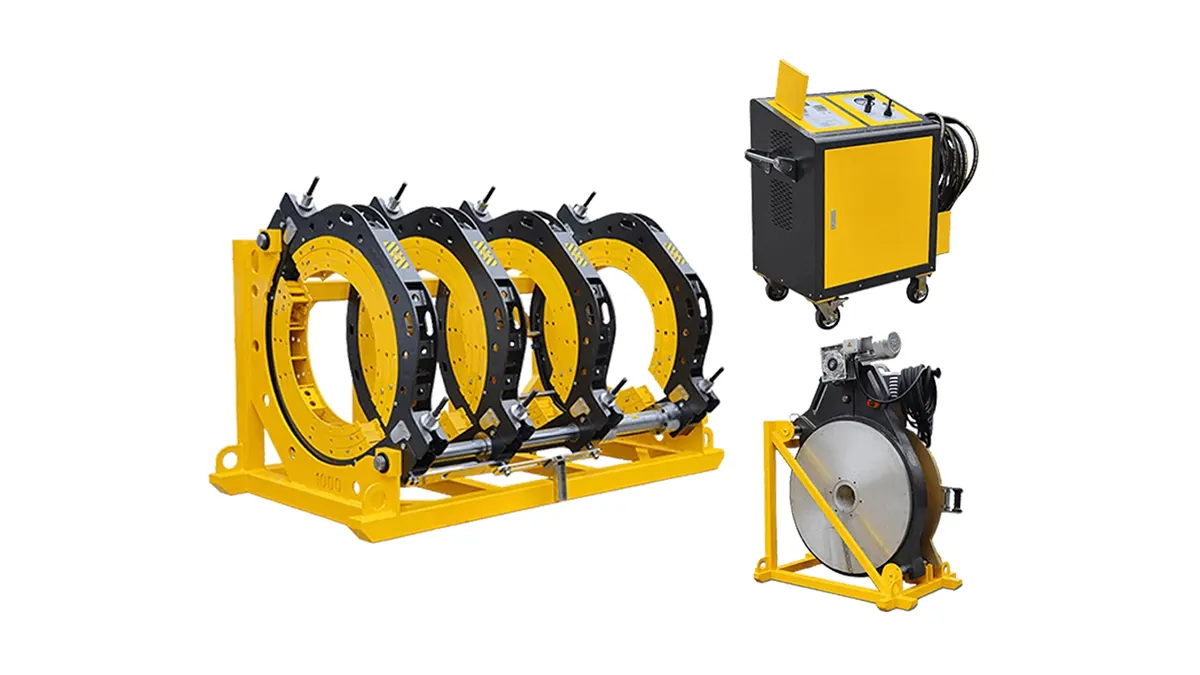
– Manual: Best for small-diameter repairs and isolated rural jobs.
– Hydraulic: Preferred for medium to large diameters with higher force and precision.
– Automatic / CNC: Ideal for high-volume or large-diameter production lines where repeatable cycles and data logging matter.
Quick Comparison Table
| Model | Type | Pipe Range | Highlight |
|---|---|---|---|
| JQH160 | Hydraulic | 20–160 mm | Portable, rapid setup |
| JQA250 | Automatic | 90–250 mm | Cycle control, data logging |
| JQMA450 | Multi-angle Fitting | 110–450 mm | Specialist for fittings and branches |
Logistics and After-sales in Ukraine
Consider lead times, spare parts stock, and whether the supplier can support customs and local delivery. Machines with modular components and widely used hydraulic/electrical parts are easier to maintain if local import routes are delayed. For fast-moving municipal programs in Kyiv, Dnipro, Lviv, and regional sites, having a stocked spare-parts kit reduces downtime.
Maintenance Tips
Regular checks of heater plate surfaces, clamp alignment, and hydraulic seals extend machine life. Keep a simple log of joint cycles and schedule preventive maintenance before winter months when cold-weather brittleness increases repair costs.
Procurement Checklist for Ukrainian Projects
– Confirm pipe material and SDR ratings to match machine specifications.
– Ask for welding procedure documentation and quality certificates.
– Verify warranty, spare-part availability, and training options.
– Request references from similar projects in Eastern Europe or cold climates.
Working with a Trusted Manufacturer
When sourcing equipment, Ukrainian contractors often prioritize suppliers with an established track record in HDPE welding equipment and export experience. JQ-Fusion offers a broad portfolio of manual, hydraulic, and automatic butt fusion machines and supports clients with manufacturing expertise for diverse pipeline projects.
Next Steps
For detailed specifications, on-site demonstrations, or tailored machine combinations for municipal or industrial pipeline work in Ukraine, request documentation and sample weld reports before final purchase. Investing in the right butt fusion welder today reduces rework and keeps critical infrastructure projects on schedule.



