
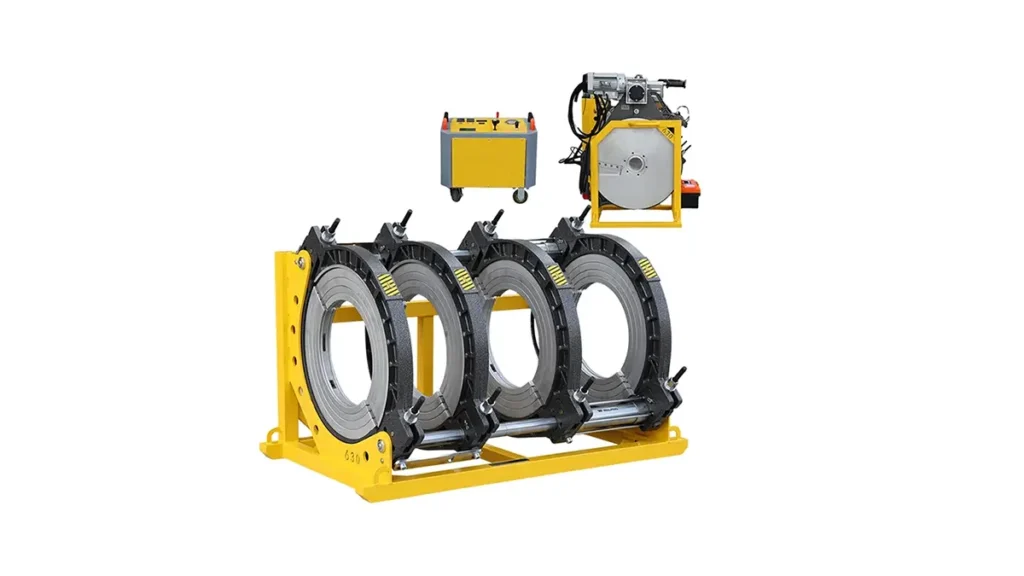
The U.S. market for HDPE pipe installation demands reliable butt fusion welders that deliver consistent joint strength, ease of use on-site, and long-term serviceability. This guide helps American contractors, municipal utilities, and pipeline engineers choose the right butt fusion welding equipment, understand key technical differences, and find dependable manufacturing partners for projects ranging from small service lines to large-diameter transmission mains.
Overview: Why Butt Fusion Matters for U.S. Infrastructure
Butt fusion welding is the preferred joining method for polyethylene (PE) and HDPE pipelines due to its leak-free, homogenous joints and strong mechanical performance. In the United States, growth in water distribution upgrades, gas distribution networks, landfill leachate systems, and industrial piping has increased demand for machines that balance portability with precision and meet ASTM and AWWA expectations.
Who Should Use Butt Fusion Machines?
Municipal crews, pipeline contractors, utility installers, and rental equipment businesses in the U.S. require different machine capabilities. Smaller crews often favor manual or semi-hydraulic units for portability and low cost, while large contractors and fabrication shops use hydraulic or CNC-automatic systems for repeatability and higher throughput.
Types of Butt Fusion Welders and When to Choose Them
Understanding machine types helps match purchase decisions to project needs:
Manual / Portable Units
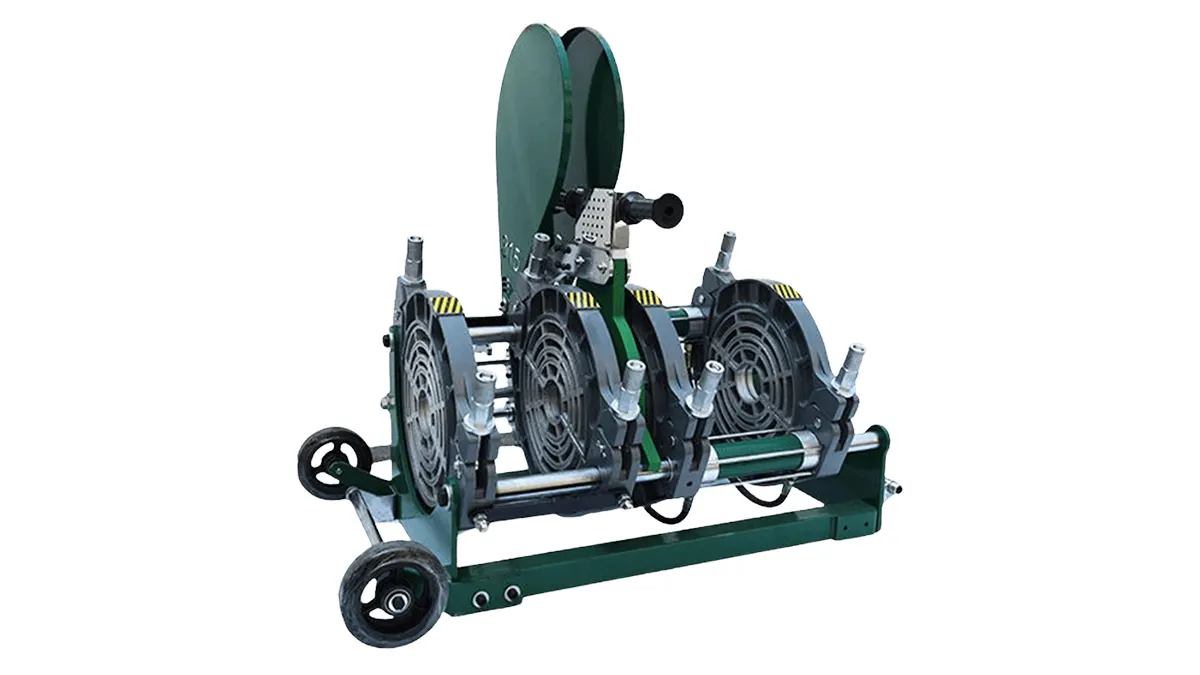
Best for short runs, service repairs, and rental fleets. Manual machines are lightweight and low-cost, ideal for tight access and small-diameter pipe (typically up to 355mm).
Hydraulic Machines
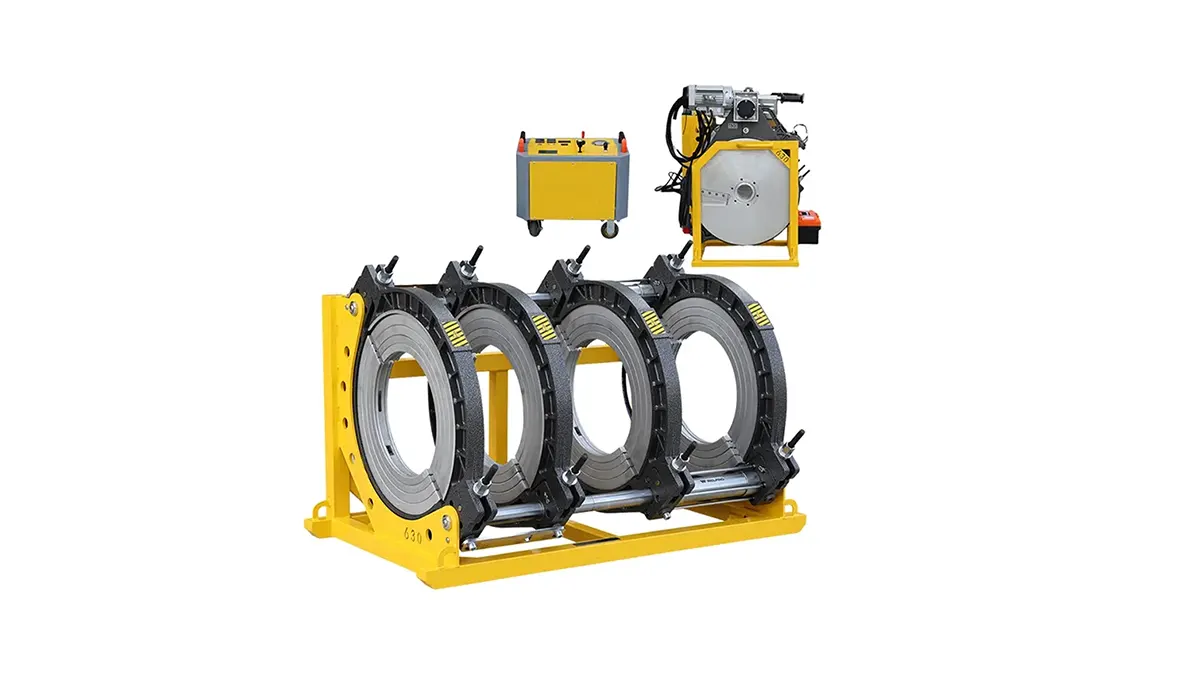
Offer greater clamping force and stability for mid to large diameters. Hydraulic stations are common for construction sites where robust performance and easier alignment are required.
Automatic / CNC Butt Fusion Machines
Provide precise control of heating, alignment, and fusion parameters—valuable for large-diameter pipelines, prefabrication yards, and projects requiring full process traceability.
Quick Comparison Table: Popular Machine Types
| Model / Type | Pipe Range | Key Feature | Best For |
|---|---|---|---|
| Manual Portable Unit | 20–315 mm | Lightweight, field-repair friendly | Service, rental, small job sites |
| Hydraulic Butt Fusion Machine | 160–2000+ mm | High clamping force, stable alignment | Long pipeline sections, municipal works |
| Automatic / CNC Welding Machine | 63–1600 mm | Programmed cycles, data logging | Fabrication yards, large projects |
Key Buying Considerations for U.S. Buyers
Compliance and Standards: Ensure machines and welding procedures align with ASTM, AWWA, and local utility specifications. Documentation and QA records make a big difference during inspections.
Traceability and Data Logging: For large projects and gas distribution contracts, choose machines with digital logging or CNC control for fusion parameter records.
After-Sales Service & Parts Availability: Quick access to spare heating plates, clamps, and hydraulic components reduces downtime—important across remote U.S. regions.
Portability vs. Productivity: Balance weight and setup time against throughput. Rental fleets and field crews often prefer lighter units; construction yards usually invest in hydraulic/automatic machines for efficiency.
Site Power and Environmental Factors
Consider generator compatibility, temperature resilience (winter fusion parameters), and transport constraints for rural or confined urban sites. Machines with robust heating elements and insulated control units perform better in cold climates common in northern U.S. regions.
Maintenance, Training, and Warranties
Routine calibration of pressure gauges, inspection of heating plate surfaces, and clamp alignment checks extend machine life. Operator training—certified by manufacturer or accredited training bodies—reduces rework and ensures safety. Verify warranty coverage and available service contracts before purchase.
Why Choose a Reliable Manufacturer
A dependable manufacturer provides consistent build quality, spare parts stocking, and technical support for fusion parameters and troubleshooting. For example, JQ-Fusion focuses on manual, hydraulic, and CNC automatic butt fusion machines across a wide pipe-size range and supports global infrastructure projects.
Final Checklist Before Purchase
Validate machine capability for your maximum pipe diameter, confirm data logging needs, assess shipping and import timelines for the U.S., request sample weld reports, and ask for references from U.S.-based projects if possible. Compare total cost of ownership rather than just the upfront price.
For U.S. buyers planning water, gas, or industrial pipeline projects, selecting the right butt fusion welder means balancing portability, automation, and serviceability to achieve safe, durable joints that meet regulatory and project requirements.



