
Choosing the right electrofusion machine supplier in Yemen is about more than price: it means ensuring reliable equipment, local support, and machines suited to the unique operational challenges across Yemen’s reconstruction, water and gas projects. This guide helps contractors, NGO procurement teams, and municipal engineers evaluate suppliers and make a decision that minimizes downtime and maximizes weld quality.
Understand Yemen’s Local Context
Power reliability, logistics, and climate are critical factors. Many job sites face unstable grid power, dusty conditions, and long transport from ports such as Aden and Al Hudaydah. Prioritize suppliers who offer robust, portable electrofusion units with flexible power options (battery, generator compatibility) and dust-resistant housings. Also look for clear shipping and customs support to avoid long delays at Yemeni ports.
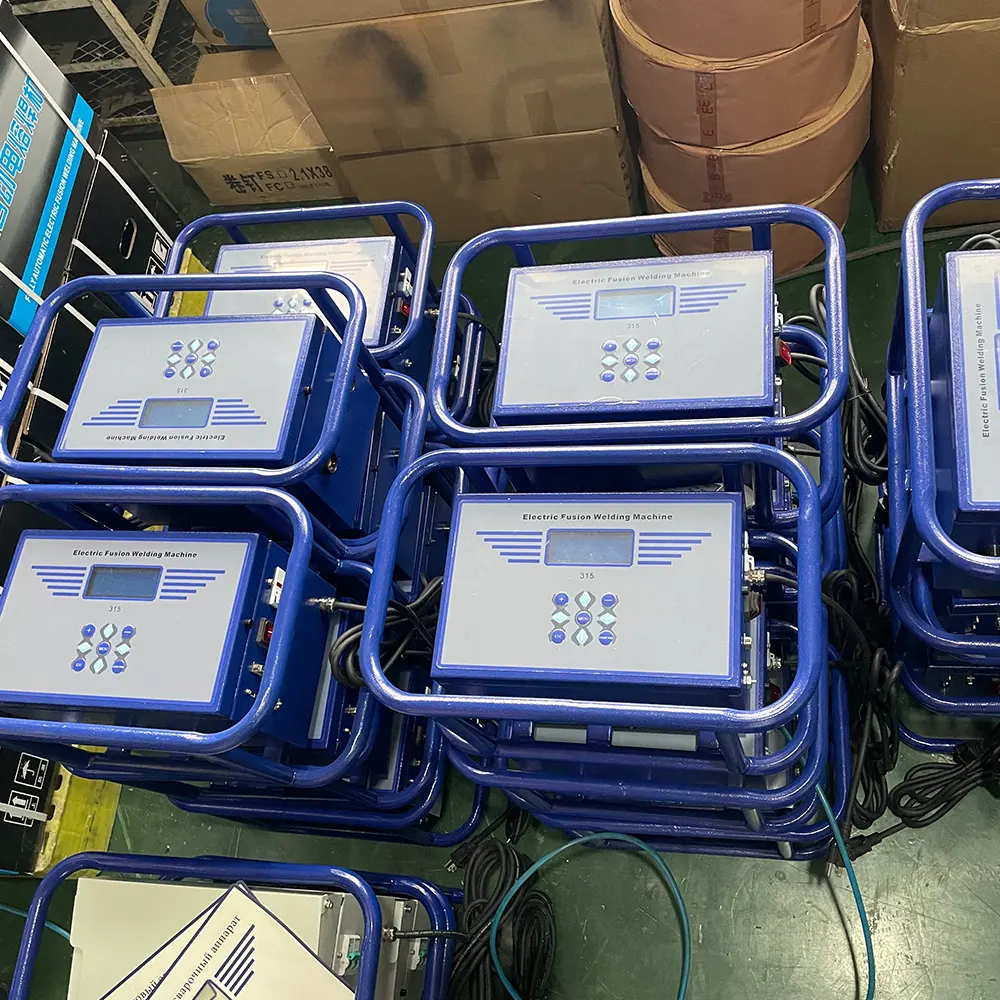
Key Technical Criteria to Evaluate
When comparing suppliers, review these machine features carefully. They directly affect weld consistency and field productivity:
• Electrofusion control quality and traceable weld logs (important for audits and long-term infrastructure projects).
• Compatibility with common HDPE pipe SDRs and nominal sizes used in Yemen’s water & gas networks.
• Ease of use and clear multilingual interface (Arabic-friendly controls or simple icon-driven UI help local crews).
• Robust construction for dusty, hot environments and portability for remote sites.
• Certification and conformity with international welding standards for HDPE.
Supplier Service & Support (A Top Priority)
After-sales support matters more than the initial purchase price. Ask suppliers about local spares availability, on-site training, remote diagnostics, and warranty terms. For Yemen projects it’s especially valuable if a supplier can provide quick spare parts shipment or partner with regional service centers to expedite repairs.
Checklist: Questions to Ask Any Electrofusion Supplier
Use this shortlist during vendor conversations to ensure you cover operational, logistical and compliance needs:
• What pipe sizes and fittings are the machines certified for?
• Can you provide weld traceability reports and digital logging?
• What power options exist (battery, 12/24V, generator)?
• What is the expected lead time to Yemen and support for customs clearance?
• Are training sessions and Arabic manuals available?
• What spare parts are stocked and how quickly can they be shipped?
Comparison Table: How to Score Suppliers
| Evaluation Item | Why It Matters | Recommended Benchmark |
|---|---|---|
| Weld traceability | Ensures quality control & documentation | Digital logs + exportable reports |
| Power flexibility | Keeps machines running on unstable grids | Battery/generator compatible |
| Spare parts & lead time | Minimizes downtime on remote projects | Local/regional stock or fast shipment |
| Training & documentation | Improves weld consistency and safety | On-site training + Arabic manuals |
| Durability & warranty | Reduces long-term operational cost | IP-rated housings + minimum 12-month warranty |
Why Choose a Manufacturer-Focused Supplier?
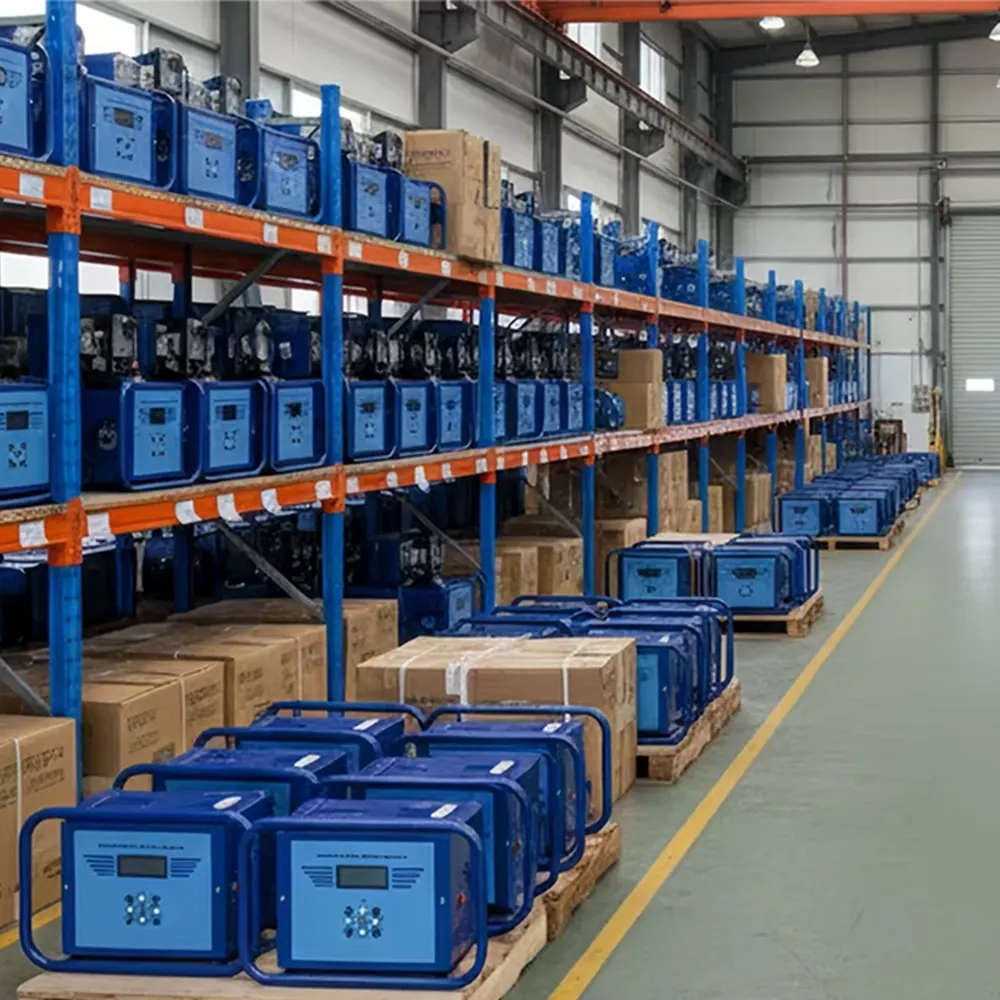
Working directly with an experienced manufacturer improves customization options and technical support. For example, JQ-Fusion manufactures HDPE welding solutions across manual, hydraulic and automatic ranges and can adapt machines for larger diameters or site-specific power needs. Opting for a manufacturer ensures access to spare parts and expertise for complex projects across Yemen’s varied terrains.
Final Buying Tips for Yemen Projects
1. Pilot a unit on a representative job before fleet purchasing to validate weld results under local conditions.
2. Prioritize training to build local welding capacity and reduce operator errors.
3. Negotiate spare parts agreements and clear shipping terms to keep machines productive during long projects.
Next Steps
Shortlist suppliers based on the table above, request sample weld reports, and schedule a technical demo focused on Yemen-specific scenarios (power interruptions, dusty sites and remote deployment). A careful procurement approach will ensure consistent HDPE weld integrity for critical water, gas, and infrastructure works in Yemen.



