
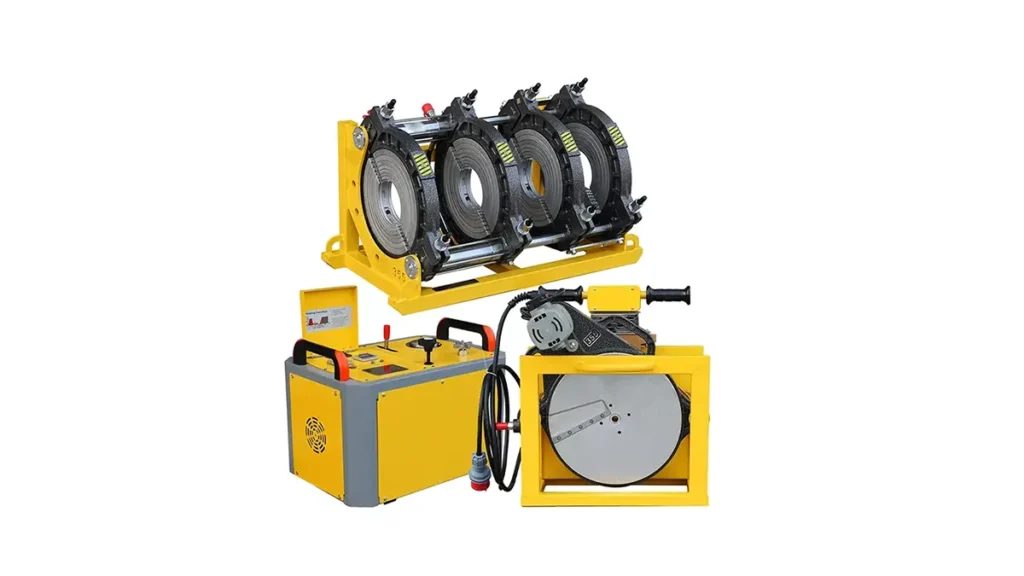
Choosing the best butt fusion welder factory for projects in Peru means balancing machine reliability, local industry needs (mining, municipal water, and rural irrigation), and after-sales support. This guide helps Peruvian contractors, engineers, and procurement teams identify the right supplier and machine types for long-term success on HDPE pipeline installations.
What Peruvian Projects Need from a Butt Fusion Supplier
Durability, wide diameter range, and fast local service top the list for Peru. Mining operations in the Andes demand large-diameter hydraulic units resistant to dust and steep-site conditions. Coastal and urban water utilities prioritize automated weld accuracy and traceable weld data. Rural irrigation projects often need portable manual units that local crews can operate with limited infrastructure.
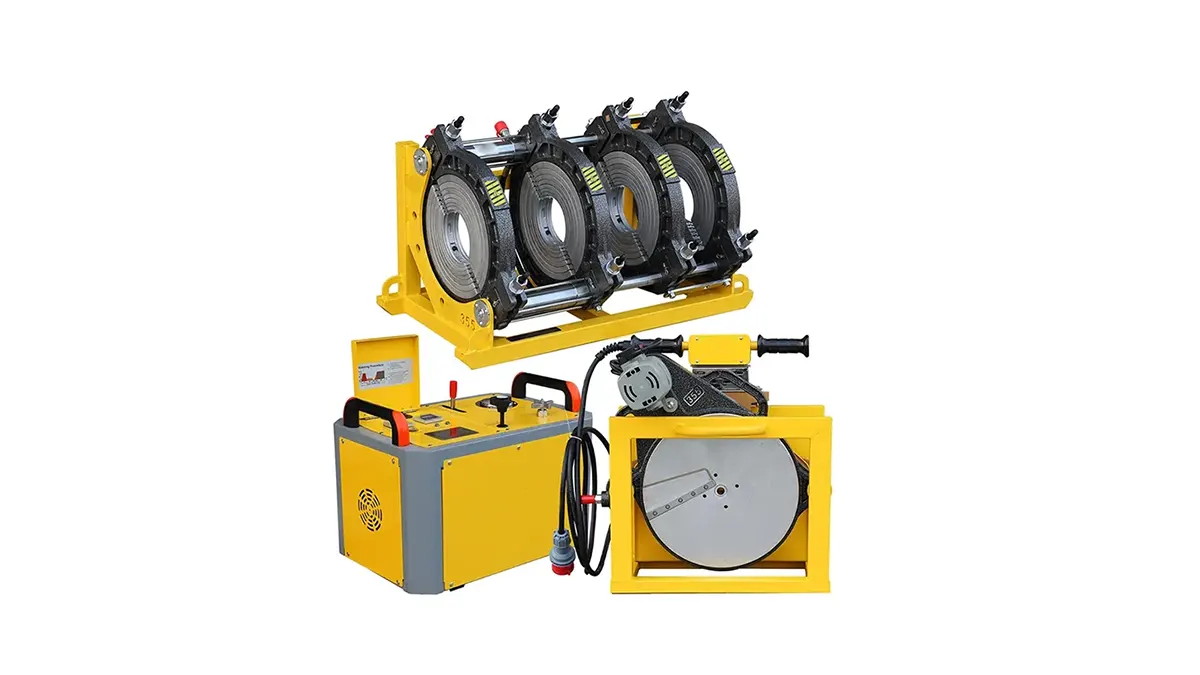
Key Selection Criteria for Buyers in Peru
Before selecting a factory or model, evaluate these factors:
1. Machine type and pipe range — manual for small-diameter and remote sites; hydraulic for mid to large diameters; CNC automatic for high-precision municipal work.
2. Spare parts and training availability — local or regional spare stock reduces downtime on remote projects.
3. Quality control and documentation — weld logs and traceability are crucial for public works and mining compliance.
4. Port and logistics experience — suppliers familiar with shipping to Callao, Matarani, or Paita help avoid customs delays.
Typical Applications Across Peru
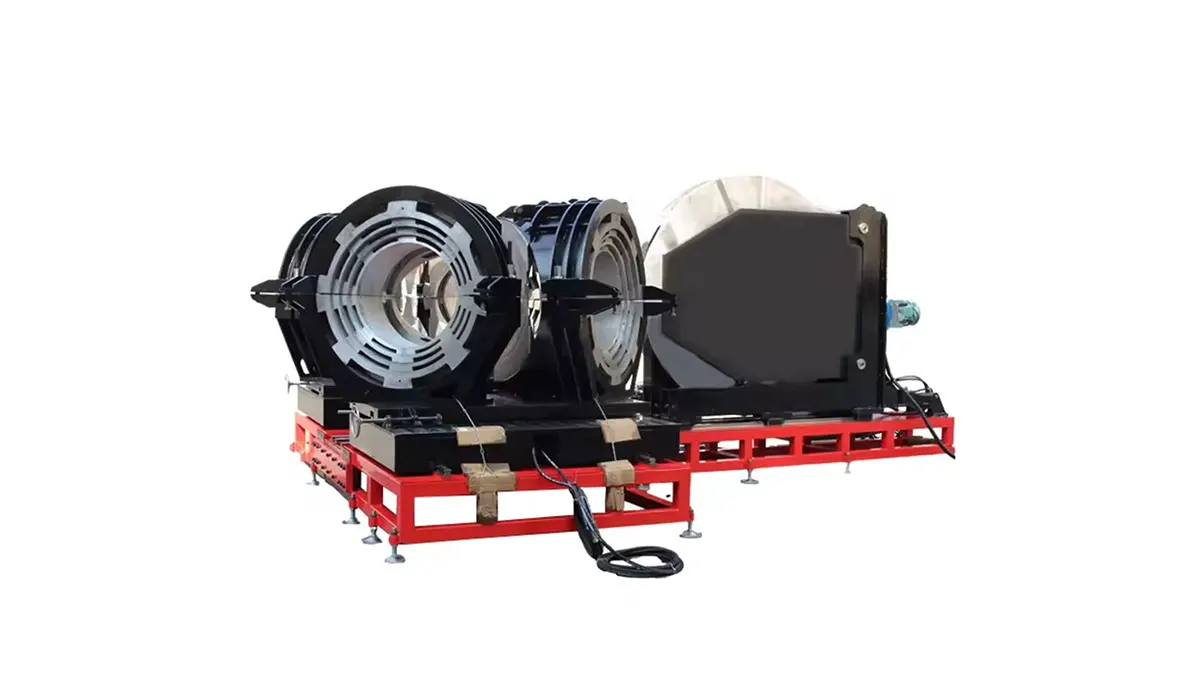
Mining: Large diameter hydraulic machines that handle heavy-duty joints and tough site conditions.
Urban water & gas distribution: Automatic butt fusion machines with digital controls and weld record export for quality assurance.
Rural irrigation & small contractors: Compact manual units and portable trimmers for fast, low-cost installations.
Quick Comparison Table — Machine Types & Suitability
| Machine Type | Best For | Typical Pipe Range | Peru Use Case |
|---|---|---|---|
| Manual Butt Fusion | Budget, remote sites | 20mm–630mm | Rural irrigation & small contractors |
| Hydraulic Butt Fusion | Heavy duty, large diameters | 160mm–2250mm+ | Mining pipelines and large municipal mains |
| Automatic / CNC | High precision & data logging | 63mm–630mm (typical) | Municipal water projects requiring traceability |
How to Verify a Factory’s Reliability
Ask for production photos, QC certificates, and sample weld reports. Confirm prior shipments to South America and references from other Peruvian or regional clients. Evaluate packaging for sea freight durability — properly crated or skid-mounted machines reduce customs damage risks.
Local Support Tips for Peru
Identify distributors with in-country stock or a regional hub in Lima. Train local operators on ISO-standard butt fusion procedures to meet municipal and mining specifications. Keep a small spare parts kit (heating plates, hydraulic hoses, clamping components) on-site to avoid work stoppage.
Cost vs. Value — Choosing Smart
Lowest price can mean higher lifecycle cost if spare parts and service are distant. Prioritize machines with modular components and clear maintenance manuals. For large contracts, invest in hydraulic or automatic lines that reduce rework and deliver consistent weld strength.
Supplier Highlight
JQ-Fusion is a professional manufacturer specializing in HDPE pipe welding machines, providing reliable butt fusion solutions for global infrastructure projects. With models spanning manual, hydraulic, and CNC automatic systems, they support applications from small irrigation lines to large-diameter mining pipelines. For product details and contact: https://jq-fusionwelding.com/
Final Checklist Before Purchase
1. Confirm pipe diameter range and duty cycle.
2. Review warranty, spare part lead times, and training options.
3. Verify export documentation and port delivery experience for Peru.
4. Request demonstration videos or on-site trials when possible.
Ready to evaluate models for your Peruvian project? Use the checklist above to shortlist suppliers, and prioritize machines that align with your project scale — from rural irrigation crews to major mining and municipal programs.



