
Pipe fusion welding equipment is the backbone of reliable HDPE pipeline installation. Whether you’re building water distribution networks, gas lines, or industrial piping systems, the right welding method and machine ensure leak-free, long-lasting joints. This guide walks through the equipment types, selection criteria, installation best practices, maintenance tips, and an ROI comparison to help contractors and engineers deliver efficient pipeline projects.
Understanding Pipe Fusion Welding
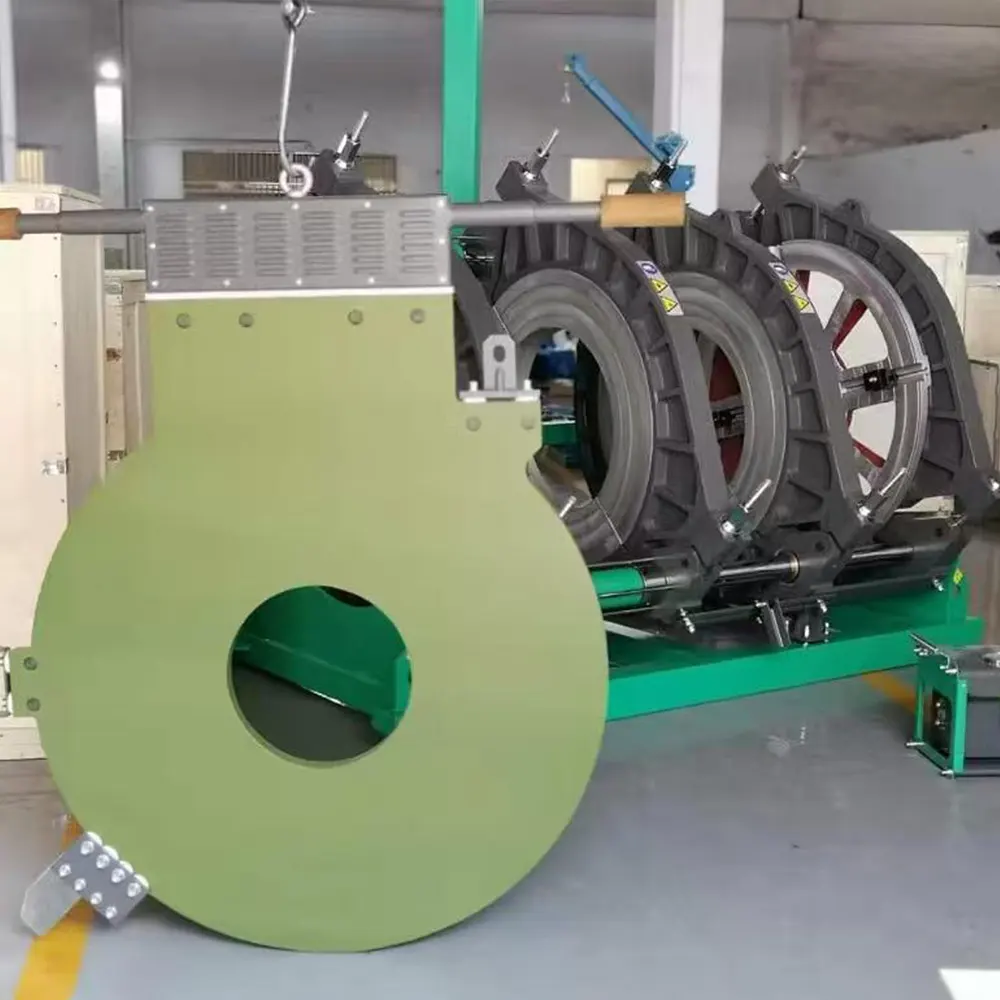
Pipe fusion welding joins thermoplastic pipes (commonly HDPE) by heating mating surfaces and applying pressure until they fuse into a continuous, homogeneous connection. The most common methods are butt fusion and electrofusion, each supported by dedicated machines designed for specific pipe sizes and field conditions.
Key Methods
Butt Fusion: Two pipe ends are faced, heated on a plate, then pressed together and cooled under pressure. Ideal for large-diameter mains and on-site assembly.
Electrofusion: Uses pre-molded fittings with embedded heating elements controlled by an electrofusion unit — great for repairs, tight spaces, and smaller-diameter systems.
Types of Pipe Fusion Equipment
Manual Butt Fusion Machines (h4)
Simple, lightweight machines for small-diameter pipes (typically up to 315mm). They are portable and cost-effective for farm irrigation, small water networks, and repair jobs.
Hydraulic Butt Fusion Machines (h4)
Provide reliable clamping and controlled hydraulic forces for medium to large diameters. They improve consistency and reduce operator fatigue on long pipelines.
CNC Automatic Butt Fusion Machines (h4)
Fully automated cycles, precise control of parameters (temperature, pressure, time), and digital traceability. Best for large projects where speed, repeatability, and documentation matter.
Electrofusion Units (h4)
Portable control units that program fitting parameters, monitor welds, and record serial numbers. Essential for utilities and trained technicians performing connections in confined areas.
Benefits of Choosing the Right Equipment
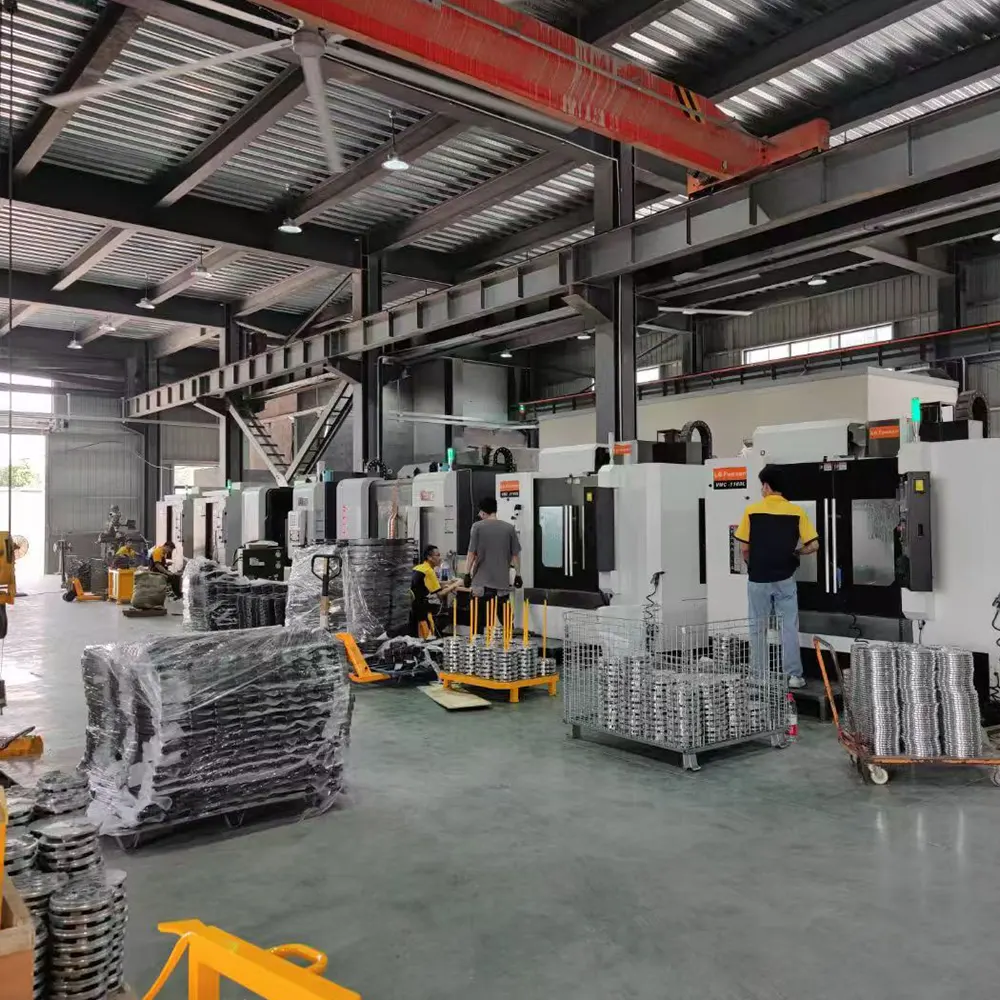
Durability: Proper fusion creates joints as strong as the pipe body, resisting corrosion and ground movement.
Efficiency: Automated and hydraulic systems shorten cycle times and reduce rework.
Safety: Modern units include controls and alarms that reduce operator risk and prevent poor welds.
How to Select the Right Machine
Match Machine to Application
Consider pipe diameter range, site mobility, project scale, and operator skill level. For repeated large-diameter welds, choose CNC automatic or heavy hydraulic frames. For repairs and small jobs, manual or compact electrofusion units are optimal.
Critical Features to Compare
Clamping rigidity, heater plate quality, control accuracy, data logging capability, and spare parts availability. Look for machines with easy-to-use interfaces and robust build quality for harsh field conditions.
Installation Best Practices for Efficient Pipeline Work
Start with clean, square pipe ends. Follow heat and pressure parameters recommended by pipe and equipment manufacturers. Use alignment guides to avoid angular misalignment. Allow full cooling time under pressure to ensure consistent weld strength. Document every weld for quality assurance.
Site Preparation
Level the workspace, protect components from wind and dust, and provide a stable power source for electrical units. Adequate lighting and safety gear improve productivity and reduce errors.
Maintenance & Safety
Regularly inspect heater plates for flatness and contamination. Keep hydraulic fluids and electronics in optimal condition. Calibrate temperature sensors and pressure gauges. Train technicians on safe handling, emergency stop procedures, and electrical safety for electrofusion units.
Procurement Tips & ROI Comparison
Balance upfront cost against productivity and lifetime performance. Higher-capacity automated machines deliver better ROI on large projects through speed and fewer rejects, while manual or electrofusion units offer low-cost flexibility for smaller-scale operations.
| Equipment Type | Best For | Typical ROI Factors |
|---|---|---|
| Manual Butt Fusion | Small projects, repairs | Low capex, slower rates |
| Hydraulic Butt Fusion | Medium-large mains | Balanced cost vs productivity |
| CNC Automatic | Large projects, high throughput | Higher capex, best long-term ROI |
| Electrofusion | Repairs, tight spaces | Lower equipment cost, consumable fittings |
Common Pitfalls and How to Avoid Them
Poor facing, contaminated heater plates, incorrect pressure, and skipping cooling times cause weak joints. Prevent issues with checklist-driven workflows, routine equipment checks, and operator training.
Documentation & Traceability
Record weld parameters, machine IDs, operator names, and environmental conditions for each joint. This data supports warranty claims and regulatory compliance on municipal and utility projects.
Want reliable fusion equipment?
JQ-Fusion offers a full range of HDPE pipe welding machines, from manual units to CNC automatic butt fusion systems, with global support to keep your projects on schedule.



