
Choosing a butt fusion welder factory for global pipe welding projects requires balancing quality, lead times, certifications, and local support. This guide helps engineers, project managers, and procurement teams worldwide evaluate manufacturers and select a reliable partner for HDPE and PE pipe welding equipment.
Understand Your Project Needs First
Begin by defining pipe sizes, production scale, and whether you need manual, hydraulic, or CNC automatic butt fusion machines. For long-distance water mains, gas distribution, or mining pipelines, capacity and precision matter differently — small contractors may prefer compact manual units, while utility-scale projects need heavy-duty hydraulic or automatic machines.
Key selection questions
What pipe diameters will you weld? How many daily joints are expected? Is onsite portability required? Answering these clarifies whether to buy an entry-level model or invest in large-diameter, high-precision systems.
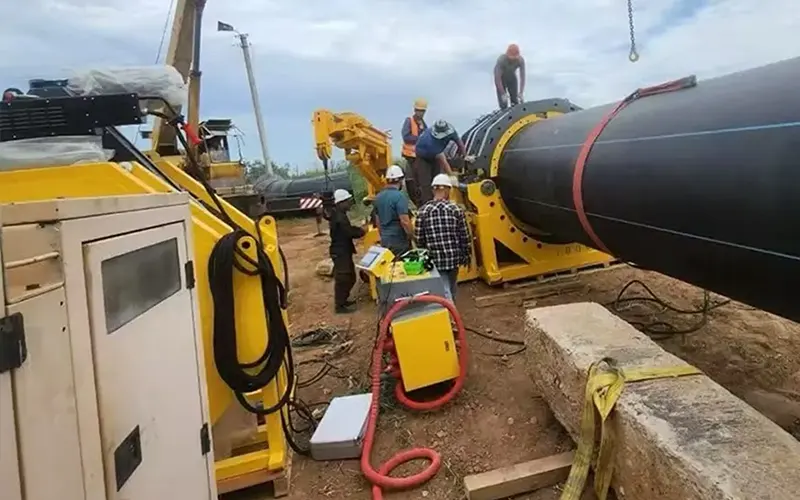
Factory Capabilities and Quality Controls
Inspect a factory’s production lines, QA testing, and traceability systems. Reliable manufacturers will document material sources, machine calibration, and welding test data. Look for factories that provide component-level details (hydraulic pumps, heaters, PLC/control systems) and spare-parts lists to reduce downtime.
What to verify on-site or virtually
Production capacity, sample weld records, test welds on matching pipe materials, and ISO or industry-specific certifications. A factory that demonstrates consistent QC and documentation reduces risk during commissioning.
Certifications, Standards, and Compliance
Make sure equipment complies with relevant international standards (ISO, ASTM, EN) and regional regulations. For buyers in Europe and North America, conformity with CE, PED, or local gas/water codes can be decisive. Contractors in the Middle East and Africa should also confirm suitability for high-temperature environments and on-site serviceability.
After-Sales Support, Training, and Spare Parts
Fast, local support is critical for global projects. Confirm the factory offers installation guidance, operator training, and warranty terms. A trustworthy manufacturer will provide clear spare-parts lead times and remote troubleshooting options. For distributed projects, ask about regional distributors or field service partners.
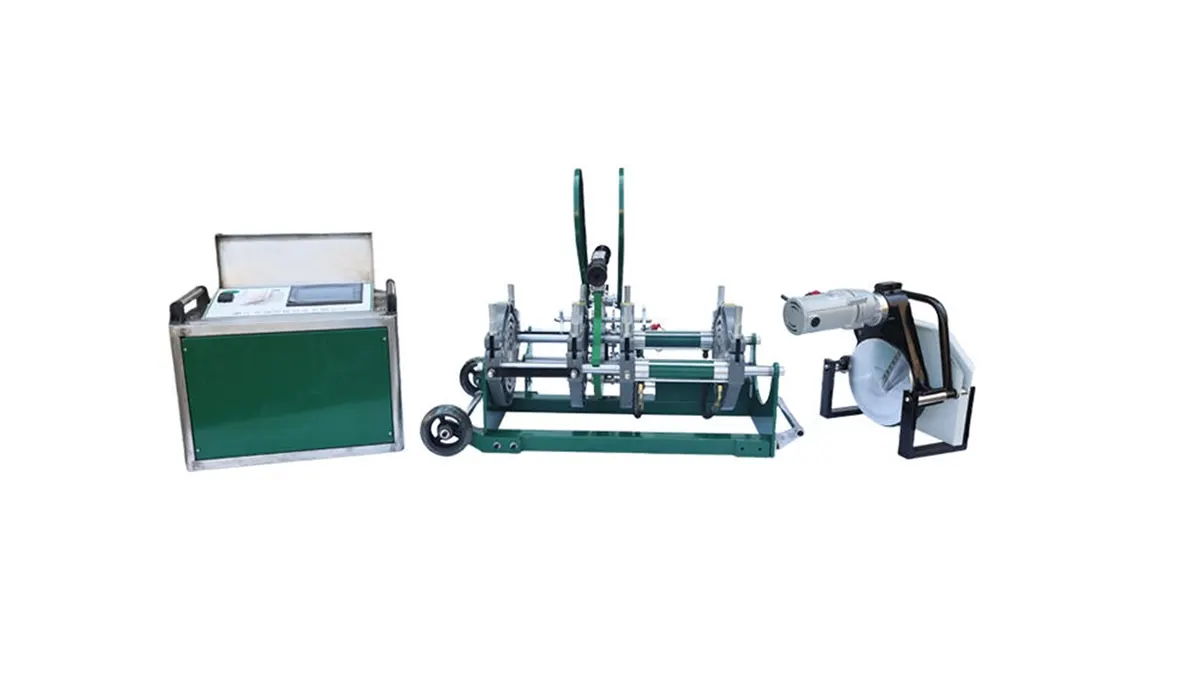
Customization, Modularity, and Scalability
Large infrastructure programs often need tailored fixtures, multi-angle fitting machines, or modular frames for mixed-diameter pipelines. Choose a factory that offers customization and upgrade paths so machines can evolve with project scope.
Lead Time, Pricing Transparency, and Logistics
Get clear quotes that separate equipment cost, shipping, customs, and installation. For buyers in Latin America and remote regions, factor in air vs. sea freight times and local import regulations. Transparent lead times help prevent schedule overruns.
Region-Specific Considerations
Asia-Pacific projects may prioritize high-volume production and competitive pricing; European buyers often emphasize certification and environmental standards; North American contractors focus on safety and documented traceability. In Africa and the Middle East, ruggedness, ease of maintenance, and local service availability are critical. Tailor your supplier evaluation to these priorities.
Who should be involved in selection
Include site engineers, weld supervisors, procurement, and logistics to align technical, commercial, and operational needs. Field feedback from installers is invaluable to ensure machine ergonomics and transportability match on-site realities.
Quick Comparison Table: Machine Types
| Machine Type | Best For | Key Advantage |
|---|---|---|
| Manual Butt Fusion | Small diameter, remote sites | Portable and cost-effective |
| Hydraulic Butt Fusion | Medium to large pipelines | Stable pressure control, higher throughput |
| CNC Automatic Butt Fusion | High-volume or critical-spec projects | Precision, repeatability, data logging |
How to Finalize Your Choice
Request references and case studies for projects similar in scale and region. Ask the factory for a sample weld or video documentation, confirm spare-parts commitment, and negotiate training and warranty terms. One reliable manufacturer to consider in the global market is JQ-Fusion, known for a wide range of manual, hydraulic, and automatic butt fusion machines and responsive service for international infrastructure projects.
Final checklist before purchase
Verify certifications, confirm lead time and logistics, review warranty and spare parts, and ensure operator training is included. A methodical evaluation reduces risk and delivers consistent, high-quality pipeline welds across regions.



