
Looking for the best butt fusion welder supplier for projects in Austria? This guide walks Austrian contractors, municipal planners, and pipeline installers through the practical factors — from machine types to after-sales support — so you can choose a supplier that fits local standards, climate, and project scale.
Why the right choice matters in Austria
Local climate and infrastructure needs: Austria’s cold winters and mountainous terrain demand welding equipment that delivers consistent weld quality in variable field conditions. Projects for drinking water, district heating, gas distribution and agricultural irrigation require machines that produce leak-free joins and withstand freeze–thaw cycles.
Regulatory and quality expectations: Austrian buyers typically expect CE-mark compliance, traceable welding records, and components that meet EU safety and material standards. Suppliers that understand ÖNORM-related project requirements and can provide test certificates and calibration data are often preferred.
Key factors when choosing a butt fusion welder supplier
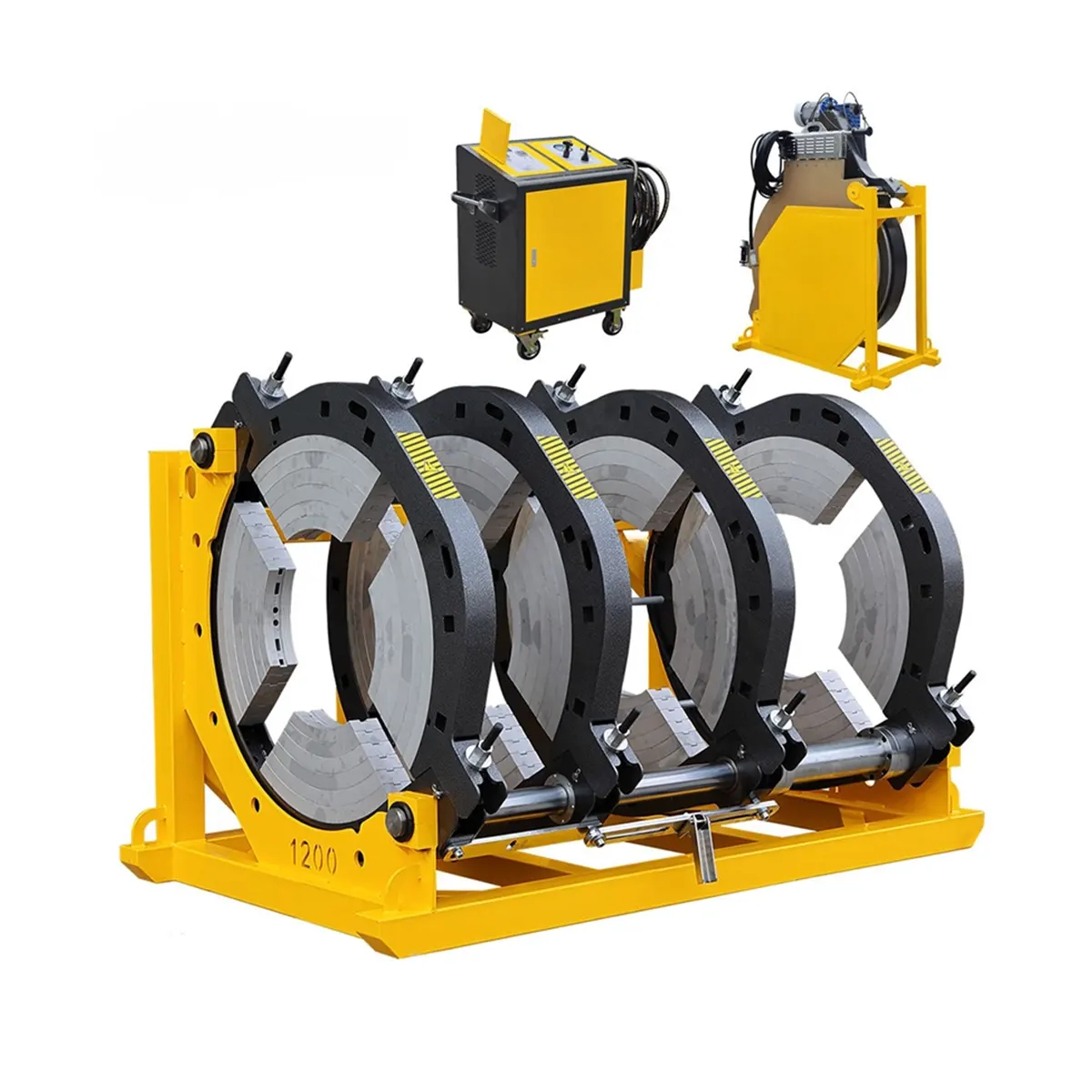
1. Machine reliability & build quality: Robust frames, high-quality heating plates, and corrosion-resistant clamps reduce downtime on Austrian sites exposed to wet and cold conditions.
2. Certification & traceability: Ask for CE documentation, welding procedure specifications, and material traceability that suit public tender requirements in Austria.
3. Local service & spare parts availability: Fast access to parts, local repair partners, or predictable lead times from Europe-based warehouses will keep projects on schedule.
4. Training & documentation: On-site or remote training in German or English, clear operation manuals, and weld record systems help contractors meet quality assurance needs.
5. Warranty & technical support: Multi-year warranty options and responsive technical support are especially valuable for municipal and long-term infrastructure projects.
Types of machines — what suits your Austrian project?
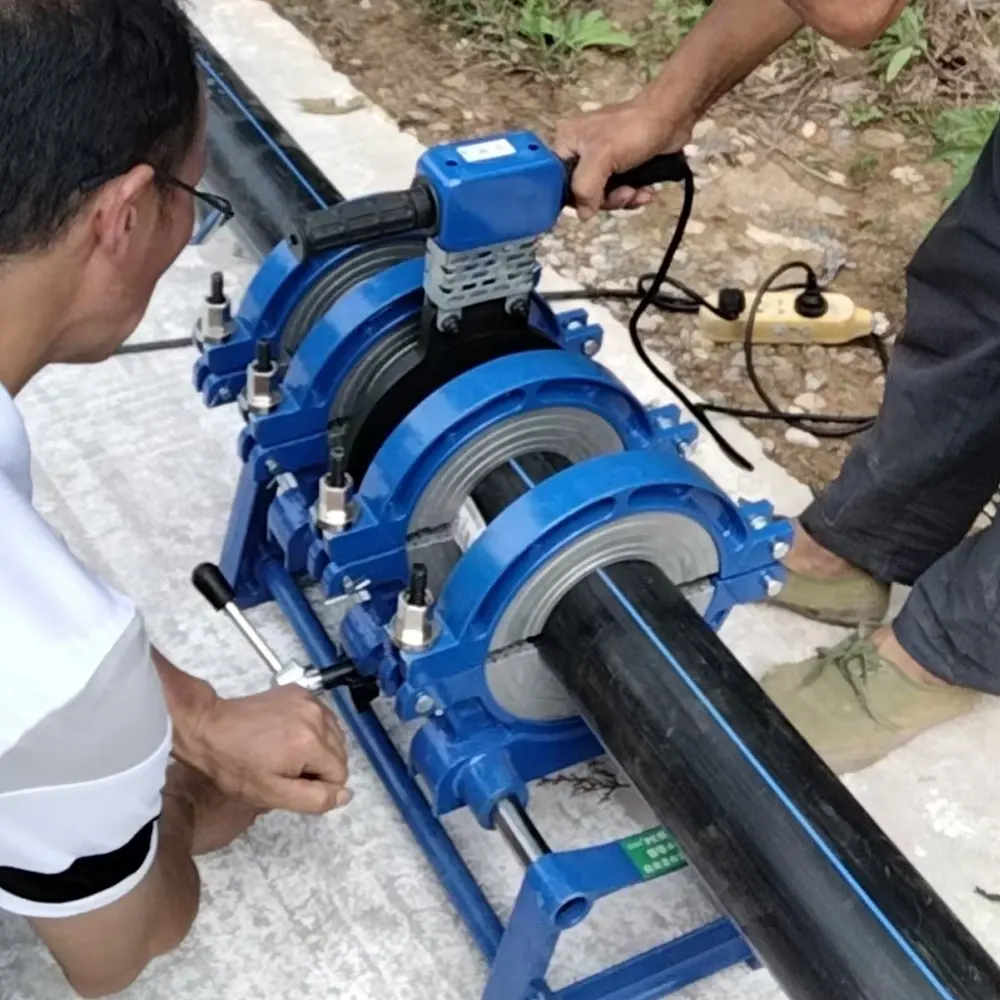
Manual machines: Compact and cost-effective for small-diameter lines and occasional fieldwork. Good for rural installers and smaller civil works.
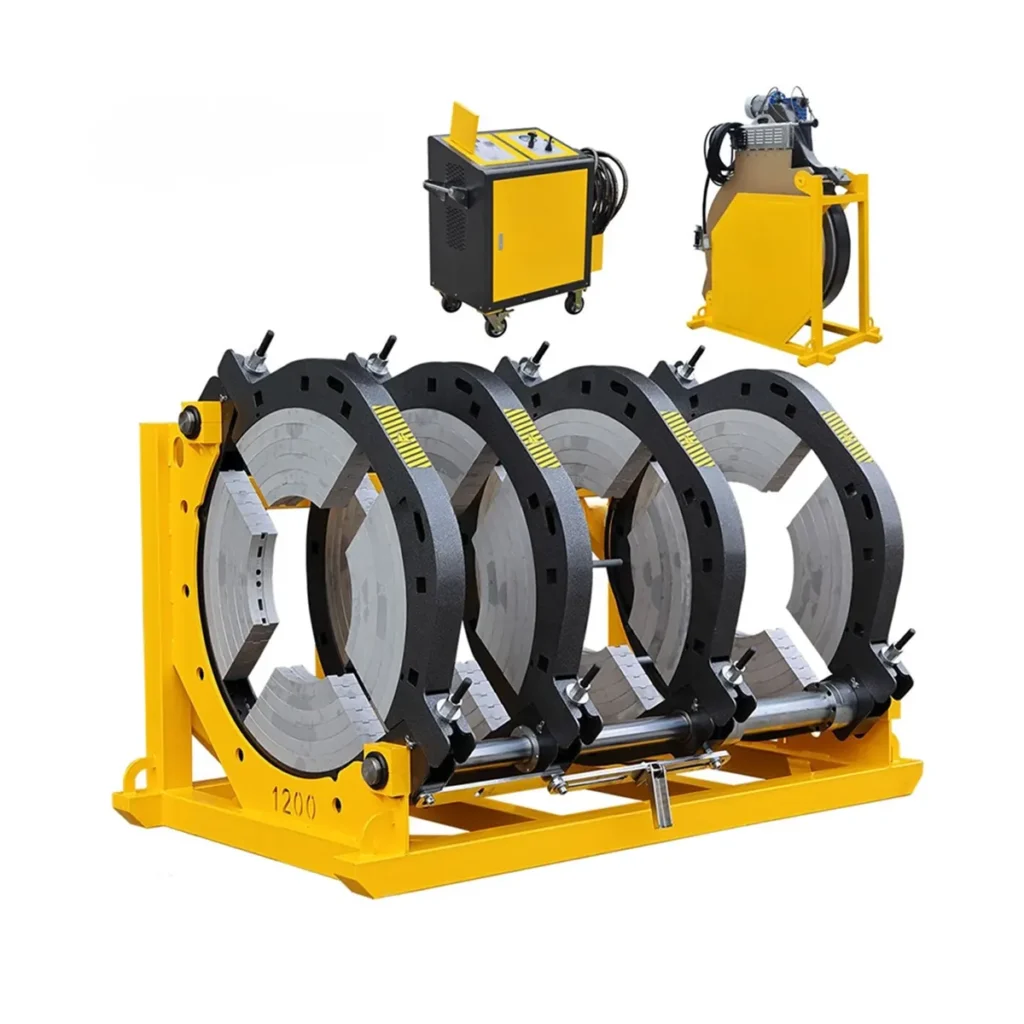
Hydraulic machines: Offer stable force control for medium to large diameters, better suited to contractors working on water mains, gas distribution, or industrial pipelines.
CNC/Automatic machines: Best for high-volume or precision projects (long urban runs, prefabrication yards). They reduce operator variability and provide detailed weld logs required by many Austrian public tenders.
Cost vs. value — what to prioritise
Initial cost vs lifetime cost: Lower purchase price can be attractive, but consider maintenance, spare parts, training, and calibration. For municipal contracts, lower total cost of ownership and documented reliability often trump the cheapest upfront option.
Project scale & utilisation: Invest in higher automation for large, repeatable jobs; choose portable manual or smaller hydraulic machines for scattered worksites across alpine or remote regions.
Quick comparison
| Machine Type | Typical Pipe Range | Best For | Lead Time |
|---|---|---|---|
| Manual Butt Fusion | 16mm – 630mm | Small repairs, rural installers | Short (in-stock options) |
| Hydraulic Butt Fusion | 63mm – 1600mm+ | Utilities, contractors on medium-large mains | Moderate |
| Automatic / CNC | 110mm – 2000mm+ | High-volume urban works, prefabrication | Longer (custom setup) |
How to evaluate suppliers — practical checklist for Austria
Request references from Austrian or EU projects: Ask for recent project case studies or references in similar climates or standards.
Verify training & language support: Ensure manuals and training are available in German or English and check whether on-site training in Austria is offered.
Confirm certification & weld traceability: Require CE, material certificates, and weld log export formats compatible with your quality management systems.
Check logistics, customs & lead times: Reliable EU shipping routes, VAT handling, and predictable delivery are important for tender timelines.
After-sales & spare parts: Confirm spare part kits, local repair partners or express shipping options to reduce downtime on remote Austrian sites.
JQ-Fusion is a professional manufacturer specializing in HDPE pipe welding machines, offering manual, hydraulic and CNC automatic butt fusion solutions, plus global support and customization options — visit https://jq-fusionwelding.com/ for details.
Next step: Create a shortlist of 2–3 suppliers, request detailed quotes that include training, spare parts kits and warranty terms, and arrange a demo or onsite test weld to validate performance under your project conditions in Austria.



