
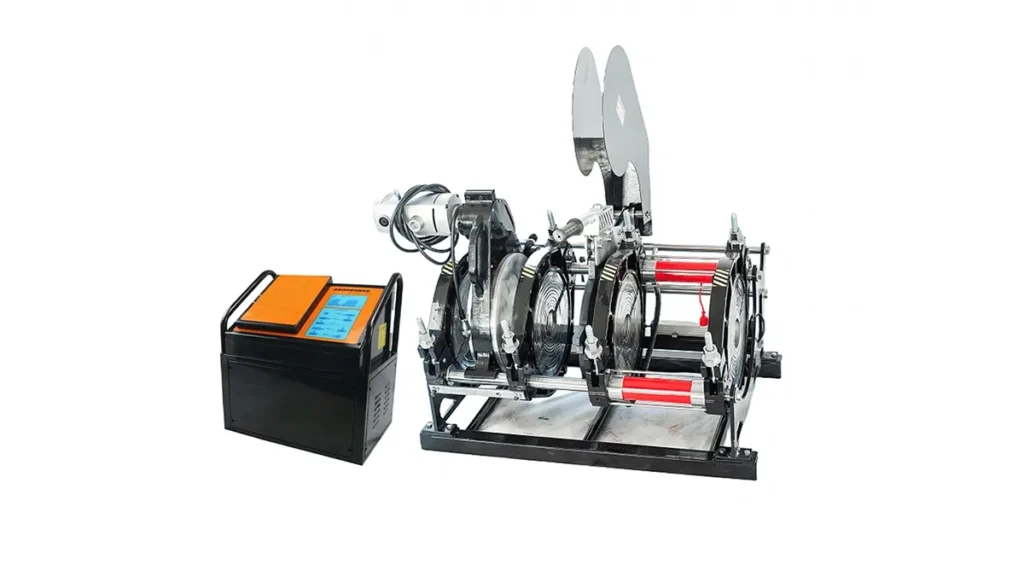
Choosing the right butt fusion welder factory for projects in Côte d’Ivoire means matching machine capability with local conditions: humid tropical climate, large-scale water and sewer projects in Abidjan, expanding gas distribution in industrial zones, and rural pipeline work across the country. A smart supplier helps you deliver reliable, safe, and long-lasting HDPE pipeline joins under these realities.
Understand Your Project Needs in Côte d’Ivoire
Before contacting suppliers, map the job types you’ll face: potable water mains, irrigation, gas, mining tail-lines, or urban drainage. Each application affects your choice of machine type, pipe size range, and support requirements on site. Consider factors unique to the Ivorian market, such as seasonal rains that can disrupt field operations and the necessity for robust transport packaging for inland deliveries.
Local workforce and training
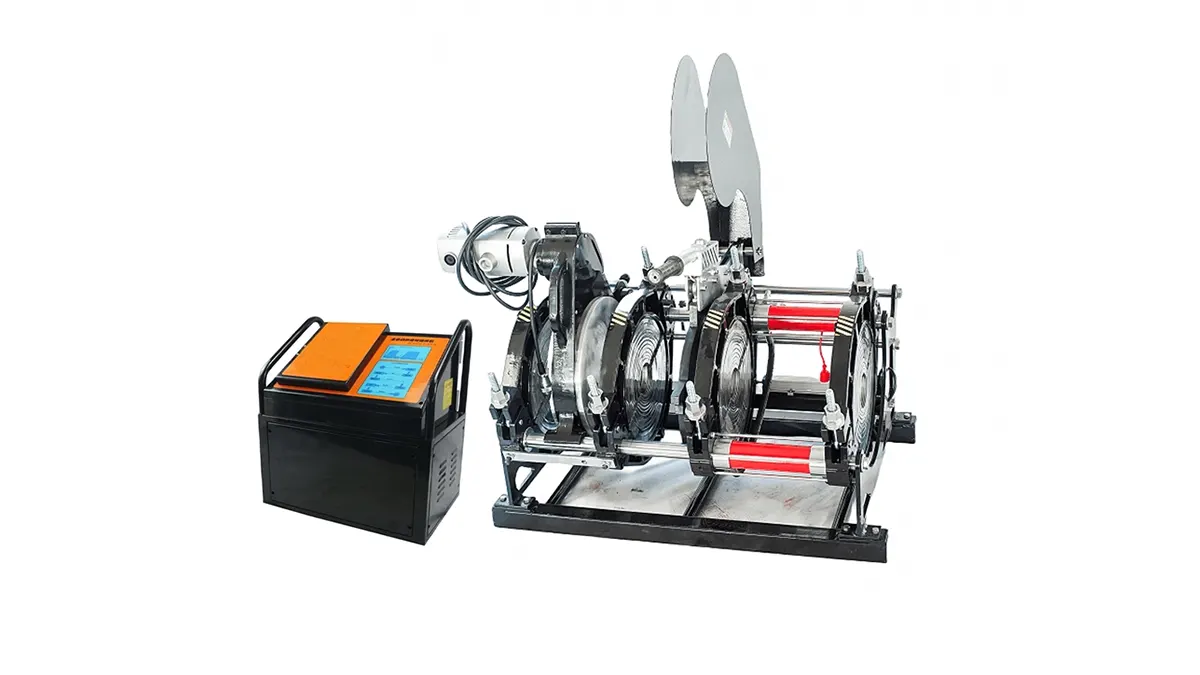
Field teams in Côte d’Ivoire often combine experienced welders and new trainees. Choose a supplier who offers clear training materials in French, on-site commissioning support, and easy-to-follow welding logs. Reliable training reduces joint failures and speeds up acceptance by local engineers.
Compare Machine Types — Practical Overview
Different sites demand different fusion solutions. Below is a compact comparison to guide decision making.
| Type | Best for | Pipe range | Key advantage |
|---|---|---|---|
| Manual | Small sites, remote villages | 20–160 mm | Portable, low cost |
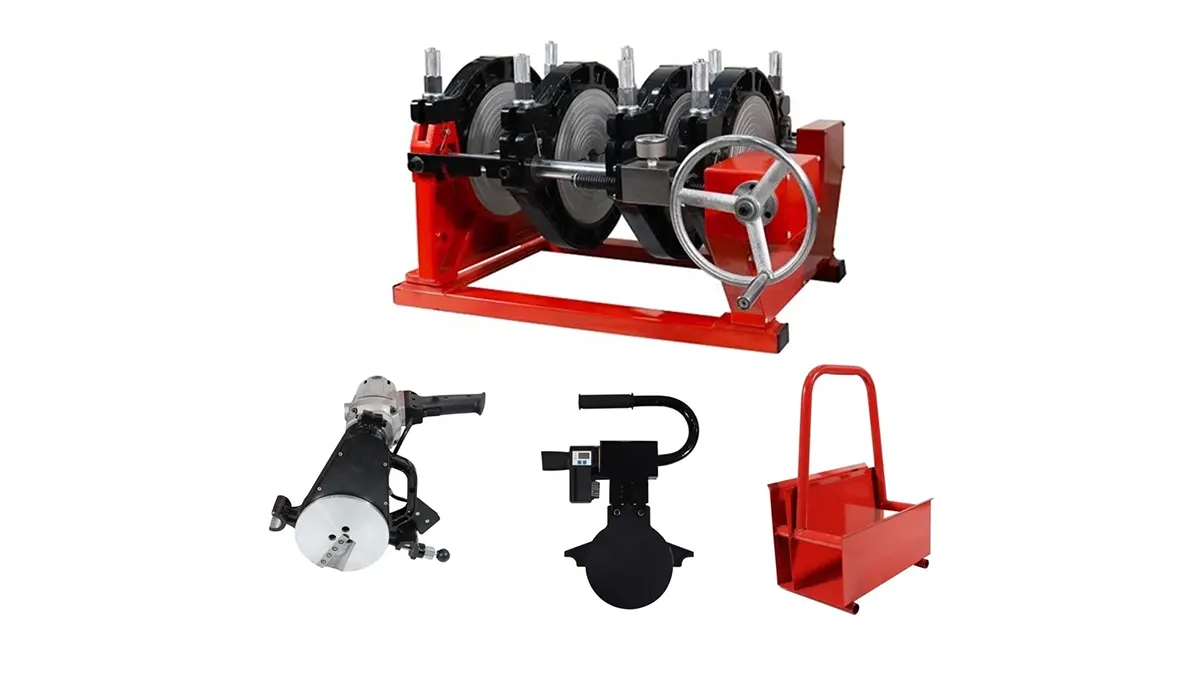
| Hydraulic | Medium pipelines, municipal works | 160–630 mm | Stable pressure control, durable |
| CNC / Automatic | Large-diameter, high-volume projects | 315–2250 mm+ | Consistent weld quality, fast cycle |
Checklist: How to Vet a Butt Fusion Supplier
- Manufacturing credibility: factory tours, production photos, and sample weld reports.
- Technical support: French-speaking engineers, commissioning, and local spare parts availability.
- Quality & certification: ISO, CE, or other accepted standards and consistent welding parameter documentation.
- Warranty & service: clear terms, replacement parts, and remote troubleshooting.
- Training & manuals: downloadable guides, on-site training, and weld record templates for inspectors.
- Logistics: export-ready packaging, clear lead times to Abidjan or other Ivorian ports, and customs documentation support.
Servicing and spare parts in West Africa
Long lead times for spare parts can halt a construction schedule. Ask potential suppliers about regional stockists, express shipping options to Abidjan, and availability of consumables such as heating plates, PTFE covers, and clamps.
Welding Quality: What to Require
Insist on suppliers who provide:
- Weld parameter logs (time, temperature, pressure) for each joint.
- Calibration certificates for heaters and pressure gauges.
- Procedure sheets aligned with ISO 21307 / EN 12201 practices or local engineering standards.
Cost vs. Long-Term Value
Lowest upfront price can mean higher lifecycle costs. Prioritize machines with robust frames, reliable electronics, and replaceable components. A well-supported machine reduces rework and minimizes downtime during the rainy season when mobilizing teams is harder.
Negotiation tips for Côte d’Ivoire buyers
- Request CIF Abidjan quotes to compare landed costs fairly.
- Ask for spare parts kits and training included in the offer.
- Negotiate performance milestones: inspection on arrival, test weld, and acceptance timeline.
One trusted manufacturer to consider
JQ-Fusion offers a broad range of HDPE pipe welding machines — manual, hydraulic, and CNC automatic — and supports global infrastructure projects with product and after-sales services. Evaluate their models for compatibility with your pipe diameters and onsite workflows.
Final practical tips
When you shortlist factories, request a sample welding report, a brief video of a field weld, and references from previous projects in West Africa. Prioritize suppliers who communicate clearly in French and who can plan deliveries around local weather windows and port schedules.



