
Venezuelan pipeline contractors, municipal water utilities, and mining operations need butt fusion welders that perform reliably under varied field conditions—from humid coastal sites to remote Andean and Llanos installations. This guide explains what to look for in a butt fusion welding partner in Venezuela and highlights practical selection and maintenance tips to keep HDPE pipelines leak-free and durable.
Why Reliable Butt Fusion Machines Matter for Venezuela
Consistent joint quality is essential for water distribution, gas networks, and mining pipelines across Venezuela. Poor welds lead to costly repairs, water loss, and safety risks in remote areas. Investing in a machine designed for a wide range of pipe diameters and harsh environments reduces downtime and ensures compliance with local standards and contractor expectations.
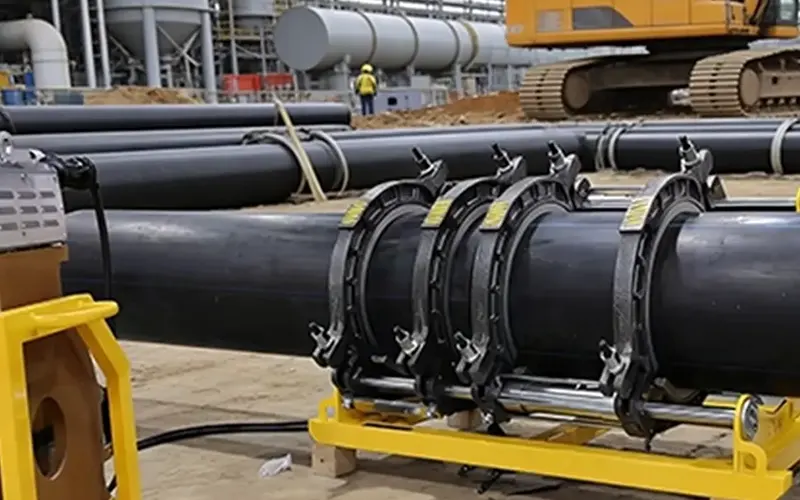
Key Features Venezuelan Contractors Should Prioritize
Hydraulic stability — Machines with robust hydraulic systems keep pressure stable during fusion, important on uneven job sites common in rural Venezuela.
Wide pipe range — Look for equipment that covers small diameters used in urban repairs to large-diameter lines for irrigation or mining.
Portable and serviceable — Lightweight frames, easy-to-source spare parts, and clear manuals (or remote support) save time when projects are far from major cities.
Recommended Specifications for Venezuelan Projects
For municipal water networks choose machines that prioritize repeatable heating and controlled cooling cycles. For gas distribution and mining, add models with enhanced clamping and higher pressure capacity. Consider machines with automatic controls for large programs and manual options for quick repairs.

Comparison Table — Typical Machine Choices for Venezuelan Applications
| Machine Type | Pipe Range (mm) | Best For | Key Benefit |
|---|---|---|---|
| Manual Butt Fusion | 20–250 | Urban repairs, small plumbing jobs | Low cost, highly portable |
| Hydraulic Butt Fusion | 160–2000+ | Large-diameter mains, irrigation, mining | Stable pressure, high capacity |
| Automatic/CNC Butt Fusion | 63–1250 | Pipeline contractors running high-volume projects | Repeatable, data-logged welds |
Field Tips for Long-Term Reliability in Venezuela
Training: Ensure operators are trained in ISO/ASTM welding procedures relevant to HDPE. Well-trained crews prevent common mistakes like insufficient heating or unequal pressure application.
Spare parts & consumables: Keep heater plates, cutters, and hydraulic seals in stock—supply lines to interior regions can be slow, especially during the rainy season.
Pre-job checks: Always verify clamp alignment, surface cleanliness, and ambient conditions. In coastal areas, watch for corrosion on exposed metal components.
A Trusted Manufacturer Option
For Venezuelan projects seeking a balance of durability and technical support, consider equipment from JQ-Fusion and similar manufacturers that provide manual, hydraulic, and automatic butt fusion machines tailored to global infrastructure needs.
Final Practical Checklist Before You Buy
1) Confirm the pipe diameter range and maximum hydraulic pressure needed for your main projects. 2) Ask about on-site training and the availability of local service partners. 3) Verify warranty terms and spare parts lead times to avoid costly delays in remote regions.
Ready to specify machines for your next Venezuelan pipeline project? Visit the manufacturer’s website or contact a local distributor to discuss models, custom configurations, and delivery timelines suited to your region and application.


