
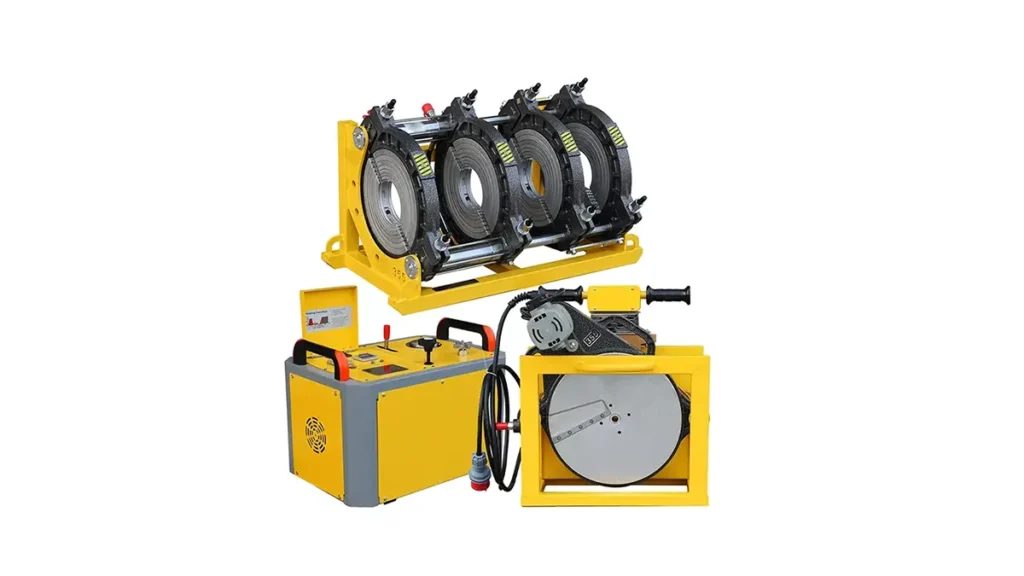
Choosing the right butt fusion welder company in Thailand can make or break a pipeline project. From municipal waterworks in Bangkok to irrigation networks in the north and gas distribution in industrial estates, Thai contractors and project owners need reliable HDPE welding machines that suit tropical conditions, local regulations, and tight schedules.
Why choose a local or regionally-aware supplier?
Local knowledge matters: Thailand’s climate (high humidity and heat), seasonal monsoons, and construction rhythms influence equipment selection, maintenance cycles, and on-site protection requirements. A supplier familiar with Thai projects will advise on rust-resistant components, proper packaging for sea freight to Thailand, and appropriate service intervals for humid environments.
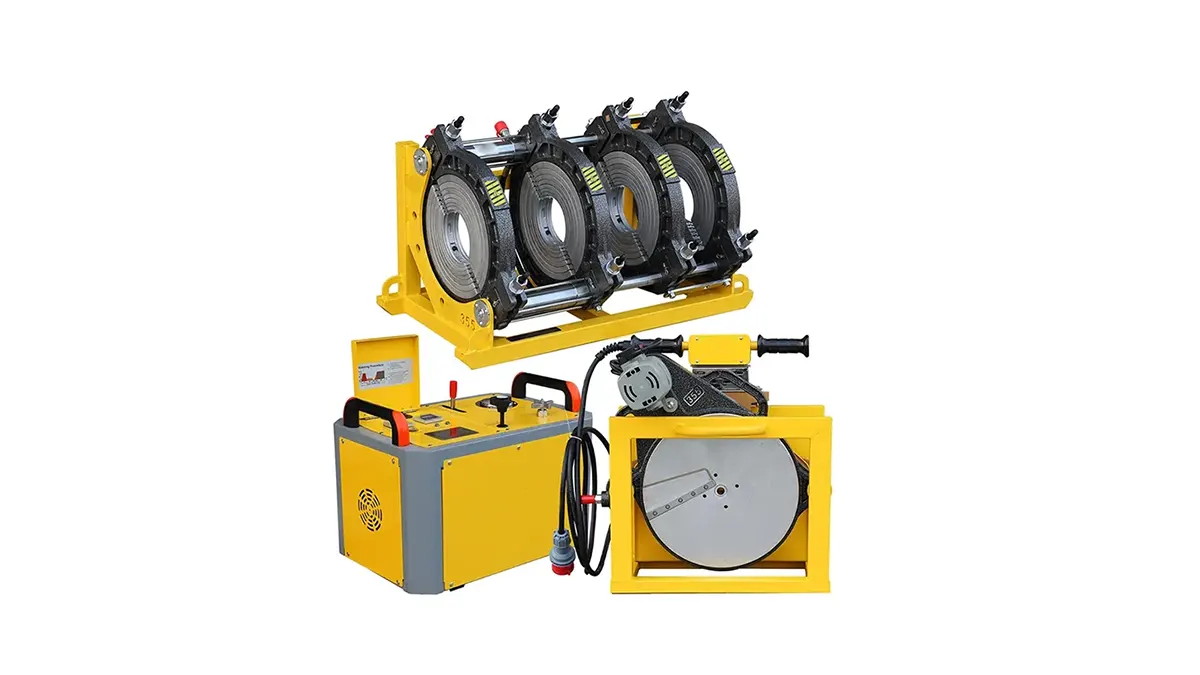
Critical supplier attributes for Thailand-based buyers
- Certifications & Test Reports: ISO, CE, and welding procedure test records (WPQR) build confidence for public tenders and private projects.
- After-sales & Local Support: Quick access to spare parts, trained technicians, and Thai/English support reduces downtime.
- Machine Range & Customization: From small-diameter manual units used in village waterworks to large hydraulic/CNC machines for industrial pipelines — ensure the supplier covers your pipe sizes and can adapt clamps or heating plates.
- Durability in Tropical Conditions: Corrosion-resistant finishes, sealed electronics, and protective covers are essential.
- Training & Certification Programs: On-site operator training and certification help meet client QA/QC demands.
Match machine type to your project
| Type | Best for | Pros |
|---|---|---|
| Manual Butt Fusion | Small rural projects, repair teams | Simple, low cost, portable |
| Hydraulic Butt Fusion | Medium to large pipelines, municipal works | Stable pressure control, higher reproducibility |
| CNC / Automatic | Large-diameter, high-precision industrial projects | Automated cycles, data logging, minimal operator variability |
Practical buying considerations in Thailand
Ask suppliers about local partner arrangements, import documentation (TIS compliance if applicable), and typical lead times to Thai ports. For contractors working on government tenders, suppliers who can provide clear compliance paperwork and pre-shipment inspection support will speed approvals. Consider total cost of ownership — spare parts, consumables (heating plates, cutters), shipping, and field training often outweigh initial purchase price.
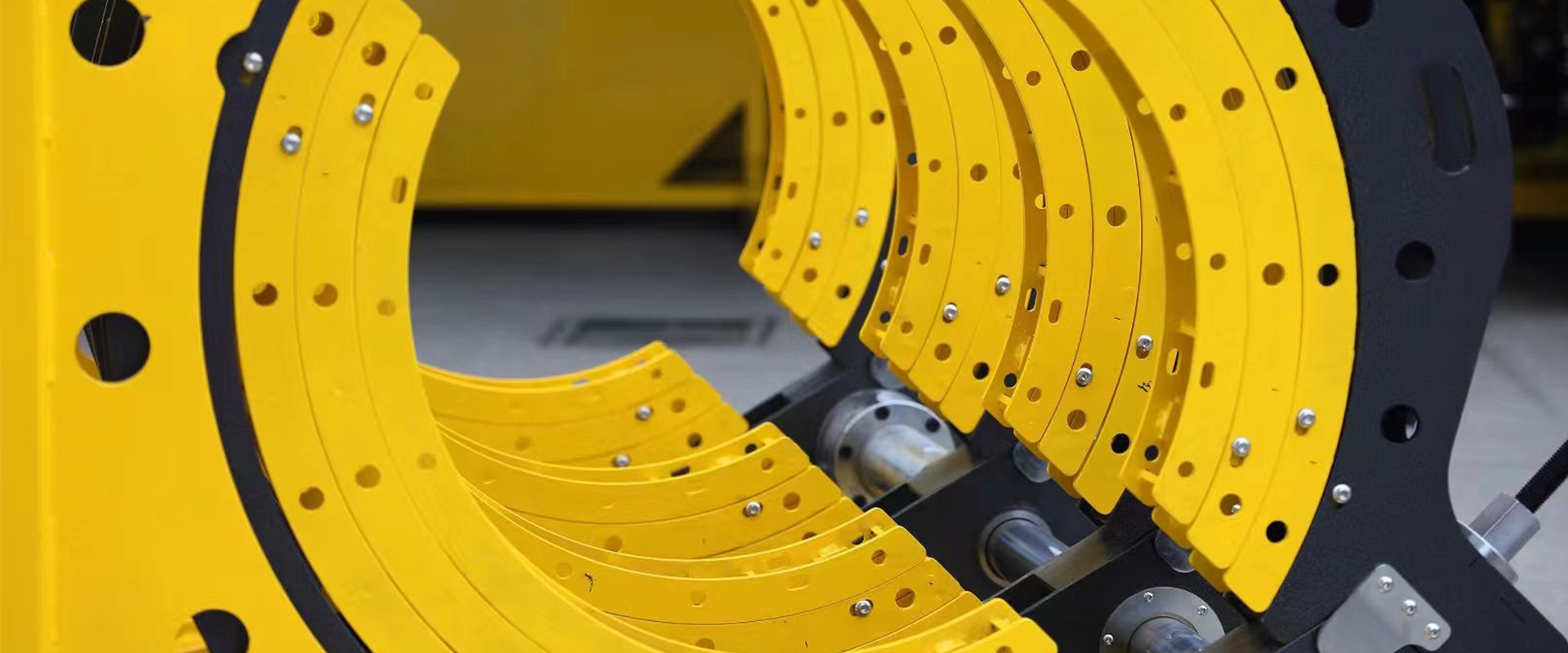
After-sales service, spare parts & training
Make sure the supplier guarantees timely spare parts and can deliver training in Thai or provide bilingual manuals. Field commissioning visits, routine calibration services, and digital manuals or welding logs (for automatic machines) are valuable features that reduce project risk.
Supplier checklist — quick reference
| Criteria | Why it matters |
|---|---|
| Warranty & Service SLA | Reduces downtime and unexpected repair costs |
| Local stock of consumables | Keeps jobs moving during monsoon seasons |
| Operator training availability | Ensures weld consistency and compliance |
| References & project case studies | Demonstrates field-proven reliability |
| Data logging & traceability (for automatic) | Important for QA in municipal and industrial contracts |
If you need a manufacturer with a broad range of manual, hydraulic and CNC automatic butt fusion welding machines, consider suppliers experienced in international infrastructure projects — for example, JQ-Fusion offers equipment ranges for small to large diameters, strict quality control and responsive service tailored to global pipeline needs.



