
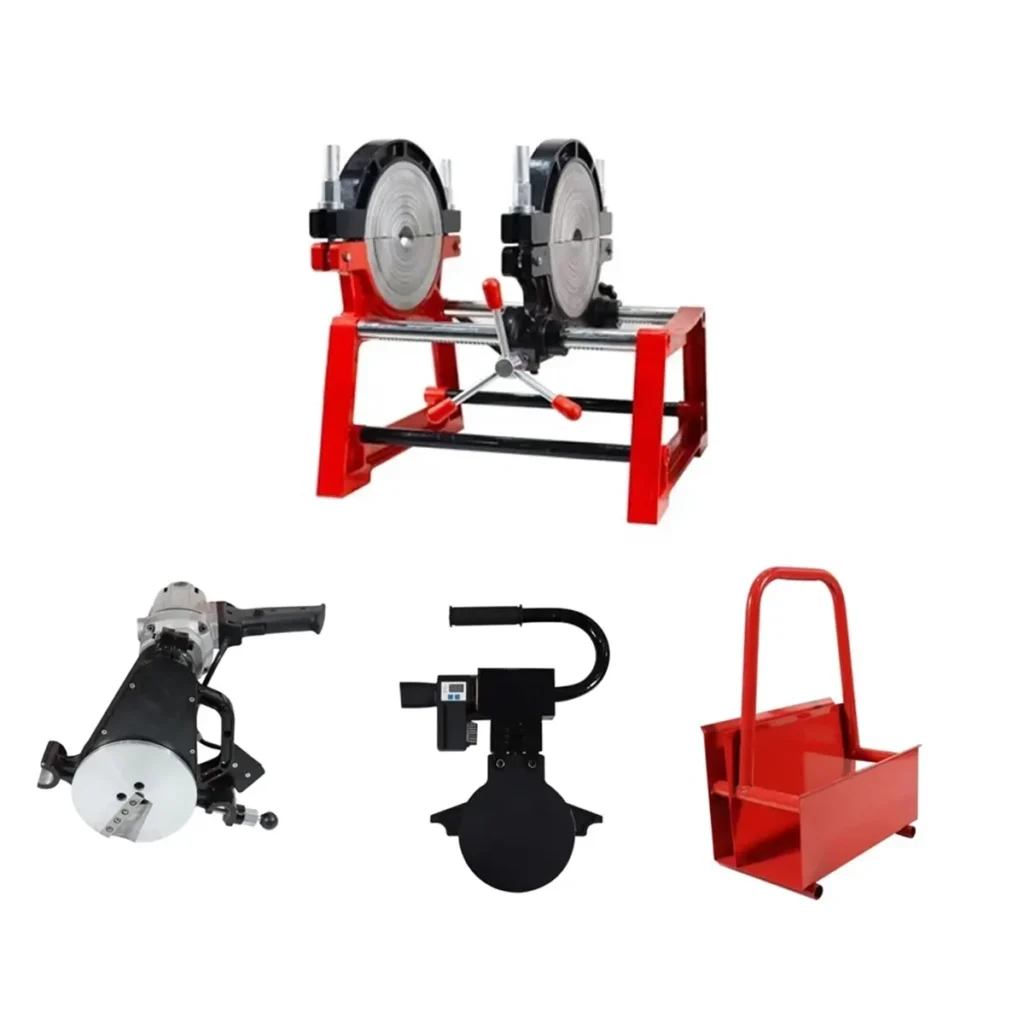
Choosing the right butt fusion welder company in Spain can make the difference between smooth pipeline installation and costly downtime. Whether you are supplying municipal water lines in Andalusia, building irrigation networks in Murcia, or supporting gas and industrial pipelines near Barcelona, knowing what to evaluate will help you secure reliable equipment and long-term support.
Why Spain needs reliable butt fusion welders
Spain’s infrastructure projects increasingly rely on HDPE pipe systems for water distribution, agricultural irrigation, gas networks, and renewable energy sites. Local contractors and public works departments look for welders that meet EU standards, survive field conditions, and reduce rework. In regions with intensive agriculture and seasonal work windows, fast commissioning and dependable service are essential.
Key criteria to evaluate potential suppliers
1. Compliance & certifications
Ask for CE marking, ISO 9001 quality evidence, and any specific UNE-EN or national approvals relevant to Spanish tenders. Compliance matters for public procurement and insurance.
2. Machine range & technical match
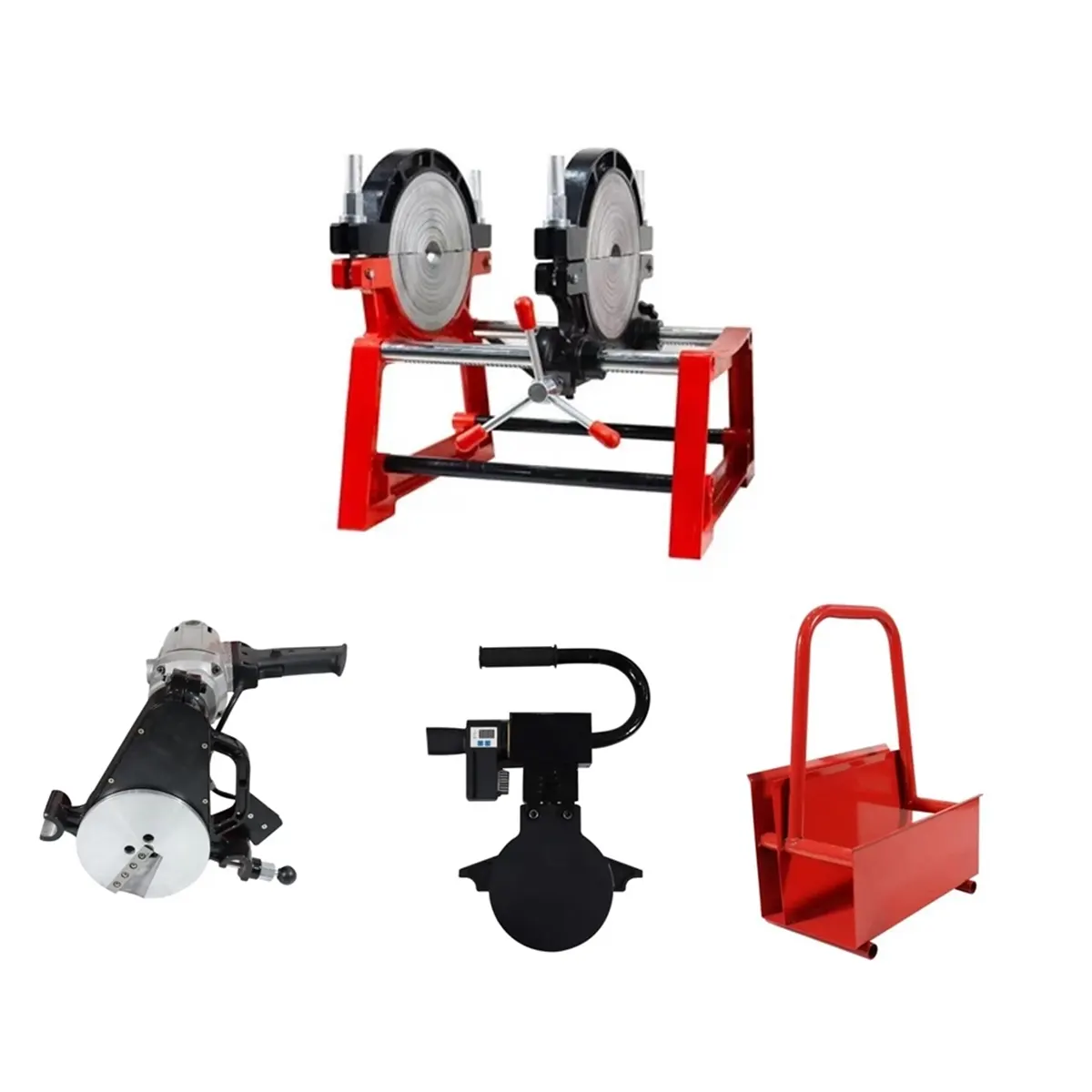
Match machine type to project scale: manual units for small repairs and rural crews; hydraulic frames for mid-range municipal pipelines; CNC/automatic machines for high-volume, large-diameter lines and contractors focused on productivity.
3. Build quality & consumables
Check heater plate quality, cutting/trimming tools, clamp materials, and spare-part availability. Durable components reduce lifecycle cost.
4. After-sales support & training
Local language technical manuals and on-site training in Spanish are a plus. Confirm response times for spare parts, service visits, and remote troubleshooting.
5. Documentation & traceability
Request welding procedure records (WPR), calibration certificates for heaters and pressure equipment, and test weld samples. These items help satisfy project QA/QC requirements.
| Machine Type | Best For | Typical Pipe Range (mm) | Field Advantage |
|---|---|---|---|
| Manual Butt Fusion | Small repairs, rural crews | 20–250 | Low cost, portable |
| Hydraulic Butt Fusion | Municipal & industrial pipelines | 63–1600 | Strong clamping & consistent pressure |
| CNC / Automatic Machines | Large diameter production, contractors | 250–2250+ | High repeatability, data logging |
Questions to ask during supplier evaluation
Can you provide recent Spanish/EU references? Real projects in Spain or nearby EU countries indicate local suitability.
What is the typical lead time and shipping route? Suppliers using Spanish ports or EU warehouses reduce customs and transit time for urgent jobs.
Is documentation available in Spanish? Contracts and training delivered in Spanish accelerate onsite adoption and reduce mistakes.
Do you offer on-site commissioning and operator training? Practical training prevents weld failures and complies with many QA programs.
Local support, spare parts & logistics in Spain
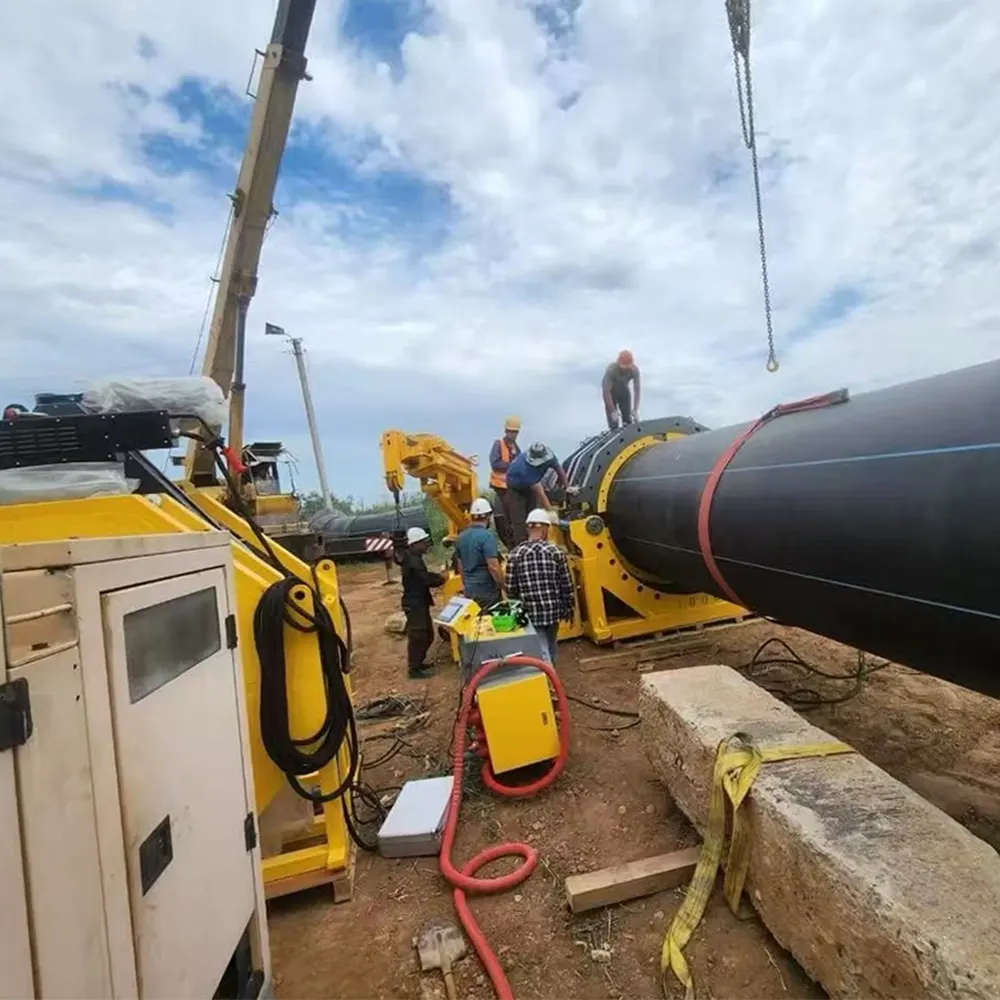
For Spanish clients, fast spare-part delivery is a key differentiator. Verify whether the supplier or distributor keeps parts in the EU or near major ports like Valencia, Barcelona, or Algeciras. Confirm warranty terms, availability of field technicians who speak Spanish, and options for remote support. For public and private projects, ask for traceable calibration records and test reports that satisfy local inspectors.
Balancing price and long-term value
Low upfront cost can be attractive, but evaluate total cost of ownership: downtime risk, consumables, recalibration, and training expenses. Prioritize vendors that provide clear spare-parts lists, affordable consumables, and practical operator training. Verify that routine maintenance items are standard parts rather than proprietary elements that inflate replacement costs.
A practical procurement checklist for Spanish buyers
1) Require CE & ISO evidence, and ask for UNE-EN compliance references. 2) Request a packing list and transit plan for delivery to a Spanish port. 3) Ask for a sample welding procedure and recent site photos or reports from Spanish/EU jobs. 4) Confirm language options for manuals and training. 5) Negotiate spare parts delivery SLA and warranty scope.
Supplier example and next steps
Consider established manufacturers with a documented portfolio of manual, hydraulic, and CNC butt fusion machines—such as JQ-Fusion (https://jq-fusionwelding.com/)—and request a tailored quote, equipment demo, and local reference list. When evaluating proposals, score each offer on compliance, support response time, spare-part logistics, and training availability.
Ready to compare suppliers? Prepare your project specs (pipe sizes, expected volumes, site conditions, and required QA documentation) and ask each supplier for a one-page implementation plan showing how they will meet Spanish regulations and timeline constraints. This approach speeds decision-making and reduces procurement risk.



