
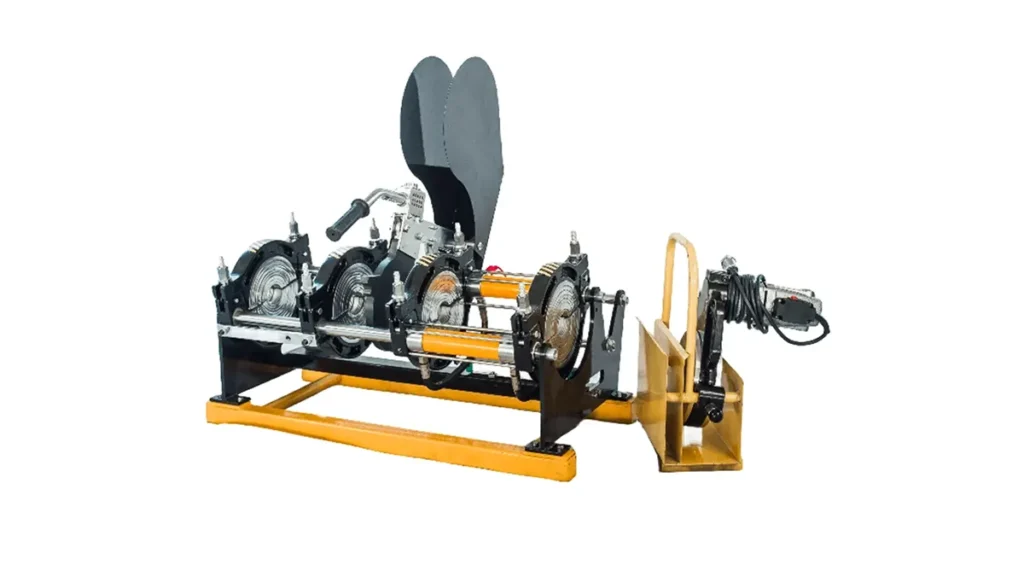
Choosing the right butt fusion welder for HDPE pipelines in Lebanon can make the difference between a durable infrastructure installation and frequent repairs. This guide walks Lebanese contractors, municipal engineers, and project managers through the key factors to consider so you can select the best equipment for your water, gas, or industrial pipeline projects.
Why Lebanon Contractors Need Reliable Butt Fusion Welders
Lebanon’s mix of urban refurbishment, coastal developments, and mountainous rural projects demands welding equipment that performs across varied conditions. Reliable fusion joints ensure leak-free water supply, safe gas distribution, and long-lasting industrial lines — essential for minimizing downtime and controlling lifecycle costs.
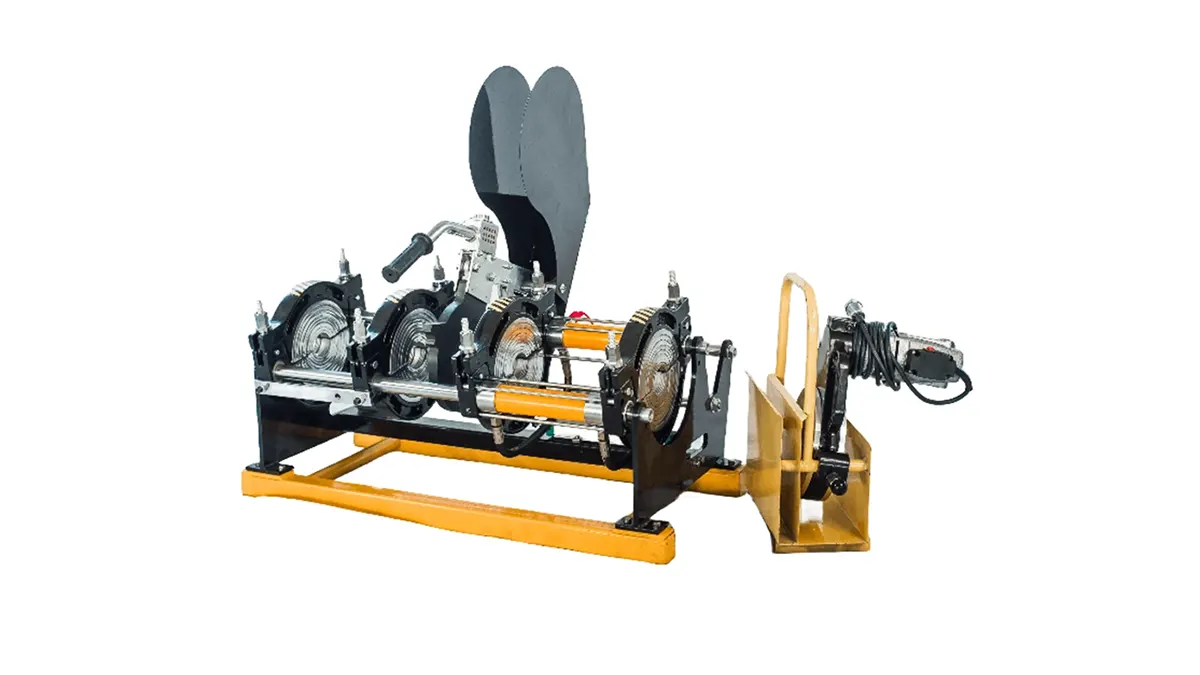
Types of Butt Fusion Welders: Which Suits Your Project?
Match the machine type to your job scope:
- Manual machines — Lightweight and portable; ideal for small repairs, onsite maintenance, and tight-access jobs. Best for teams that need mobility and simple operation.
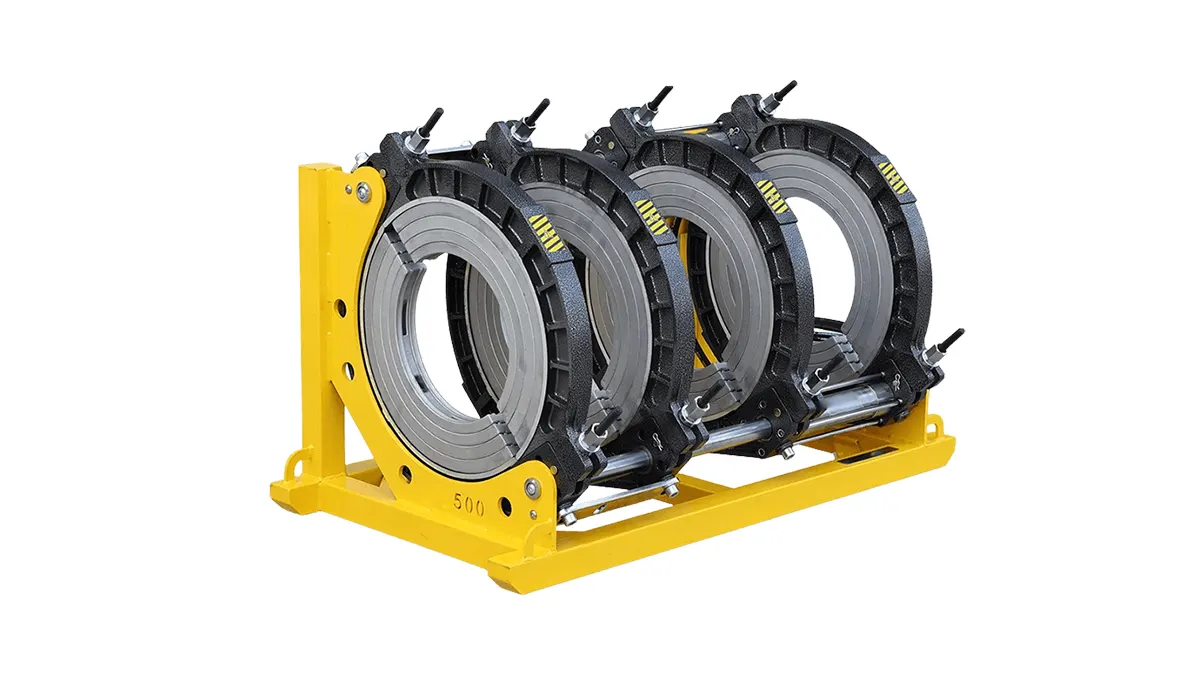
- Hydraulic machines — Provide stronger clamping and consistent pressure; suited for medium to large diameter pipes and longer, continuous pipeline installation work.
- Automatic/CNC machines — Highest precision, programmable parameters, and traceable weld records; recommended for large projects, municipal networks, and contractors who need repeatable quality and speed.
Quick Comparison Table
| Type | Best For | Pipe Size Range | Portability | Typical Use |
|---|---|---|---|---|
| Manual | Small repairs & rural works | 20mm – 400mm | High | Maintenance crews, quick fixes |
| Hydraulic | Medium to large projects | 63mm – 1600mm | Medium | Municipal pipelines, contractors |
| Automatic / CNC | High-volume and critical networks | 63mm – 2250mm+ | Low–Medium | Large contracts, traceable QA |
Key Features to Verify Before Buying
- Heating plate quality and even temperature control — consistent melt prevents weak joints.
- Clamping and alignment system — look for robust clamps that keep pipe ends concentric under pressure.
- Pressure generation and measurement — hydraulic stability or calibrated pneumatic systems matter for repeatable welds.
- Controller and data logging (for automatic machines) — traceability is critical on municipal or commercial jobs.
- Power requirements and adaptability — consider sites with unstable mains or generator use.
- Spare parts availability and local training — minimizes downtime and improves team confidence.
Field Tips for Working in Lebanon
- Coastal projects: choose equipment and consumables that resist salt air — HDPE performs well, but maintenance of metallic components matters.
- Power reliability: have generator-compatible welders or UPS for automatic units to protect weld data and cycles.
- Climate and altitude: adjust heating and soak times for hot summers or high-altitude sites to maintain fusion quality.
- Language & training: ensure operator manuals and training are provided in English and Arabic when possible for faster adoption across local crews.
- Logistics: plan for spare parts lead times and customs procedures to avoid delays on long projects.
Maintenance & After-Sales Considerations
Regular maintenance of heaters, hydraulic seals, and alignment rollers extends machine life. Insist on clear warranty terms, local technical support options, and access to consumables like heater plates and scrapers. Routine calibration of pressure gauges and controllers preserves weld integrity.
Final Recommendation
For contractors in Lebanon, choose manual units for field repairs, hydraulic welders for general pipeline installation, and automatic/CNC systems for large municipal or commercial projects where speed and traceability matter. For proven HDPE butt fusion equipment with global application experience, consider products from JQ-Fusion, which offers manual, hydraulic and automatic solutions across a wide pipe-size range.



