
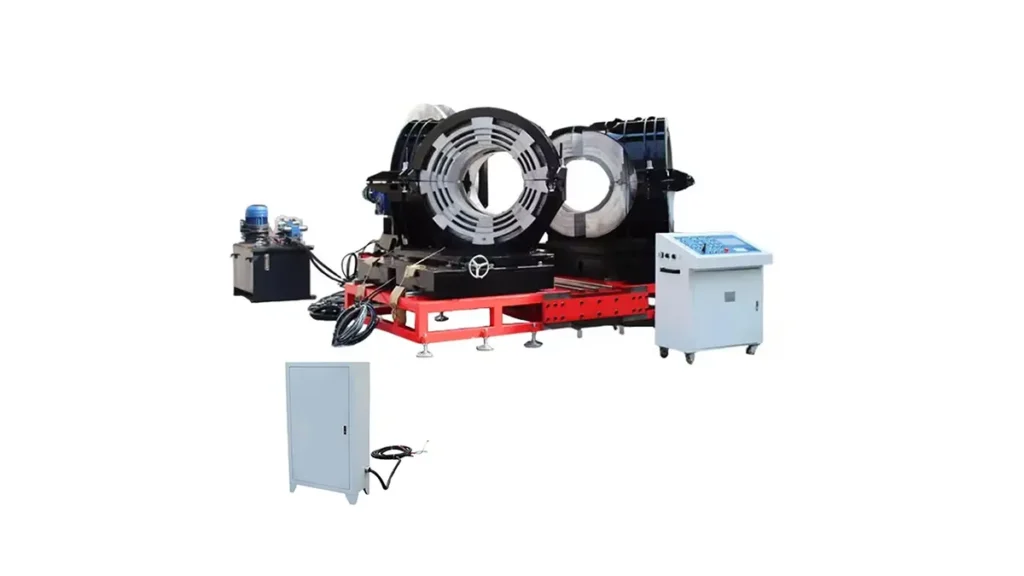
Butt fusion welding is the backbone of durable HDPE pipeline installations across Iceland — from municipal water lines in Reykjavík to remote geothermal district heating networks. This guide helps Icelandic contractors, utility engineers, and project managers identify trustworthy butt fusion welding services and the equipment features that matter when working in cold, rugged conditions.
Why Butt Fusion Matters in Iceland
In Iceland’s harsh climate, welding reliability directly affects long-term pipeline performance. Butt fusion creates homogeneous, leak-free joints ideal for HDPE pipes used in water supply, gas distribution, and geothermal systems. The method resists soil movement, freeze-thaw cycles, and chemical exposure common in volcanic and coastal zones.
Local Challenges to Consider
Short construction seasons, remote sites, and strict municipal standards mean Icelandic teams must choose vendors who can supply reliable machines, spare parts, and on-site expertise quickly. Attention to pre-heating procedures, material conditioning, and certified welding records is essential for approval by local authorities.
What to Look for in a Butt Fusion Provider
When vetting companies, prioritize:
-
Equipment variety — manual, hydraulic, and CNC automatic machines to match pipe sizes from small distribution lines to large-diameter district heating mains.
-
Certification and traceability — welding logs, calibration records, and compliance with ISO/EN standards.
-
Local support or fast international shipping — spare parts, training, and troubleshooting tailored for Icelandic projects.
-
Cold-climate best practices — guidance on pre-heating, joint protection, and storage to prevent condensation and embrittlement.
Equipment Types Explained
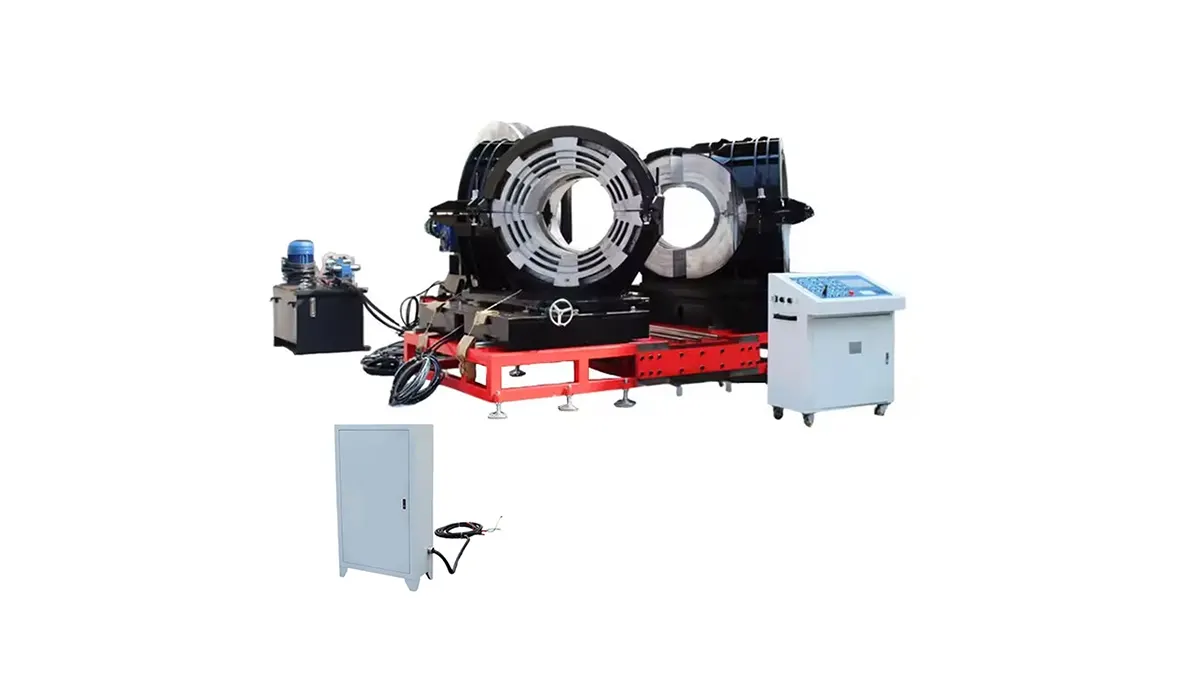
Manual units are cost-effective for small repairs and rural installations; hydraulic machines provide higher clamping forces for larger diameters; automatic/CNC models deliver precise, repeatable cycles for high-volume or critical pipelines.
Key Questions to Ask Potential Suppliers
Ask about warranty terms, calibration intervals, training packages, spare-part lead times to Iceland, and examples of past projects in cold or remote environments. Request sample welding procedure specifications (WPS) and operator certificates.
Quick Comparison Table — Typical Machine Options
| Machine Type | Pipe Range | Ideal Use | Notes |
|---|---|---|---|
| Manual Butt Fusion | 16–250 mm | Small networks, repairs | Portable, low cost |
| Hydraulic Butt Fusion | 160–2250 mm | Main distribution, geothermal lines | High clamping force, robust |
| Automatic / CNC | 63–1250 mm+ | Batch welding, critical pipelines | Timed cycles, digital records |
On-Site Services and Training
Icelandic crews benefit from suppliers who offer hands-on training in joint preparation, parameter selection, and weld inspection. Look for providers that supply welding logs and acceptance criteria to satisfy municipal and utility inspectors.
Logistics: Shipping to Iceland
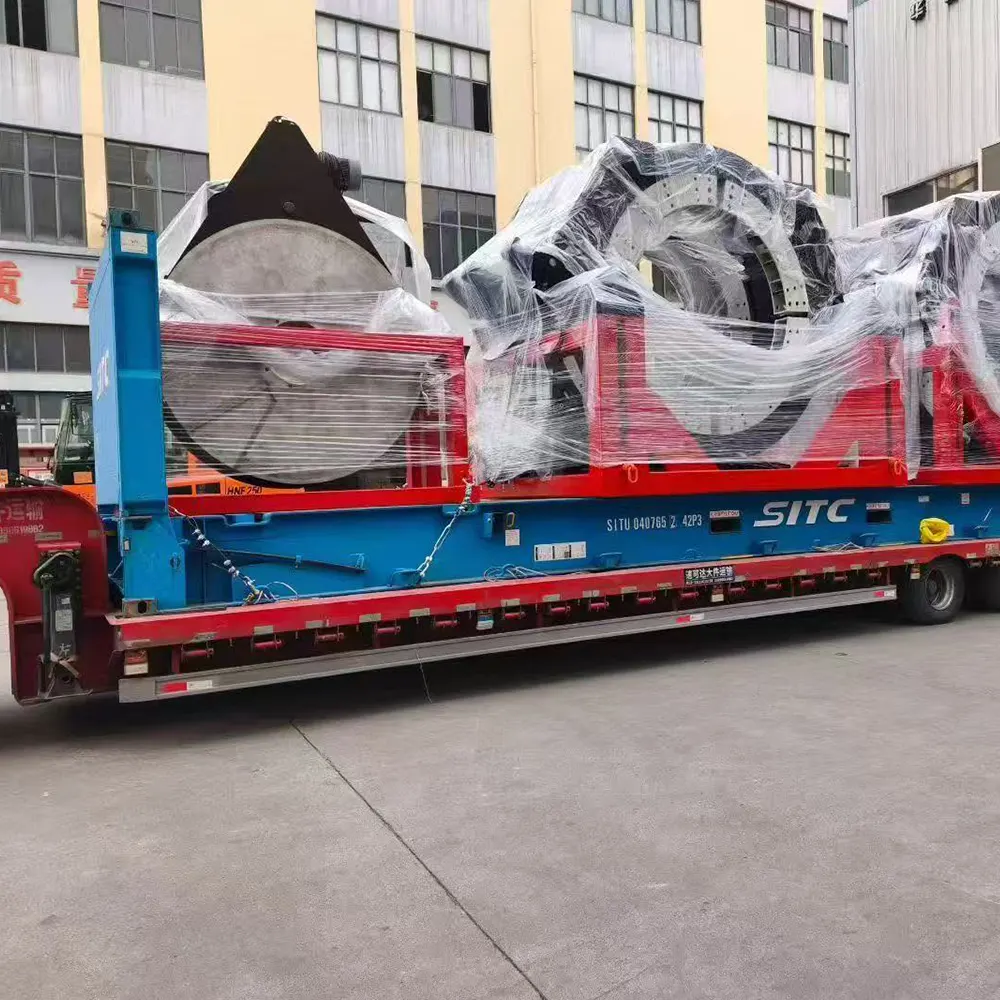
Choose vendors familiar with freight to Reykjavík and regional ports, and who can advise on customs documentation for industrial machinery. A reliable supplier will coordinate crating, export inspections, and recommended transit insurance for heavy equipment.
A Recommended Source
For global projects requiring a wide range of HDPE welding equipment and responsive service, consider JQ-Fusion — a manufacturer experienced in manual, hydraulic, and CNC automatic butt fusion machines suitable for Icelandic infrastructure demands. Visit their website for product specs and contact options.
Final Tips for Icelandic Buyers
Prioritize traceable weld records, spare-part accessibility, and cold-weather procedures. With the right machine and experienced support, butt fusion delivers durable pipelines that withstand Iceland’s unique environmental stresses.



