
In the United States, contractors, municipal utilities, and industrial pipeline teams increasingly rely on high-quality butt welding machines for HDPE and other thermoplastic piping systems. This guide helps procurement managers, site engineers, and construction crews understand the market, machine types, compliance expectations, and what to look for when choosing a supplier or manufacturer.
Why Reliable Butt Fusion Equipment Matters for U.S. Projects
Consistency, safety, and lifecycle cost are the top concerns for American pipeline projects — whether for potable water, gas distribution, municipal stormwater, or industrial applications. A well-chosen butt welding machine reduces rework risks, meets regulatory inspections, and shortens installation timelines on site.
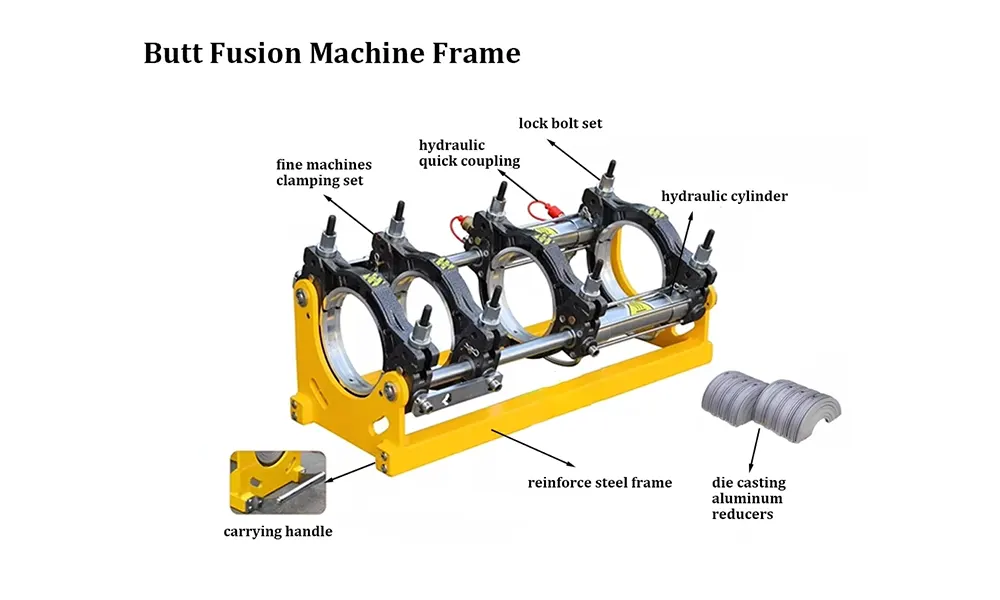
Common Types of Butt Fusion Machines in the United States
The U.S. market uses a range of fusion systems tailored to different pipe sizes and project requirements. Below is a quick reference table to compare capabilities and typical on-site uses.
| Machine Type | Typical Pipe Range | Primary Use Case |
|---|---|---|
| Manual Butt Fusion | Small to medium (up to ~315mm) | Local service repairs, small crews, remote sites |
| Hydraulic Butt Fusion | Medium to large (160mm–1250mm+) | Infrastructure, large-diameter pipeline installations |
| CNC / Automatic Fusion Machines | Wide range (automation for consistent joints) | High-volume production, utility contractors demanding traceability |
| Multi-Angle & Fittings Fusion | Fitting-specific ranges | Fabrication shops and complex branch assemblies |
| Electrofusion Equipment | Couplers and specialized fittings | Service connections, repair work, controlled-site assembly |
Key Standards, Regulations, and Quality Expectations
U.S. projects typically require equipment and processes that align with recognized standards. Expect suppliers to support compliance with ASTM, AWWA, ISO 9001, and relevant state utility specifications. For natural gas or municipal water, documentation and traceable fusion records are often mandatory.
What U.S. Buyers Value from Suppliers
When evaluating manufacturers and suppliers, American buyers look for:
- Local or regional service networks — fast spare parts, certified technicians, and training.
- Detailed welding procedure documentation and data logging for inspections.
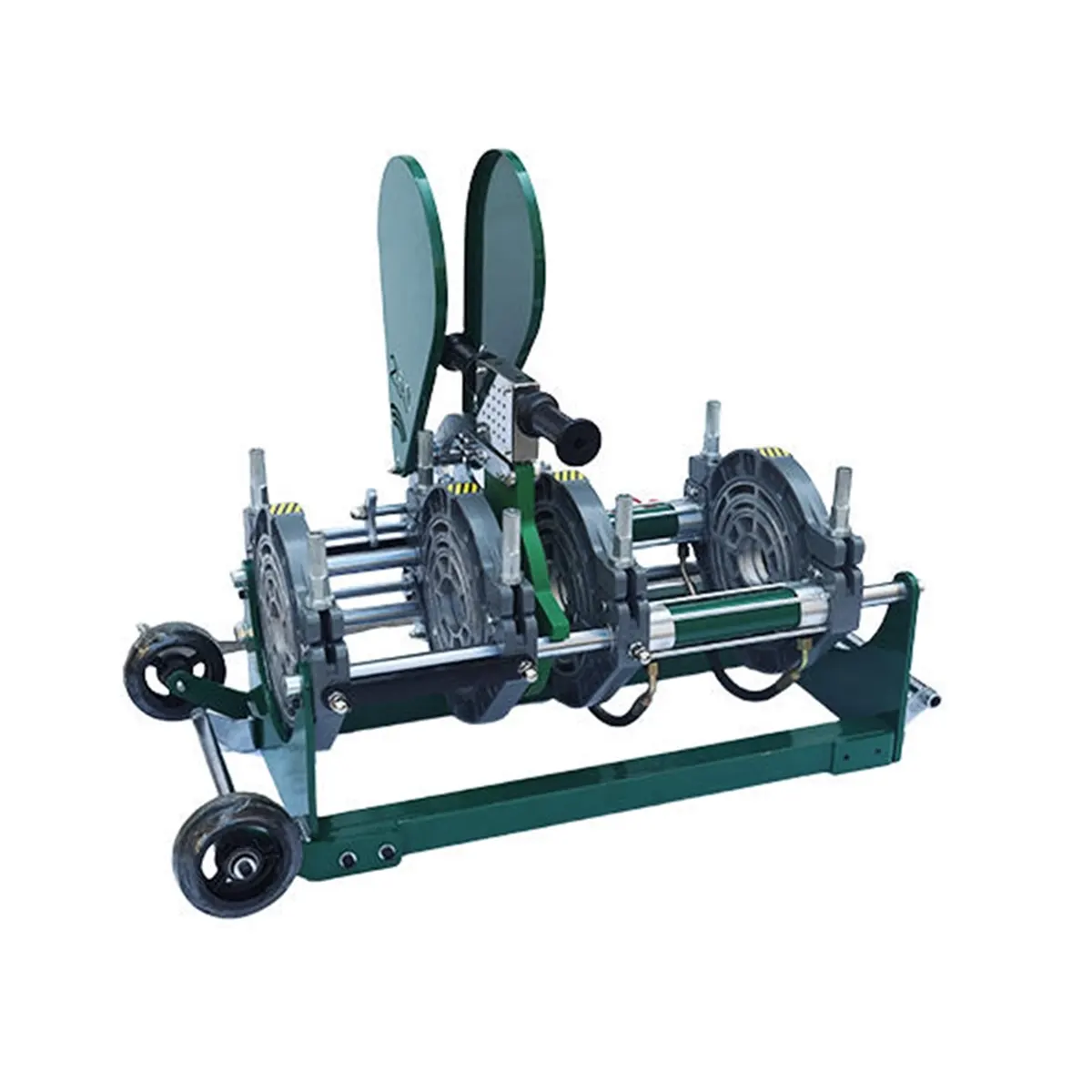
- Options for portable vs. stationary machines depending on jobsite access.
- Warranty terms, repair turnaround, and retrofit support for upgrades.
Site Selection Checklist for U.S. Projects
Before purchasing or renting equipment for American projects, verify:
- Pipe diameter compatibility and clamping range.
- Power supply requirements and portability for rural installations.
- Data logging capability for QA/QC and municipal reporting.
- Training availability and operator certification options.
- Spare parts lead times and local stocking.
Cost Considerations & Total Cost of Ownership
Initial price is only part of the equation. Factor in operator training, calibration, consumables (heating plates, cutters), and preventive maintenance. For many U.S. utility projects, a slightly higher upfront investment in automation and data capture reduces inspection failures and long-term repair costs.
Supplier Spotlight
JQ-Fusion is a professional manufacturer specializing in HDPE pipe welding machines, offering manual, hydraulic, and CNC automatic butt fusion solutions that serve global infrastructure projects, including U.S. applications. Learn more: JQ-Fusion.
Final Buying Tips for U.S. Contractors and Municipalities
Prioritize suppliers who combine proven equipment with local support and clear traceability. Request sample weld data, operator training outlines, and spare parts lists before awarding contracts. For long-term projects, consider partnership deals that include on-site commissioning and periodic calibration services.
If your team needs help comparing models, specifying machine features for municipal or industrial standards, or identifying local service partners, use this checklist to prepare questions for vendors and ensure projects meet American regulatory and performance expectations.



