
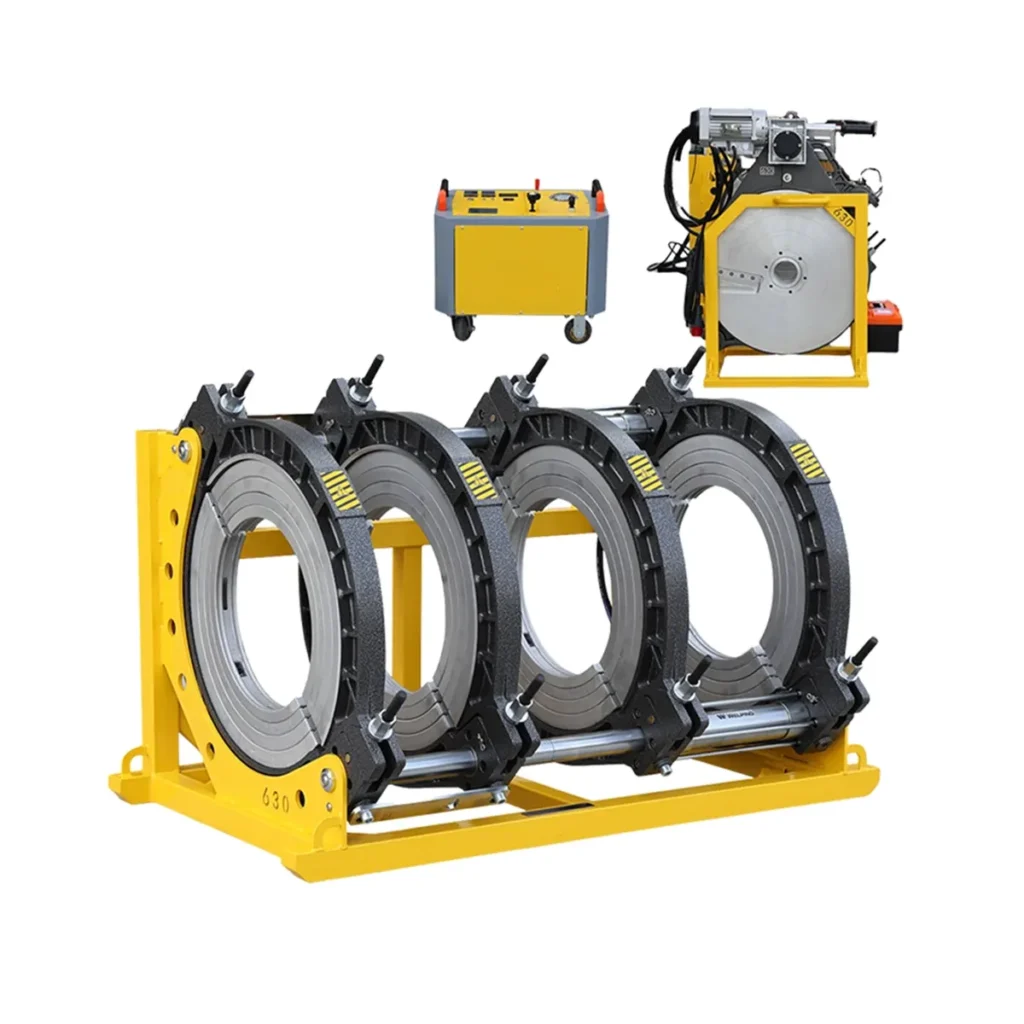
South Korea’s rapid infrastructure growth — from urban water networks to renewable energy and industrial pipelines — is driving strong demand for reliable HDPE butt fusion equipment. Choosing the right butt fusion machine wholesaler in South Korea can save time, lower lifecycle costs, and ensure compliance with local standards. This guide helps contractors, distributors, and procurement managers evaluate suppliers and select the best partner for HDPE pipe welding projects.
Why the Right Wholesaler Matters
Buying through a trusted wholesaler affects more than the purchase price. A dependable supplier ensures consistent machine quality, spare parts availability, timely technical support, and training. For Korean contractors operating in tight urban sites or cold winters, machine reliability and after-sales response are critical to meeting project schedules.
South Korea-specific considerations
When sourcing in or for South Korea, verify the supplier understands local regulations, installation sites (dense cities such as Seoul vs. remote island projects), and logistics to major ports like Busan and Incheon. Ask about Korean-language manuals, on-site training options, and localized spare-parts stock — these reduce downtime and simplify operator certification.
Key Technical Criteria to Evaluate
Focus on the machine types and specifications that match your typical jobsite needs:
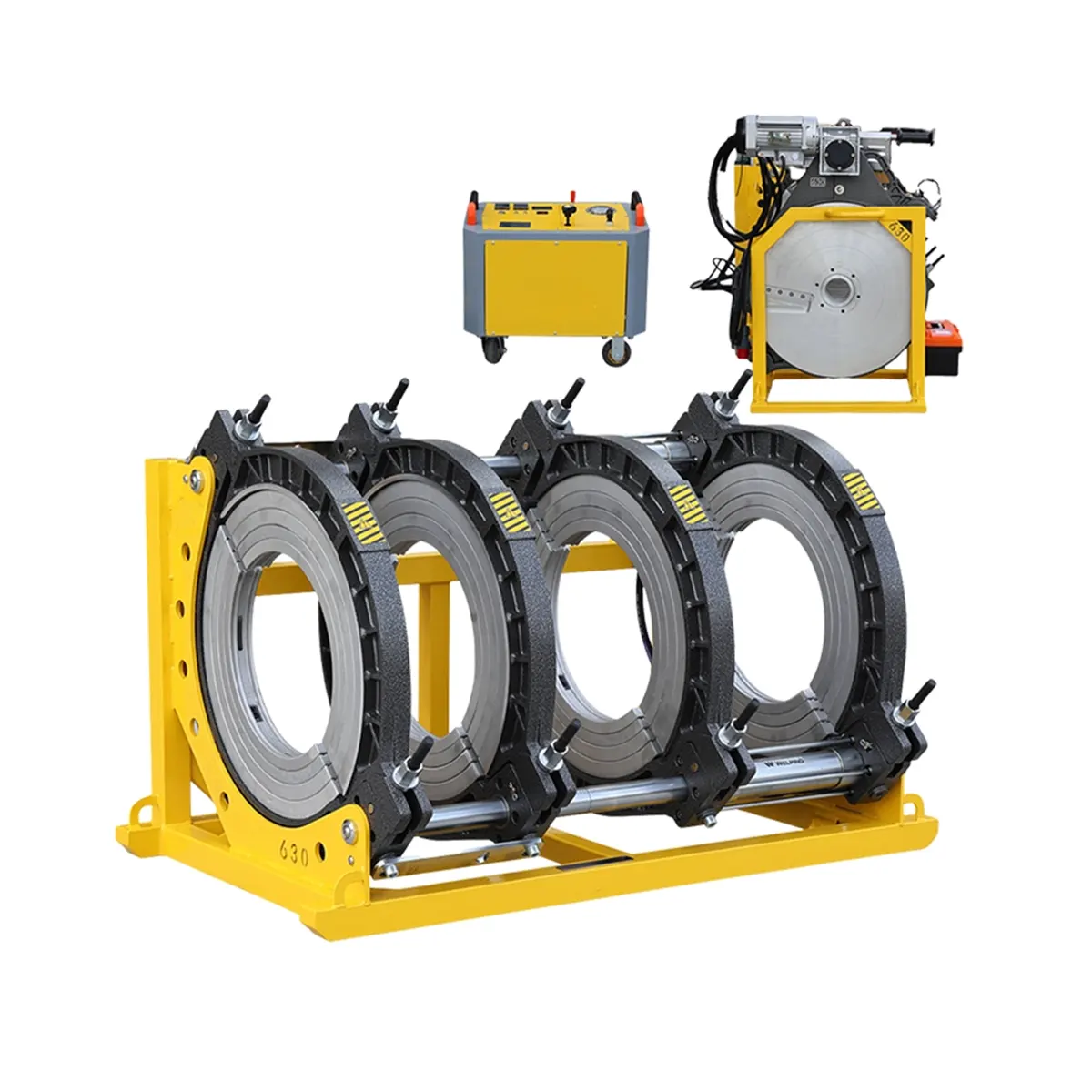
- Machine type: manual, hydraulic, or CNC automatic — choose based on pipe diameter range and production volume.
- Clamping & alignment: stable clamps and precise alignment reduce weld defects on polyethylene (PE) pipelines.
- Heating plate & facer quality: durable, even-heating plates and accurate facing tools ensure consistent fusion.
- Power & portability: consider hydraulic power units, battery/portable options for remote Korean island or mountain sites.
- Compliance & testing: look for ISO/CE certifications and documented weld records or process control capabilities.
Quick Comparison Table
| Feature | What to check | Why it matters |
|---|---|---|
| Diameter range | Matches project pipe sizes (e.g., 20mm–2250mm) | Avoids needing multiple machines or adapters |
| Automation level | Manual vs. automatic controls | Affects productivity and operator skill needs |
| Spare parts & support | Local stock, lead times, tech training | Minimizes downtime on critical projects |
Service, Delivery & Certification
Prioritize wholesalers who provide:
- Documented quality certificates and weld validation protocols.
- Local or regional service partners and spare parts locations.
- Training programs for operators, ideally available in Korean.
- Clear warranty terms and accessible technical hotlines for night/holiday shifts common in tight schedules.
Pricing, MOQ & Lead Time
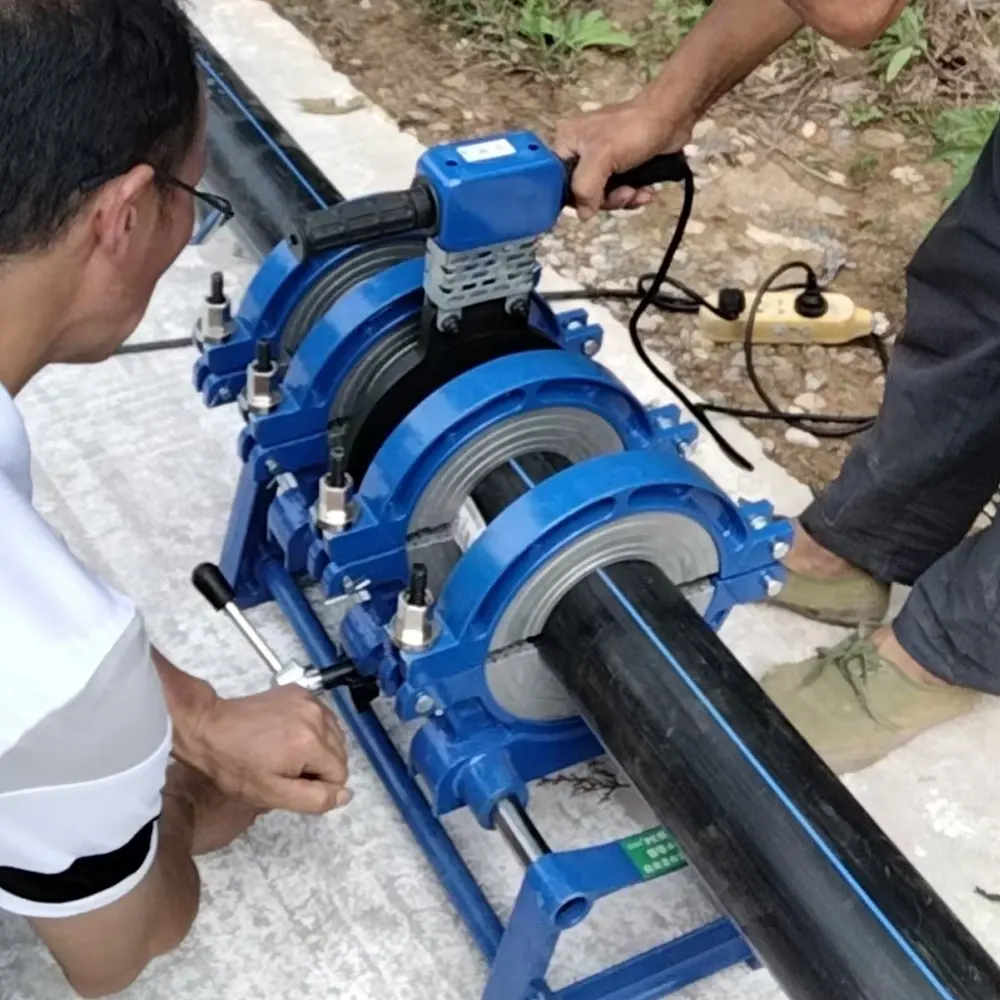
Compare total cost of ownership, not just the unit price. Consider shipping to Korean ports, customs clearance, VAT, and long-term consumables. A reputable wholesaler will provide transparent MOQ policies, realistic lead times, and options for stocking spares in-country.
Evaluating and Verifying Suppliers
Before signing, request factory photos or virtual tours, test reports, client references (preferably Korean or APAC projects), and sample weld records. Arrange a site demo or pilot order when possible. These steps reduce procurement risk and ensure the wholesaler can support your operational needs.
For dependable butt fusion solutions that cover manual, hydraulic, and CNC automatic machines with broad diameter ranges and global project experience, consider contacting JQ-Fusion for product details, certifications, and service options tailored to South Korea’s market.



