
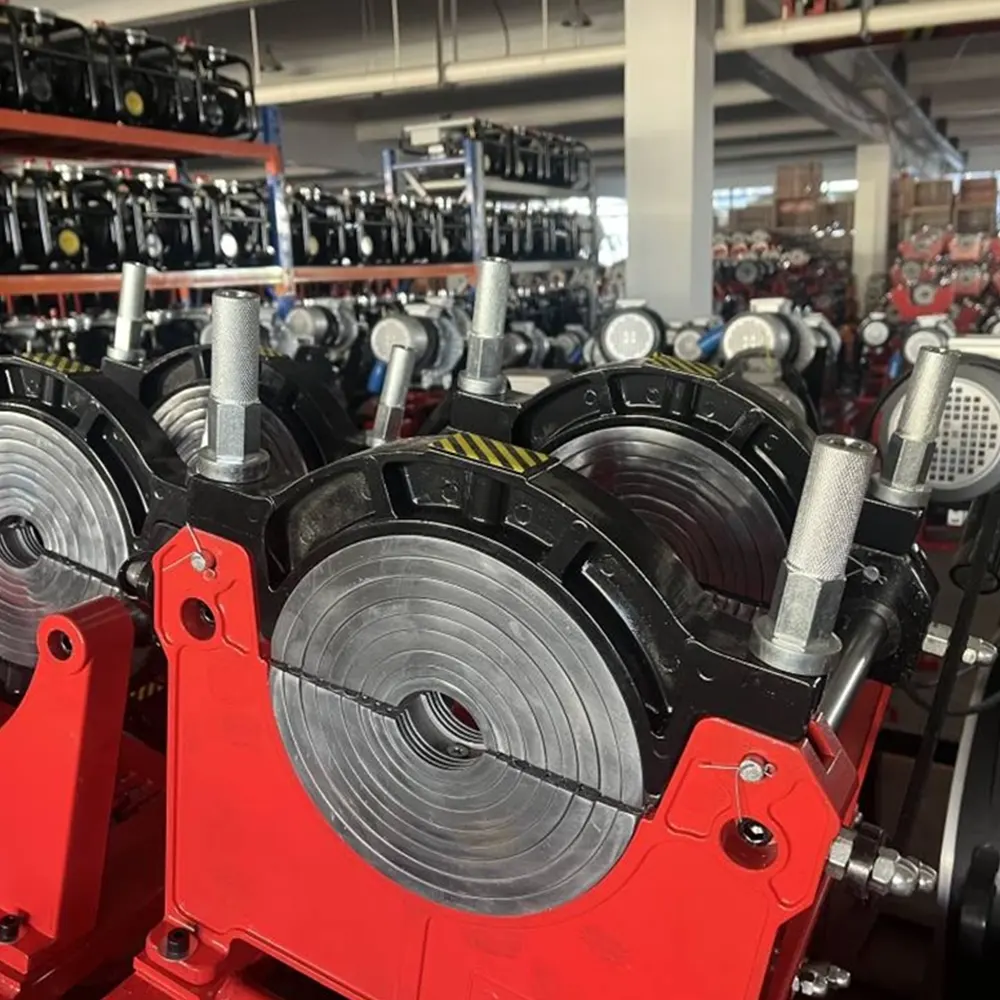
Selecting the right poly fusion machine for PE pipes is a critical decision that directly impacts the integrity and longevity of your pipeline infrastructure. Whether you are installing municipal water mains, gas distribution networks, or industrial slurry lines, the quality of the butt fusion joint is non-negotiable. This comprehensive guide walks you through the essential types of HDPE fusion equipment, key selection criteria, and industry best practices to help contractors and project managers make informed purchasing decisions.
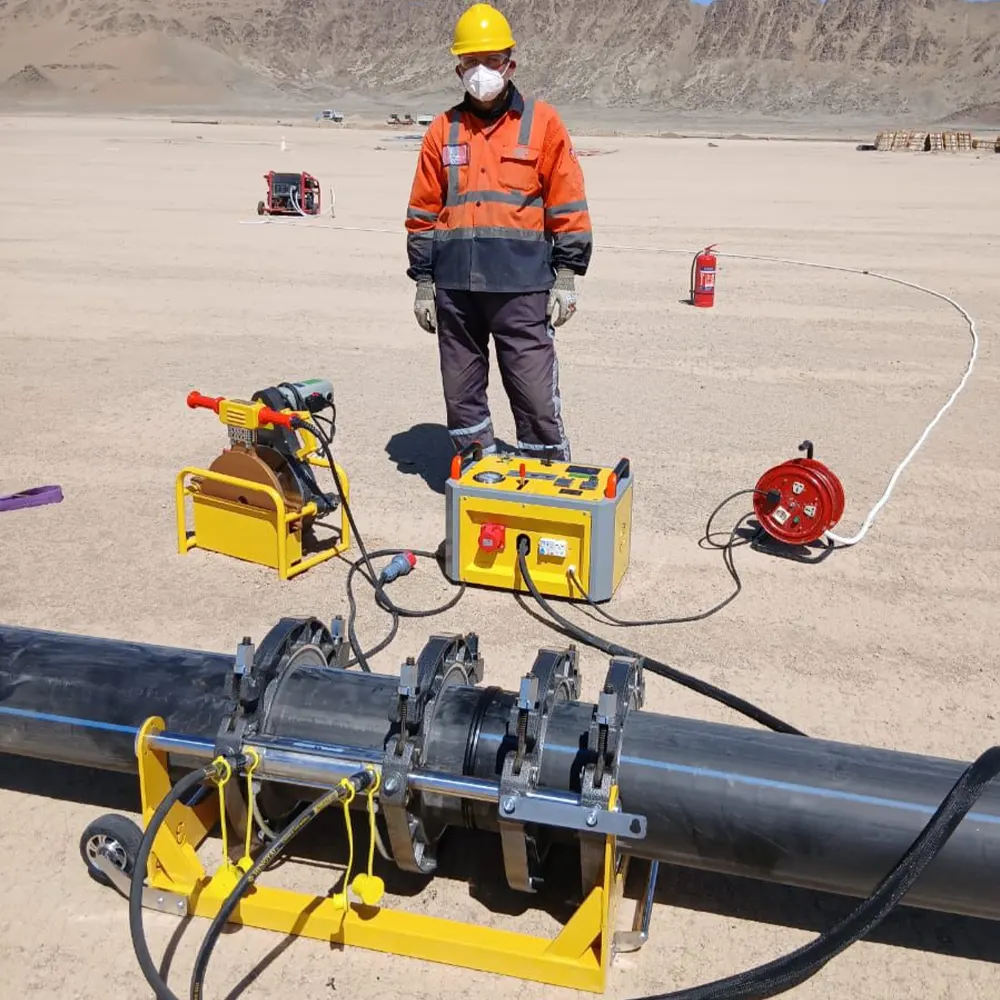
Understanding Poly Fusion Technology for PE Pipes
Poly fusion, specifically butt fusion welding, is the most widely adopted method for joining high-density polyethylene pipes. The process involves heating the pipe ends against a precisely temperature-controlled plate, then forcing them together under controlled pressure to form a homogeneous, leak-proof joint. A high-quality poly fusion machine for PE pipes ensures accurate alignment, consistent heating, and proper fusion pressure, factors that are essential for meeting ISO 21307 butt fusion procedures and achieving long-term pipeline performance.
Main Types of Poly Fusion Machines
The market offers several categories of HDPE fusion equipment, each designed for specific pipe diameter ranges, project scales, and operational environments. Understanding these categories is the first step in choosing the right machine for your needs.
Manual Butt Fusion Welding Machines
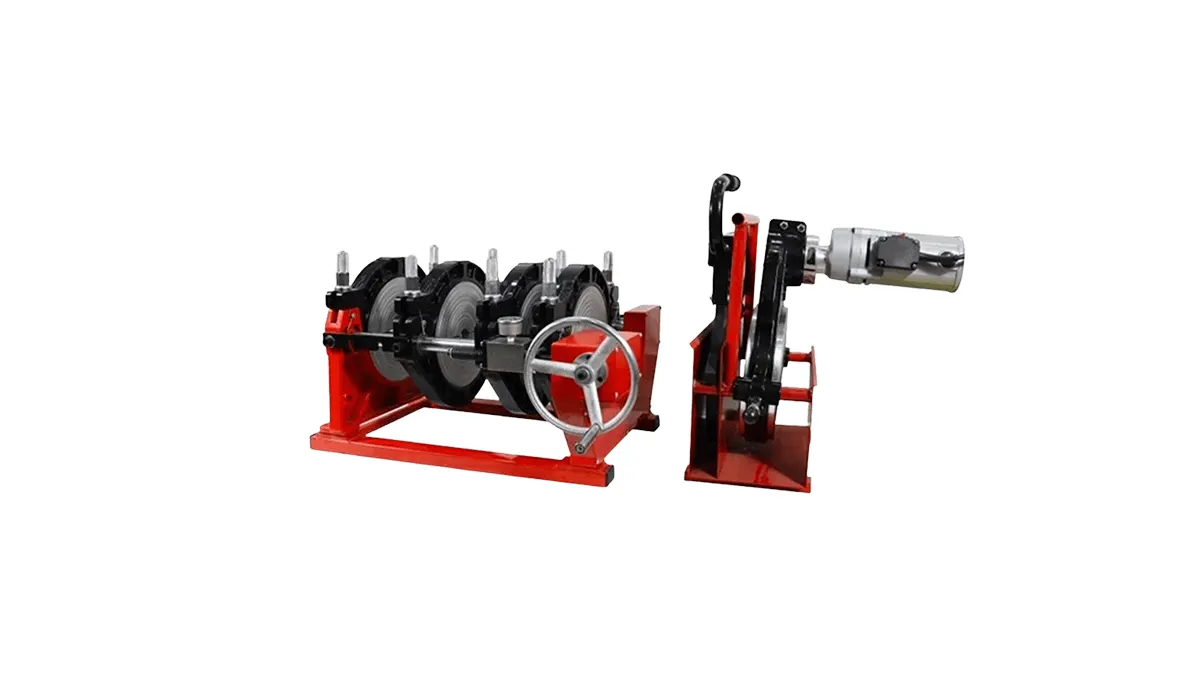
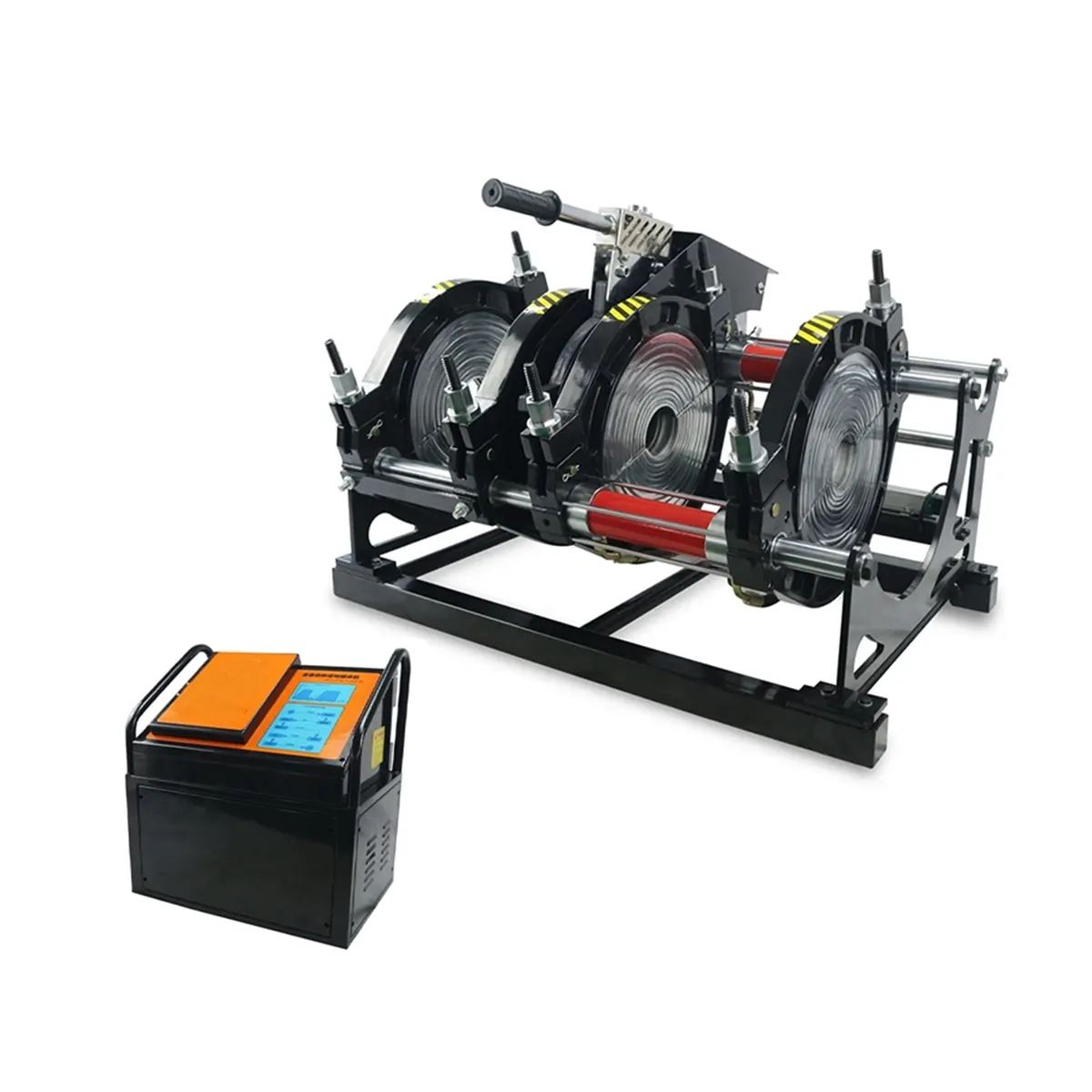
Manual machines are the most cost-effective solution for small-diameter PE pipes, typically ranging from 40mm to 315mm. They rely on hand-operated levers to clamp the pipes and apply fusion pressure. These units are lightweight, portable, and ideal for tight spaces, repair work, and low-volume installations. While they demand skilled operators to maintain consistent pressure, modern designs feature rigid frames and precise alignment guides that simplify the process.
Hydraulic Butt Fusion Welding Machines
For medium to large-diameter pipes, hydraulic butt fusion machines deliver the power and precision required to handle diameters from 160mm up to 2250mm or more. These systems use hydraulic cylinders to apply controlled fusion force, significantly reducing operator fatigue and ensuring repeatable joint quality. The hydraulic power unit maintains consistent pressure throughout the heating and cooling phases, which is crucial for thick-walled pipes used in high-pressure applications. They are widely adopted for mining tailings lines, water transmission mains, and industrial effluent systems.
CNC Automatic Butt Fusion Welding Machines
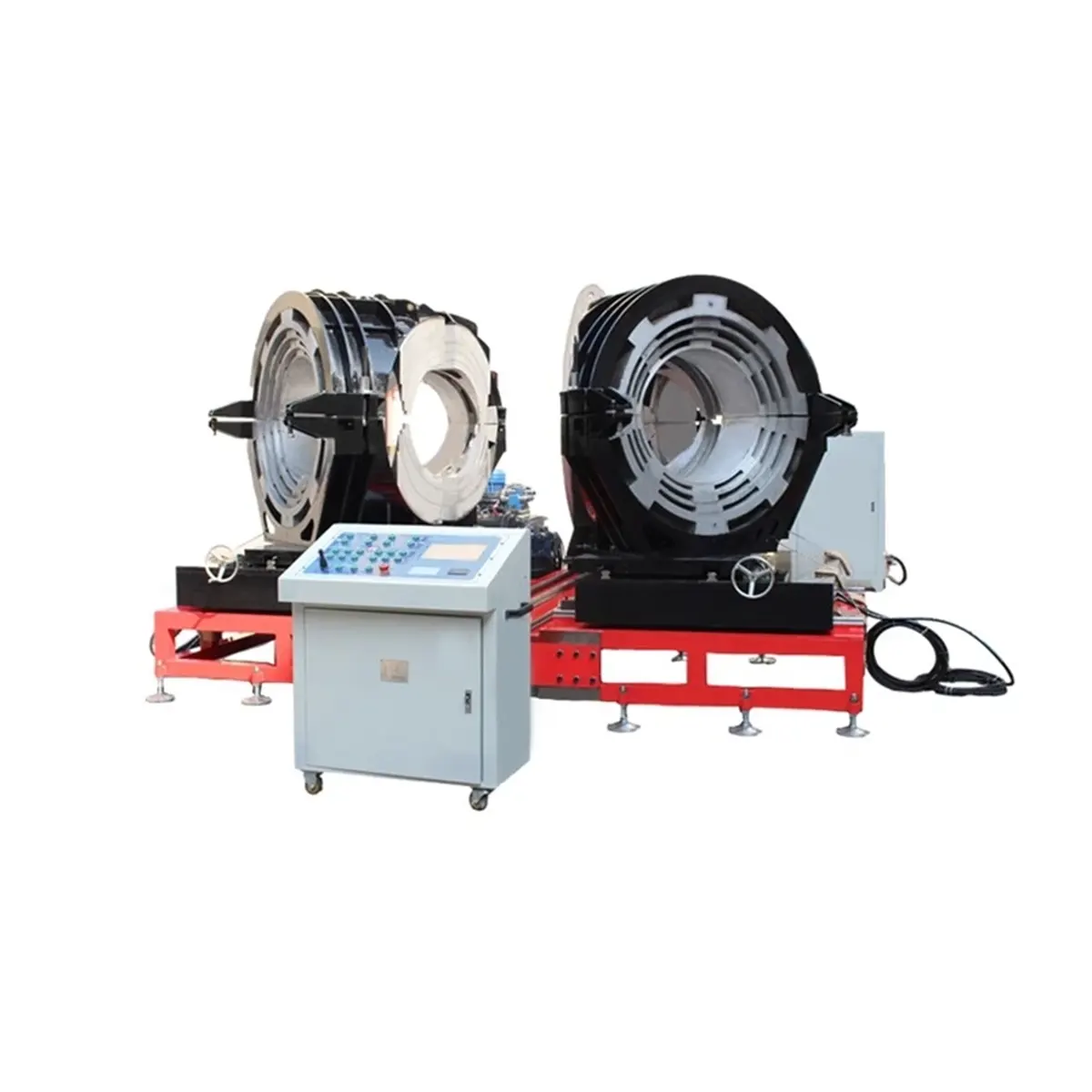
Automatic fusion machines represent the pinnacle of precision in HDPE welding technology. Equipped with programmable logic controllers, these systems monitor and record every parameter of the fusion cycle — temperature, pressure, time, and displacement — in real time. They automatically adjust the welding sequence according to pipe diameter and wall thickness, eliminating human error. For projects requiring full traceability and strict compliance with standards such as ISO 12176-1, a CNC automatic poly fusion machine for PE pipes provides the documentation and control that regulators and engineering firms demand.
Multi-Angle Pipe Fitting Welding Machines
Standard butt fusion machines join straight pipe segments, but fabrication of elbows, tees, and wyes requires specialized multi-angle equipment. These machines allow operators to set precise angles for custom fittings, from 0° to 90° and beyond. They are essential for fabricators producing segmented bends, manifolds, and prefabricated sections for complex pipeline layouts. The ability to weld fittings at accurate angles reduces the need for injection-molded fittings and speeds up on-site assembly.
Key Factors to Consider When Choosing a Poly Fusion Machine
Investing in a poly fusion machine for PE pipes requires careful evaluation of your project requirements and operating environment. Below are the critical factors that should guide your decision.
- Pipe Diameter Range: Match the machine’s clamping capacity to the pipe sizes you most frequently handle. Overestimating slightly allows for future project flexibility.
- Wall Thickness and SDR Ratings: Thicker walls demand higher fusion pressures and longer heating times. Ensure the machine’s hydraulic or manual clamping system can deliver the required force for your SDR range.
- Worksite Conditions: Consider portability, terrain, and space constraints. Manual machines excel in trench work, while hydraulic and automatic units are better suited for laydown yards and fab shops.
- Operator Skill Level: Automatic machines reduce reliance on operator judgment, making them ideal for large projects with varying crew experience. Manual machines require trained technicians familiar with PPI technical guidance.
- Data Logging and Traceability: For municipal and regulated work, automatic machines with data recording capabilities are increasingly mandatory to document joint parameters and ensure quality assurance.
- Maintenance and Support: Choose a manufacturer with accessible spare parts, technical support, and a track record of reliability. Downtime on a critical fusion machine can be extremely costly.
Comparing Machine Types at a Glance
The following table provides a clear comparison of the primary machine categories to help you quickly identify the right solution based on your operational priorities.
| Machine Type | Typical Diameter Range | Key Advantage | Best For |
|---|---|---|---|
| Manual | 40mm – 315mm | Low cost, high portability | Repairs, small-scale water lines |
| Hydraulic | 160mm – 2250mm | High force, consistent joints | Large-diameter mains, mining pipelines |
| CNC Automatic | 160mm – 630mm+ | Full automation, data logging | Regulated projects, gas distribution |
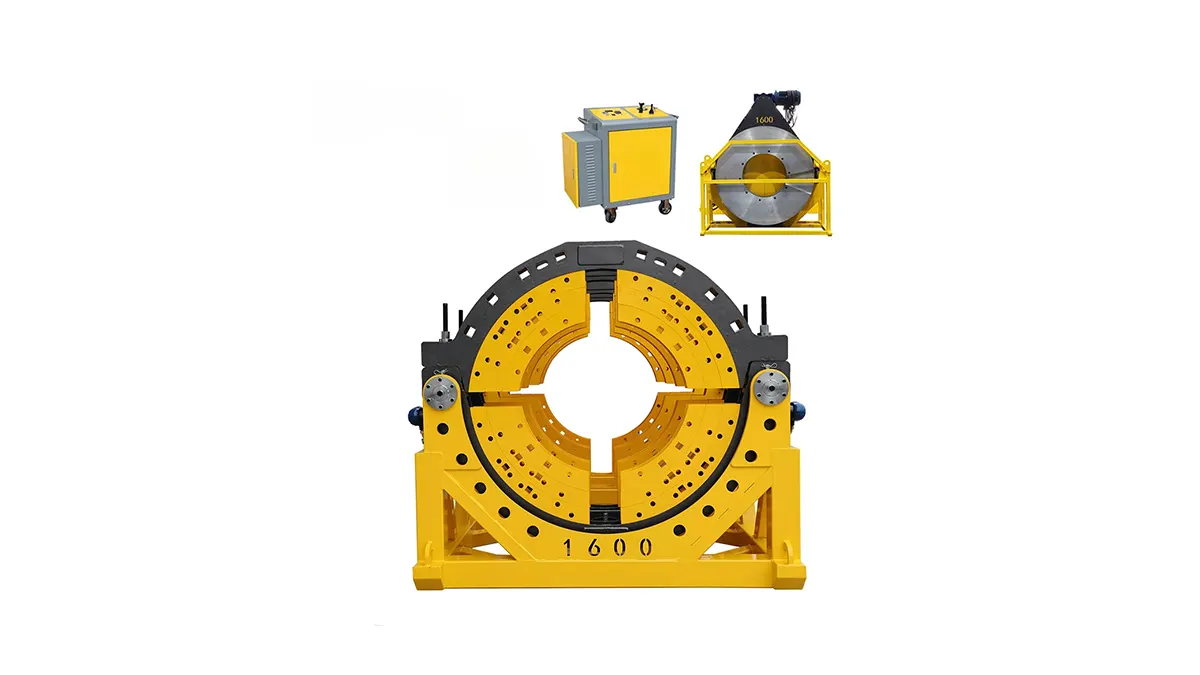
| Multi-Angle | Up to 1600mm | Custom fitting fabrication | Fabrication shops, complex layouts |
Ensuring Compliance with International Standards
When purchasing a poly fusion machine for PE pipes, verifying compliance with relevant industry standards is essential. The PE butt fusion equipment standard (ISO 12176-1) specifies design and performance requirements for fusion machines, covering critical aspects such as heating plate temperature uniformity, clamp alignment accuracy, and hydraulic system reliability. Adherence to these standards ensures your equipment can produce joints that meet the mechanical and durability requirements of ISO 21307 and other application-specific codes for water, gas, and industrial piping systems.
Maintenance and Operational Best Practices
To maximize the service life of your poly fusion machine for PE pipes, implement a disciplined maintenance routine. Regularly clean and inspect the heating plate surface for scratches, pits, or non-stick coating damage, as surface imperfections can transfer to the pipe ends during heating. Check clamp inserts and jaws for wear and ensure they provide uniform grip without deforming the pipe. Calibrate temperature controllers and hydraulic pressure gauges periodically to maintain accuracy. Trimmer blades must be sharp and properly adjusted to produce clean, square pipe ends. Keep a logbook of maintenance activities and fusion parameters to support quality audits and troubleshoot issues proactively.
Reputable manufacturers like JQ-Fusion provide comprehensive support and readily available spare parts to keep your equipment operating at peak performance. This level of after-sales commitment is a crucial factor when evaluating long-term equipment value.
Frequently Asked Questions About Poly Fusion Machines
Here are answers to common questions that arise when selecting and operating HDPE butt fusion equipment.
- What is the difference between butt fusion and electrofusion? Butt fusion uses a heated plate to melt pipe ends which are then pressed together, while electrofusion uses embedded wire coils in specialized fittings to generate heat. Butt fusion is the standard for mainline joining; electrofusion is often used for repairs or tie-ins. Learn more about electrofusion equipment and its specific applications.
- Can I weld different SDR pipes with the same machine? Yes, a single fusion machine can weld different SDR (Standard Dimension Ratio) pipes as long as the diameter is within the machine’s clamping range. However, fusion parameters such as heating time and pressure must be adjusted according to the specific SDR and material grade.
- How do I determine the right fusion pressure for my machine? Fusion pressure is calculated based on the pipe wall cross-sectional area and the recommended interfacial pressure for the PE material. Most machine manufacturers provide pressure tables; automatic machines calculate this internally.
- What maintenance is most critical for fusion equipment? Heating plate condition, clamp alignment, and trimmer blade sharpness are the three most critical maintenance points. Neglecting these will directly compromise joint quality.
Your Partner in Reliable Fusion Equipment
Choosing the right poly fusion machine for PE pipes is a strategic investment that shapes the success of your projects for years to come. By understanding the distinct capabilities of manual, hydraulic, automatic, and multi-angle machines, and evaluating them against your pipe sizes, site conditions, and compliance requirements, you can select equipment that delivers consistent, code-compliant fusion joints every time. Partner with a knowledgeable supplier, prioritize machines built to recognized international standards, and invest in operator training to unlock the full potential of your HDPE pipeline network.
For expert guidance on selecting the ideal fusion machine for your specific project needs, contact our team today for a personalized consultation.



