
Finding a dependable butt fusion machine supplier in Turkmenistan can make the difference between a smooth infrastructure project and constant downtime. Whether you work on municipal water networks, gas distribution, oilfield pipelines, or rural irrigation, sourcing the right HDPE pipe welding equipment is essential for long-term system integrity and project efficiency.
Why a reliable butt fusion supplier matters in Turkmenistan
Construction and pipeline projects in Turkmenistan often face challenging environments — extreme heat, remote job sites, and long transport distances. A trustworthy supplier provides not only quality machines but also spare parts, technical training, and rapid after-sales support tailored to local conditions. This reduces downtime and avoids costly reworks that can derail schedules in Central Asian projects.
Local project types that need robust machines
Key sectors in Turkmenistan that frequently require butt fusion equipment include urban water supply upgrades, gas distribution in regional towns, oil & gas field piping, and agricultural irrigation expansion. Look for equipment that copes with site dust, high temperatures, and on-site assembly challenges.
What to check before you buy
-
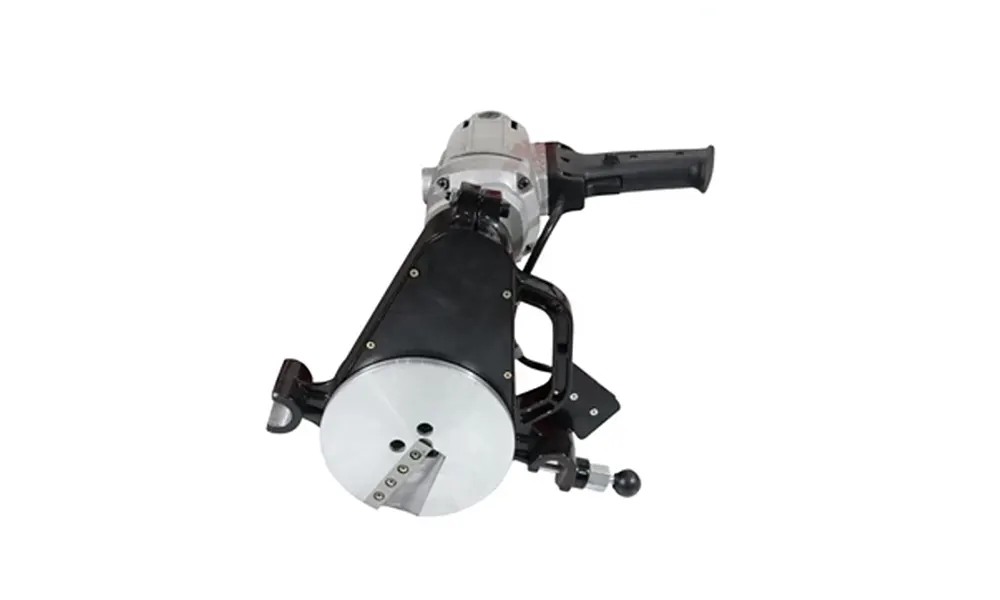
Range of pipe diameters: Confirm the machine covers your common sizes (e.g., 20–1200mm or larger for trunk lines).
-
Machine type: Manual, hydraulic, and CNC automatic models each suit different project scales.
-
Quality & standards: Seek ISO/CE certifications and welding-consistency test reports.
-
After-sales support: Availability of spare parts, local service partners, and operator training is critical for Turkmenistan sites.
-
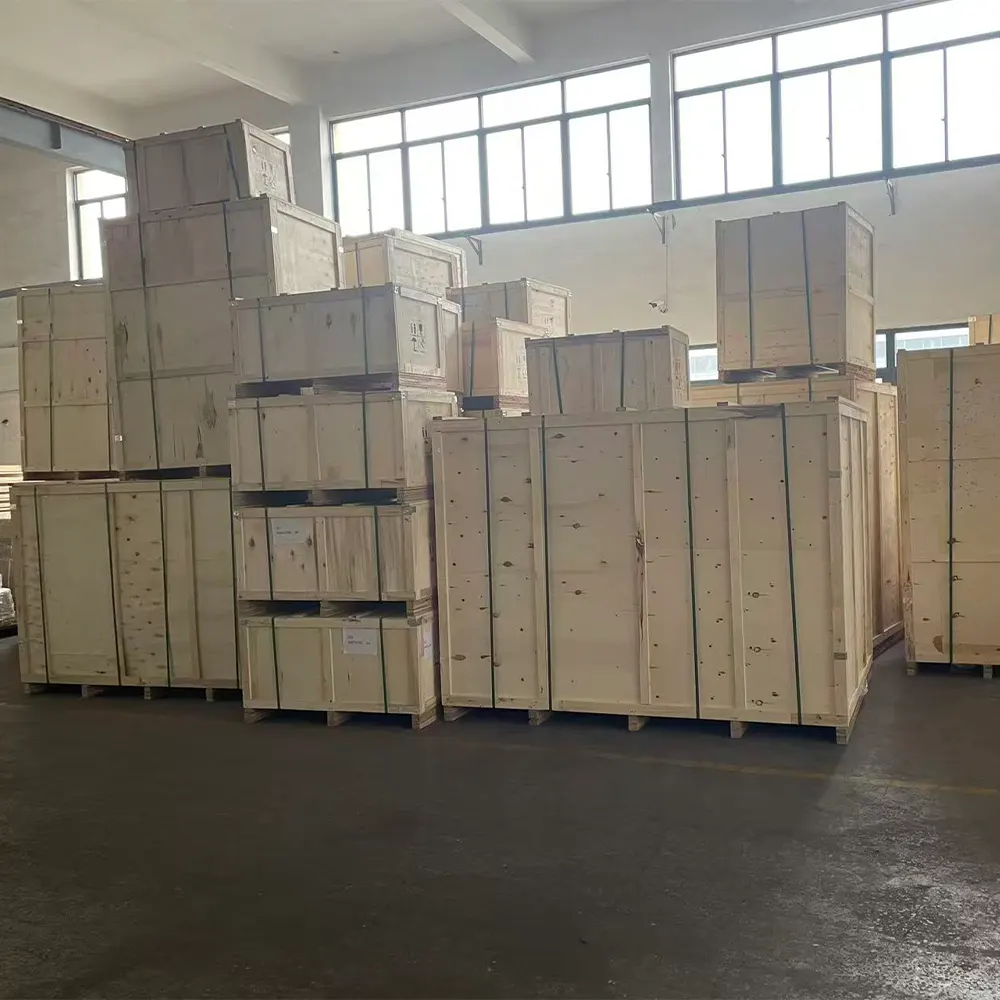
Logistics & documentation: Export packing, customs paperwork, and clear warranty terms simplify import processes.
Quick comparison: Manual vs Hydraulic vs Automatic
| Machine Type | Best For | Pros |
|---|---|---|
| Manual Butt Fusion | Small jobs, tight budgets | Lightweight, easy to transport |
| Hydraulic Butt Fusion | Medium to large pipelines | Stable pressure control, suitable for remote sites |
| CNC Automatic Fusion | High-volume, precision work | Consistent weld quality, data logging for QA |
How to find suppliers that serve Turkmenistan
Start with manufacturers who export to Central Asia and can handle customs, packing, and freight to Turkmen ports or border crossings. Search for vendors with regional references — contractors who have completed projects in Turkmen cities or rural provinces. Local distributors or engineering firms can often help with installation and operator training.
Sourcing channels to explore
-
Direct manufacturer contact for custom specs and bulk orders.
-
Regional distributors with spare part stock and service networks.
-
Industry trade shows and engineering expos in Central Asia or neighboring countries.
-
Online marketplaces and B2B platforms, followed by reference checks.
Practical buying tips for Turkmen buyers
– Ask for documented welding tests and reference projects in similar climates.
– Confirm spare-part lead times — long transit routes mean stocking critical spares locally.
– Insist on a clear warranty and remote technical support (video calls, manuals in English/Russian/Turkic if possible).
– Check whether on-site training is offered to ensure local crews can operate and maintain machines correctly.
A recommended next step
Consider reaching out to established manufacturers that supply a full range of HDPE pipe welding machines and support services. One such option is JQ-Fusion (https://jq-fusionwelding.com/) — a manufacturer with experience in manual, hydraulic, and CNC automatic butt fusion machines, worldwide shipping, and a reputation for quality production suited to water, gas, mining, and industrial pipeline projects.
Final checklist before purchase
Request a quotation with clear delivery times, packing lists, spare-parts recommendations, training options, and warranty terms. Verify export documentation and arrange logistics well ahead of project start dates to avoid delays at borders or ports.
Ready to buy? Gather project pipe sizes, expected daily weld quantities, and site conditions, then request quotes from two to three suppliers to compare cost, lead time, and after-sales support.



