
Egypt’s rapid infrastructure growth — from urban water networks in Cairo and Alexandria to irrigation projects along the Nile — is driving strong demand for reliable HDPE welding machines. Contractors, utilities, and pipeline installers look for durable butt fusion, electrofusion, and automatic welding solutions that stand up to local climate, onsite conditions, and long-term service needs.
Why HDPE Welding Machines Matter in Egypt
HDPE pipe systems are preferred across Egypt for potable water, sewage, gas distribution, and agricultural irrigation because of their corrosion resistance and long service life. For these applications, high-quality welding equipment is essential to ensure leak-free joints, consistent fusion quality, and regulatory compliance. Reliable welding machines reduce rework and lower whole-life costs, which is especially important for large-scale public works and privately funded developments.
Common Fusion Methods and Their Use Cases
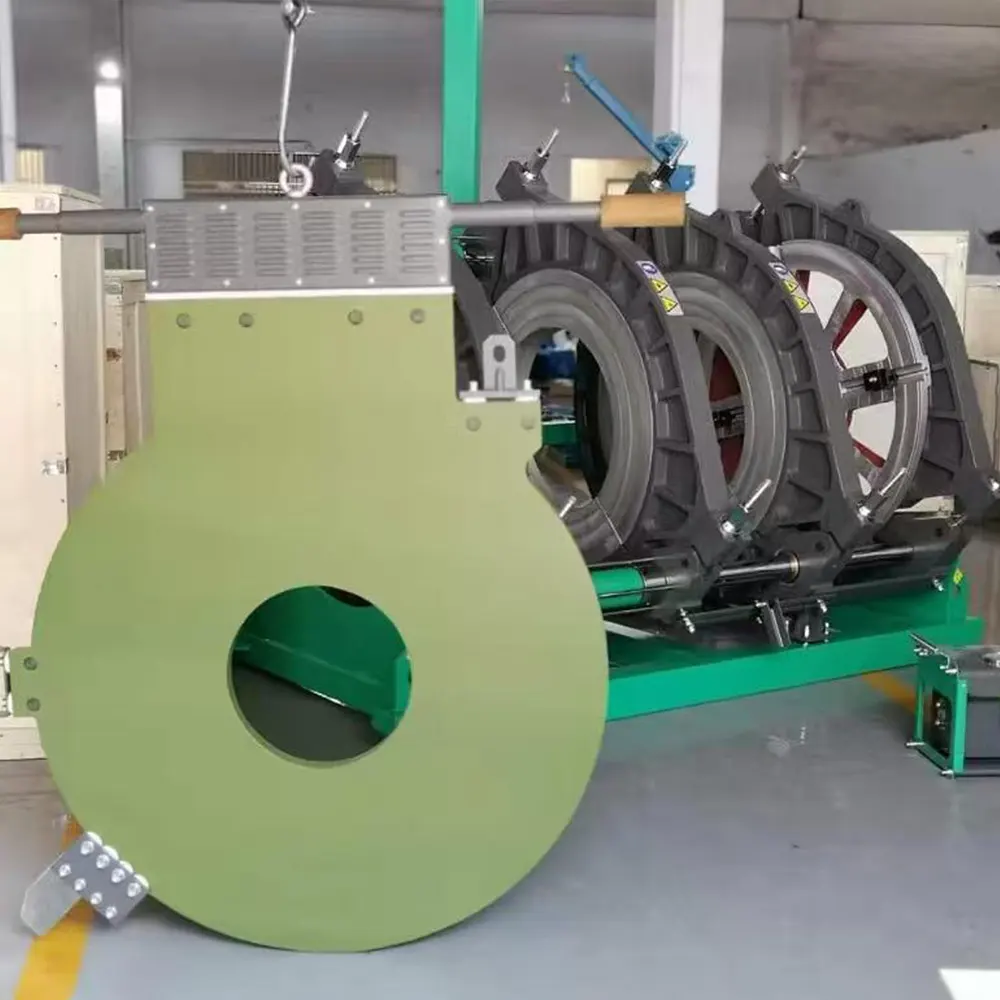
Butt fusion is widely used for straight polyethylene pipes in long runs like water mains and irrigation lines. It offers excellent joint strength and is ideal for both urban trenches and open-field projects. Electrofusion fittings are preferred where precision or smaller diameter connections are required — such as service connections in residential areas or repairs in congested streets. Automatic and CNC-controlled machines bring consistency to higher volume or large-diameter projects, reducing operator variability.
Types of HDPE Welding Machines to Consider
Egyptian contractors typically choose among:
-
Manual butt fusion machines — cost-effective for smaller jobs and remote sites.
-
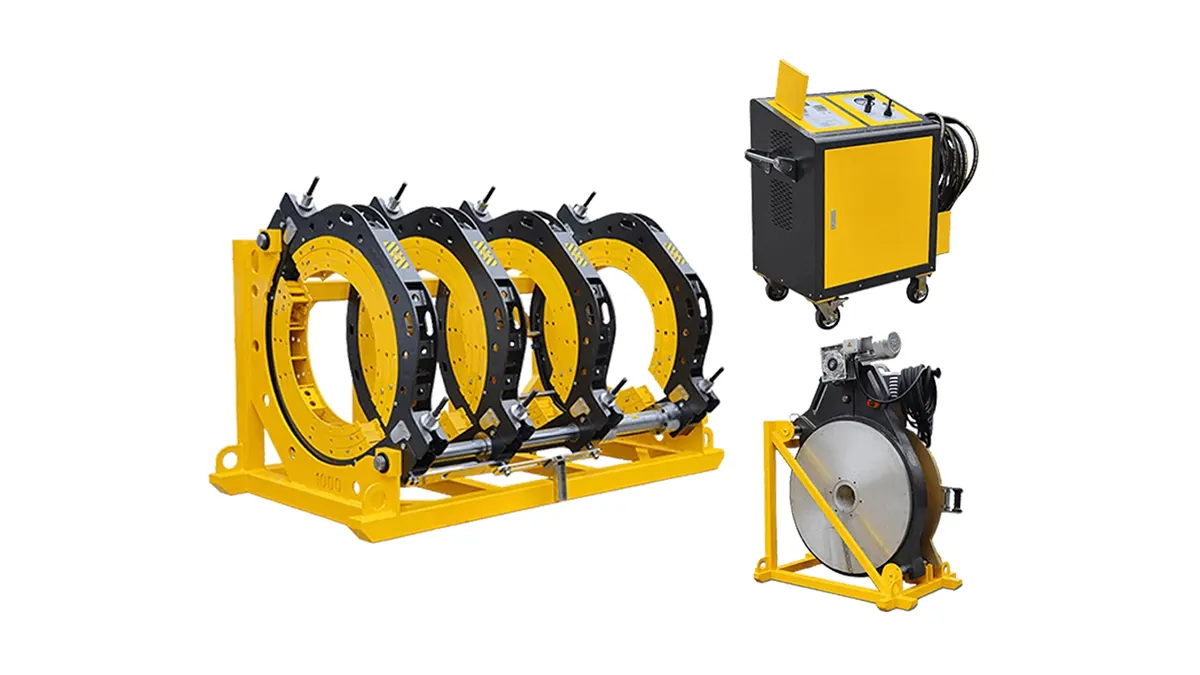
Hydraulic butt fusion machines — suitable for medium to large diameters and demanding on-site conditions.
-
Automatic and CNC butt fusion machines — best for high-precision, high-volume pipeline fabrication.
-
Electrofusion units — ideal for fittings, repair work, and tight-access locations.
Quick Comparison: Machine Features
| Machine Type | Best For | Key Benefit |
|---|---|---|
| Manual Butt Fusion | Small jobs, rural sites | Low cost, portable |
| Hydraulic Butt Fusion | Municipal mains, larger diameters | Stable pressure control, robust |
| Automatic / CNC | Factory prefabrication, long runs | High consistency, data logging |
| Electrofusion | Service connections, repair | Easy installation in tight spaces |
How to Choose a Reliable Supplier in Egypt
When evaluating suppliers, Egyptian buyers should prioritize machine durability, local spare-parts availability, training, and after-sales support. Verify that the supplier can provide:
-
Clear technical documentation and compliant welding procedures for local standards.
-
Onsite training or remote guidance for welding crews to ensure weld quality.
-
Spare parts and maintenance support to minimize downtime on critical projects.
-
Options for customization or rental for pilot and phased projects common in public works.
Local Support & Maintenance Tips
Egypt’s climate can accelerate wear on heating plates and hydraulics; regular inspection of clamps, heater plates, and hydraulic seals is essential. Keep a small inventory of consumables and calibration records for quality audits. For coastal or desert projects, dust protection and corrosion-resistant components reduce long-term maintenance.
Supplier Spotlight
JQ-Fusion is a professional manufacturer specializing in HDPE pipe welding machines, offering manual, hydraulic, and automatic butt fusion systems that support water, gas, mining, and industrial pipeline projects worldwide.
Final Practical Tips for Egyptian Projects
For municipal and agricultural projects along the Nile, prioritize machines with reliable temperature control and clear traceability. For urban rehabilitation, compact electrofusion units and trained technicians reduce street disruption. Always run sample welds and tensile tests for new suppliers to validate joint quality before large-scale deployments.



