
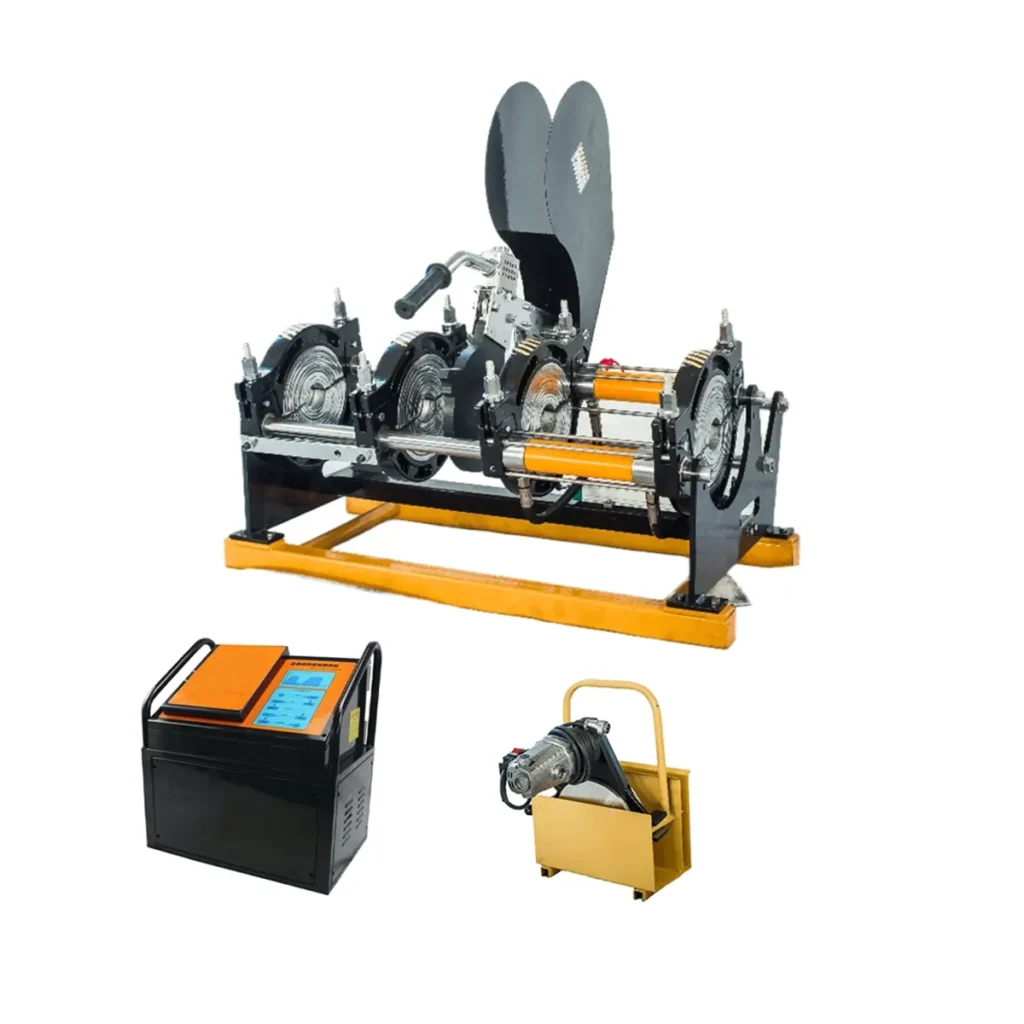
Looking for a reliable butt fusion machine supplier in Rwanda? Whether you’re working on a municipal water project in Kigali, a rural irrigation network in the Eastern Province, or a mining pipeline near Rubavu, choosing the right HDPE butt fusion equipment is essential for long-lasting, leak-free joins. This guide helps Rwandan contractors, engineers, and procurement teams find durable machines, evaluate suppliers, and plan logistics for successful pipeline installations.
Why Quality Matters for Butt Fusion in Rwanda
Durability and consistency are non-negotiable when installing PE pipelines across Rwanda’s diverse terrains. Poor welds cost time and money: failed joints lead to service interruptions, rework, and safety risks. For water utilities, gas distribution, and agricultural irrigation systems, a trusted butt fusion machine reduces downtime and ensures regulatory compliance.
Who in Rwanda benefits most?
Local contractors, government agencies, NGOs, and private developers all benefit from reliable equipment. Projects ranging from urban water supply upgrades to off-grid rural piping need machines that are portable for remote sites, robust for high-volume work, and easy to maintain with limited local spare parts availability.
Types of Butt Fusion Machines to Consider
Choosing the right type depends on pipe diameter, site conditions, and production requirements.
-
Manual machines – Best for small-diameter pipes and low-volume work. Lightweight and simple to operate.
-
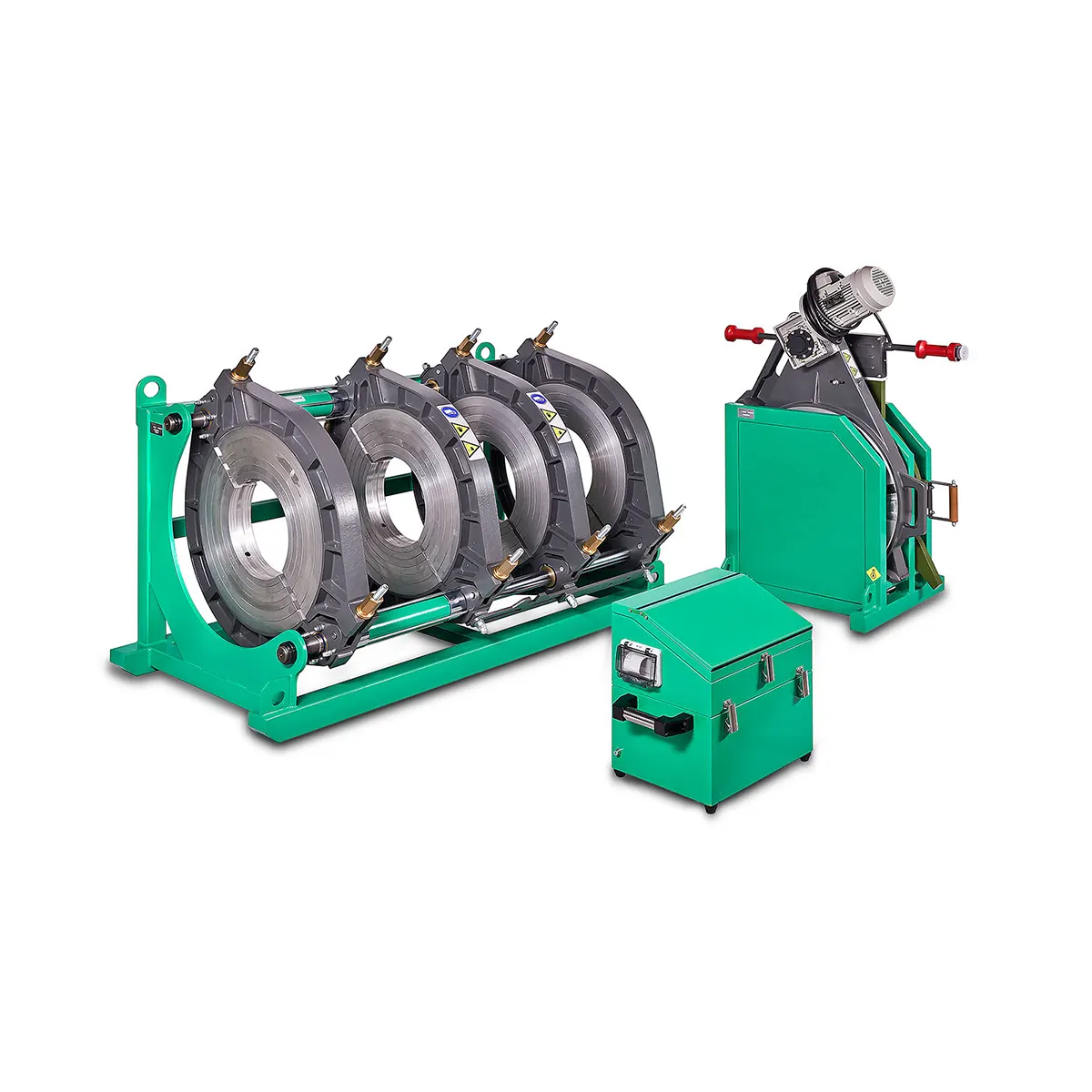
Hydraulic machines – Ideal for medium to large pipes; offer higher clamping force and stable heating controls for consistent welds.
-
Automatic / CNC machines – For high-throughput projects and larger-diameter pipes where precise, repeatable weld cycles are required.
-
Multi-angle fitting machines – Useful when working with fittings and complex pipe configurations.
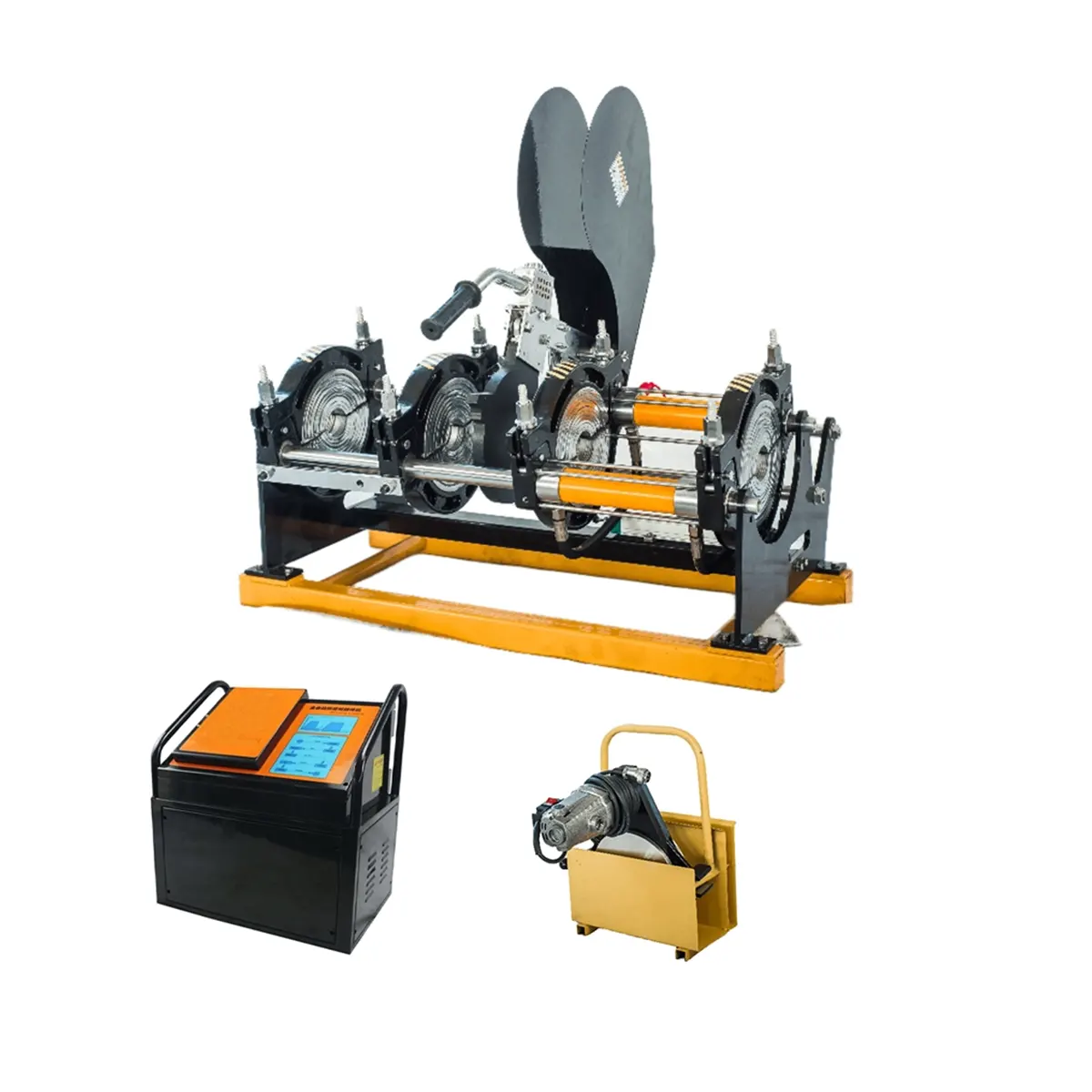
Quick Selection Table — Models & Typical Uses
| Model | Type | Pipe Range (mm) | Best For |
|---|---|---|---|
| JQSY / Manual Series | Manual | 20–315 | Small rural projects, repairs |
| JQH / Hydraulic Series | Hydraulic | 63–1600 | Medium & large municipal pipelines |
| JQA / Automatic CNC | Automatic | 160–2250 | High-volume, precise welding |
Key specs to check
When comparing machines, inspect clamping force, heater plate temperature control, alignment stability, portability, and whether the unit supports common Rwandan pipe SDR ratings. Power source compatibility is also important—verify voltage and generator needs for fieldwork.
Procurement Tips for Rwandan Buyers
Ensure the supplier offers local or regional after-sales support, clear spare-parts lists, and training for operators. Factor in delivery time to Kigali or secondary cities, customs clearance at Rwandan borders, and warranty coverage.
Questions to ask potential suppliers
-
Do you provide operator training and weld procedure documentation?
-
Are spare parts stocked regionally or shipped from the factory, and what are typical lead times?
-
Can the machine be customized for specific pipe standards used in Rwanda?
-
Is on-site commissioning or technical support available?
Maintenance, Training & Safety
Regular maintenance extends service life: keep heater plates clean, verify calibration, and replace worn clamps. For safety and weld quality, train technicians in alignment, heating cycles, and joint preparation. Proper documentation of welds (heat cycles, pressure, time) helps with quality assurance on larger projects.
Cost Considerations
Balance initial capital cost with productivity and lifetime operating costs. A cheaper manual unit may be suitable for occasional repairs, but for large-scale water or gas networks in Rwanda, a hydraulic or automatic unit often yields lower total cost of ownership through faster, more reliable welds.
Where to Find Reliable Suppliers
Look for manufacturers that specialize in HDPE butt fusion systems and have project references across Africa. For an experienced manufacturer offering a broad range of manual, hydraulic, and CNC automatic butt fusion machines suitable for Rwandan projects, visit JQ-Fusion for product details, datasheets, and contact information.
Next steps
Compile pipe diameters, SDR ratings, expected daily weld counts, and site power availability. Share these with prospective suppliers to get accurate recommendations, quotes, and lead times tailored to Rwanda’s logistics and regulatory environment.



