
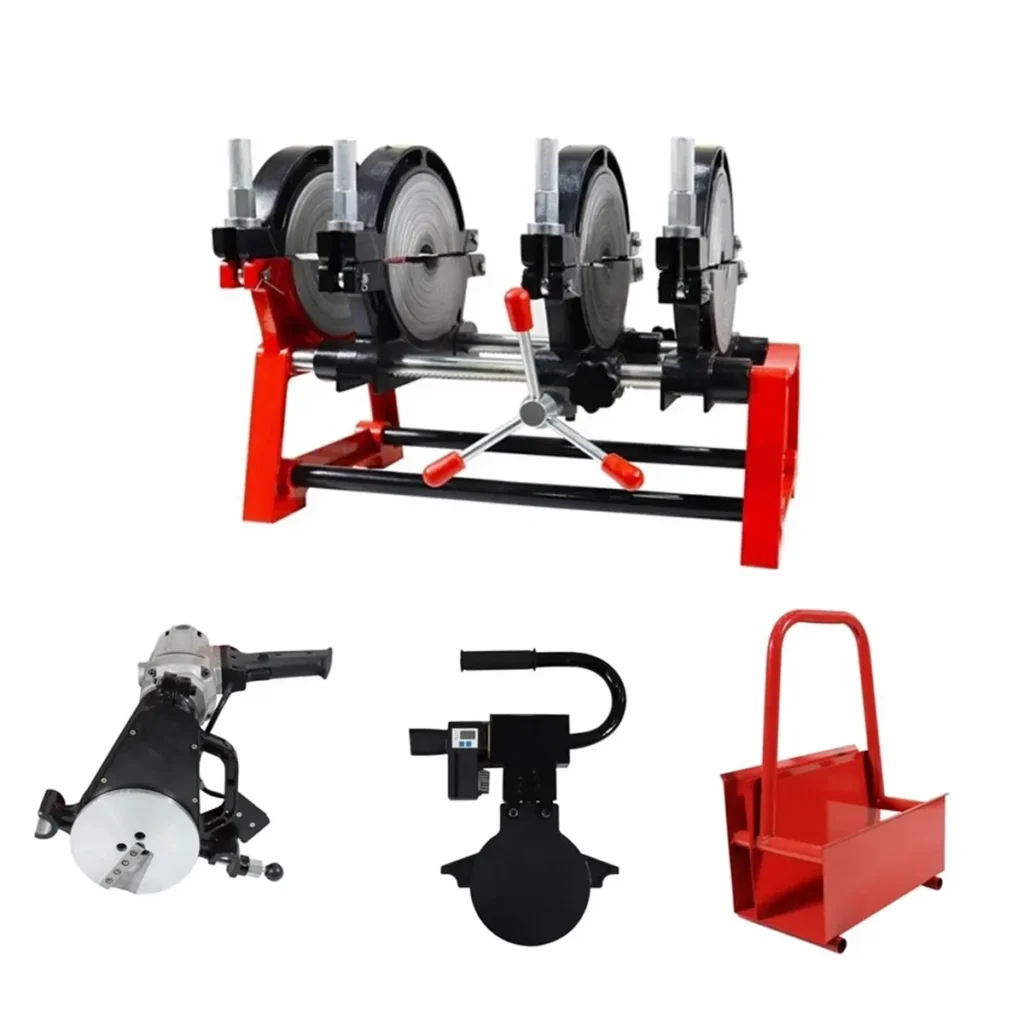
Choosing the right butt fusion machine for a project in Ukraine means balancing pipe diameter, site conditions, operator skills and weather. This guide walks Ukrainian contractors, municipal teams and pipeline installers through the main machine types, what suits local projects, and a clear comparison to help you pick the best solution.
Types of Butt Fusion Machines
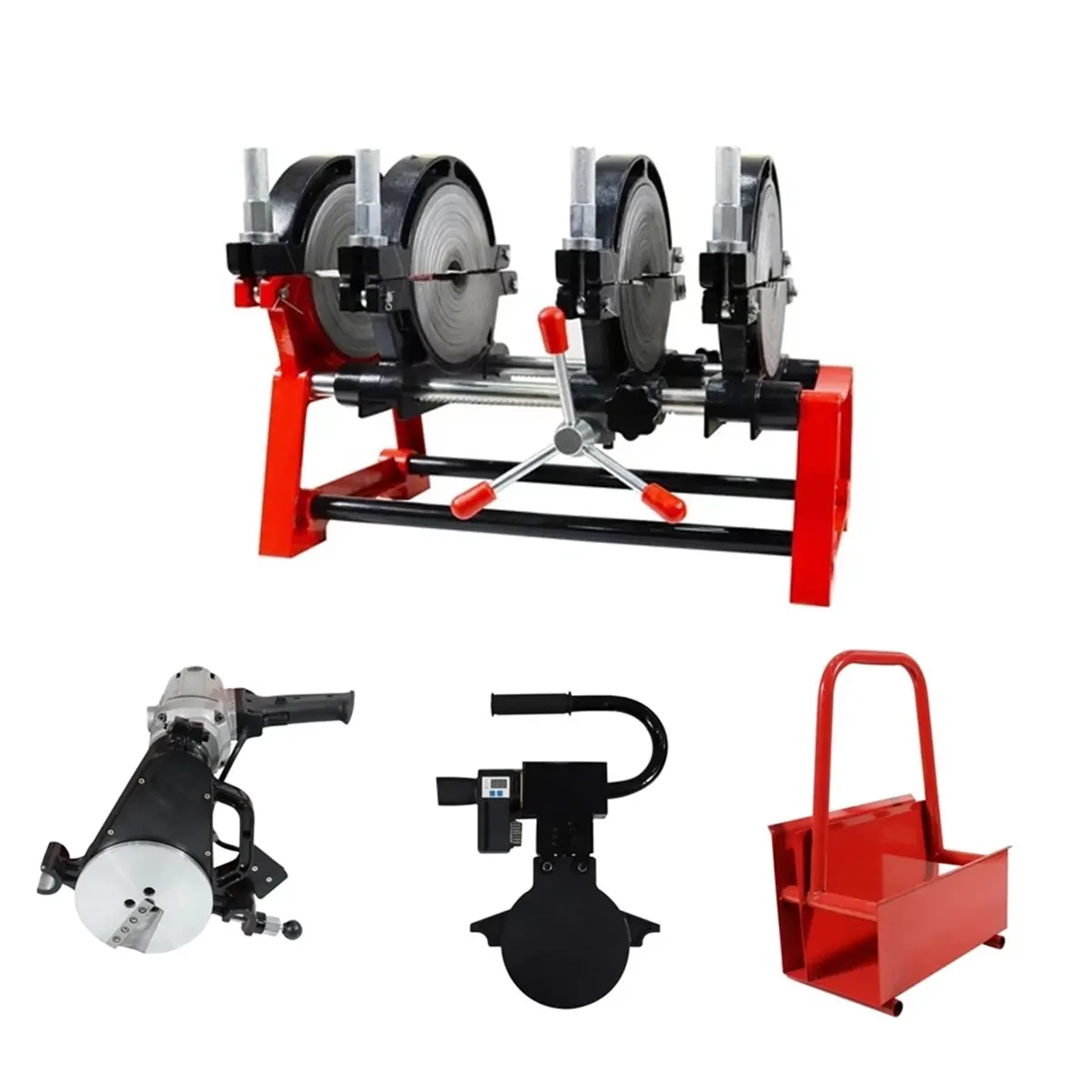
Manual machines are compact and ideal for small-diameter HDPE pipes on repairs and short water-service runs. Hydraulic models provide higher clamping force and better alignment for medium-to-large mains, common in regional gas and water networks. Automatic/CNC machines bring precise, repeatable cycles for large infrastructure and high-volume projects. Electrofusion systems are used for fittings and connections when field access is limited.
Why Ukraine-specific conditions matter
Ukraine’s climate ranges from cold winters to wet springs and a variety of soil types — sandy plains in some regions and heavy clay or rocky terrain in others. Projects near cities like Kyiv and Lviv require compact, transportable machines for urban streets, while long-distance rural mains favor robust hydraulic or automatic units that handle large diameters and long runs. If you work on gas distribution lines, prioritize machines compliant with EU/EN welding standards and with strong quality control for safety-critical joints.
Quick Comparison Table
| Machine Type | Best For | Typical Diameter Range | Key Benefits |
|---|---|---|---|
| Manual (e.g., JQSY/JQLX) | Small repairs, service lines, tight-access urban sites | 20–160 mm | Lightweight, low cost, portable |
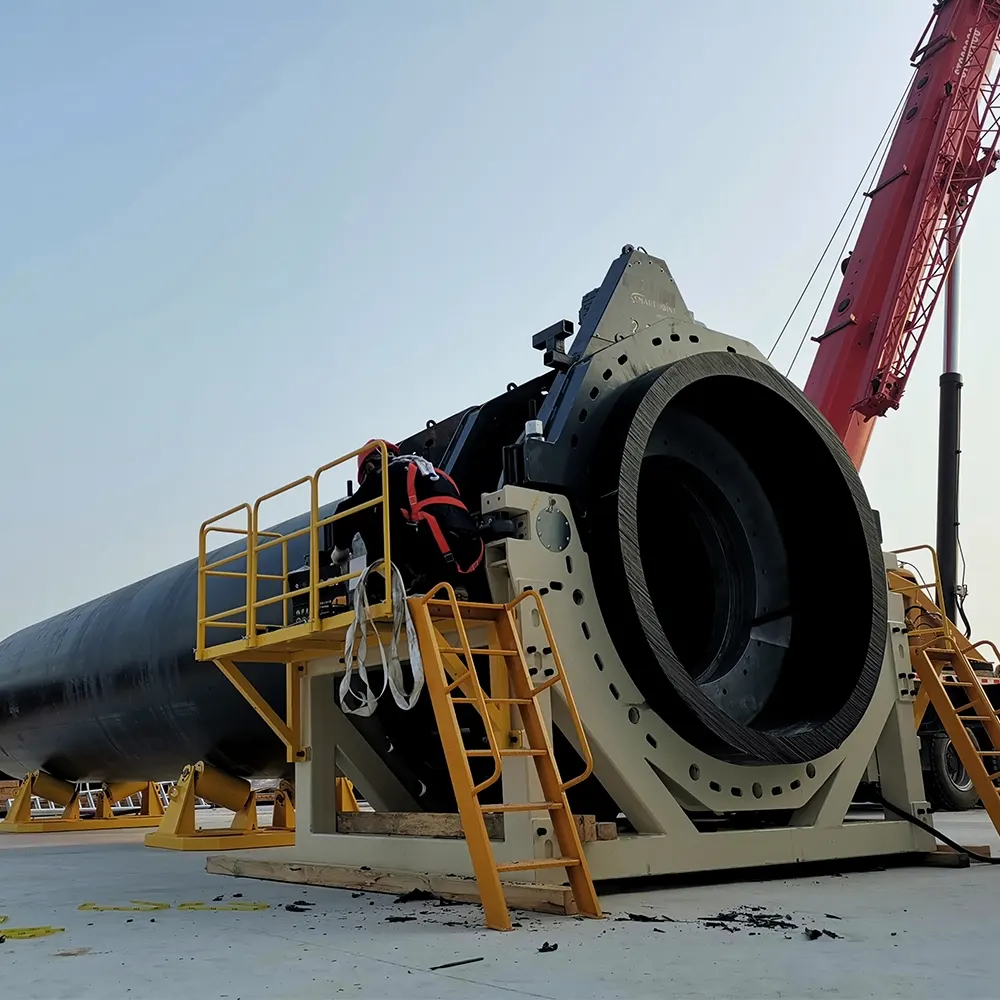
| Hydraulic (JQH series) | Municipal mains, irrigation, medium-large projects | 63–2250 mm | High clamping force, stable alignment, field durability |
| Automatic/CNC (JQA series) | High-volume pipeline installation, industrial projects | 63–630 mm (model dependent) | Repeatable weld cycles, data logging, high throughput |
| Multi-angle / Fittings Machines (JQMA) | Complex fittings, T-branches, factory assembly | Varies by model | Precision on fittings, reduces rework |
How to Choose: Practical Checklist
Start with these critical questions for any Ukrainian pipeline job:
– What is the maximum pipe diameter and wall thickness? Small-diameter repairs need manual machines; trunk lines demand hydraulic or automatic units.
– Is the site remote or accessible by truck? Choose portable manual/compact hydraulic for restricted access.
– How many welds per day are required? High-volume projects justify automatic machines with cycle control and data output.
– Will the machine face freezing temperatures or mud? Look for corrosion-resistant components, strong clamping systems and local support capacity.
Service, Spare Parts and Training in Ukraine
Reliable service and ready spare parts are essential. Opt for suppliers who provide clear spare-parts lists, training for weld quality and fast shipping to Ukraine. Operator training reduces bad welds and project delays—especially important where winter conditions or varied soil types add complexity.
Maintenance & Best Practices
Keep heating plates clean, inspect clamps before each shift, and schedule regular calibration. Use manufacturer-recommended heaters, scrapers and calibration blocks to meet EN/DVGW quality standards. Document weld parameters for traceability on gas and water projects.
Final Selection Tip
Match machine capacity to peak project needs rather than the minimum—this avoids costly delays when scope expands. For contractors working across Ukraine’s regions, a mix of portable manual units and a central hydraulic or automatic machine for major contracts often gives the best flexibility and ROI.
For tailored recommendations and model availability, contact JQ-Fusion at https://jq-fusionwelding.com/ to find the right butt fusion solution for your Ukrainian projects.



