
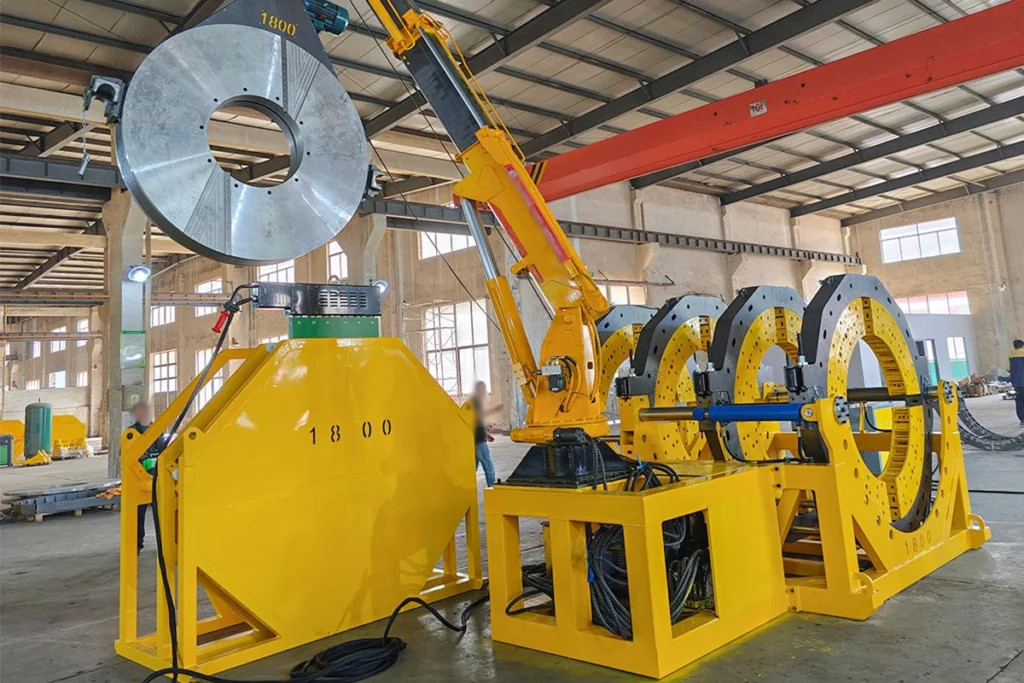
Finding a reliable butt fusion machine supplier in Libya can make or break large-scale pipeline projects — from water networks and irrigation systems to oil & gas and municipal utilities. The right supplier delivers not only machines but also technical guidance, spare parts, and responsive service that match Libya’s unique project timelines and climate challenges.
Why Libya’s Infrastructure Projects Need Trusted Butt Fusion Equipment
Durability under desert conditions: HDPE welding machines used in Libya must resist sand, heat, and long field hours. Reliable equipment reduces downtime and ensures consistent joint quality for critical pipelines.
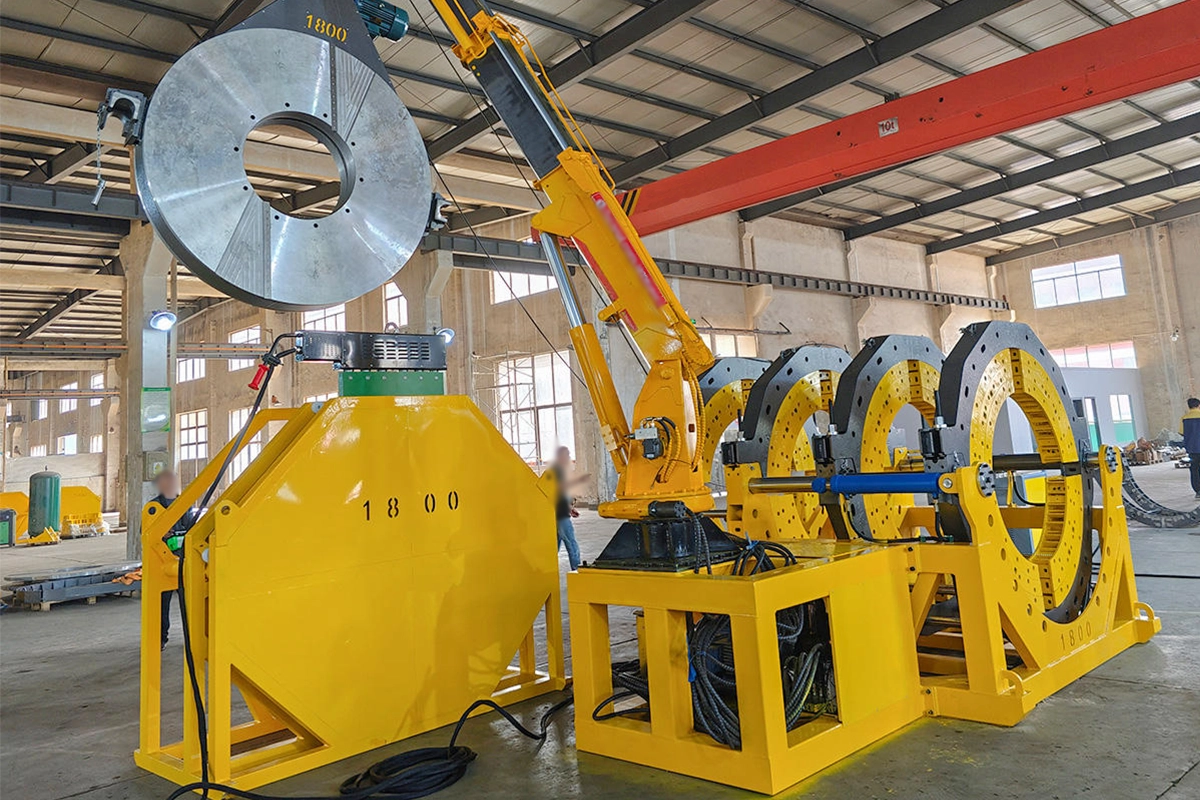
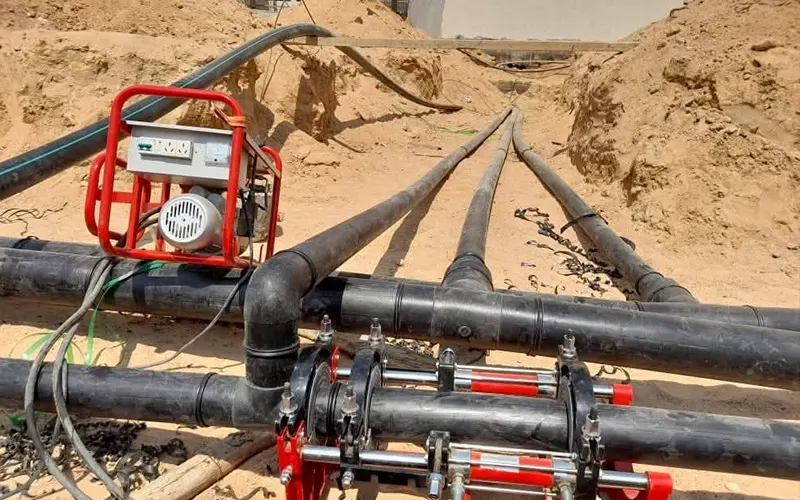
Versatility for local industries: Municipal water, agricultural irrigation, oilfield utility lines, and LPG distribution all rely on leak-free HDPE joints. A supplier that offers manual, hydraulic, and automatic butt fusion solutions helps contractors choose the right machine for each job.
Key Criteria to Evaluate a Butt Fusion Machine Supplier
Product range: Ensure the supplier offers machines for small-diameter to large-diameter pipes and multi-angle fitting welders for complex projects.
Quality control & certifications: Look for manufacturers with documented QC processes, material traceability, and international certifications relevant to pipeline works.
After-sales support: Fast spare parts delivery, remote technical support, and on-site commissioning are essential in Libya where logistics can be challenging.
Local logistics and shipping: Suppliers familiar with North African shipping routes, customs procedures, and packaging standards save time and cost.
Quick Comparison of Typical Butt Fusion Options
| Model Type | Pipe Range | Best For | Field Advantage |
|---|---|---|---|
| Manual Butt Fusion | 20mm – 315mm | Small repairs, remote sites | Portable, low-cost |
| Hydraulic Butt Fusion | 160mm – 2000mm+ | Large-diameter pipelines | High precision, heavy-duty |
| Automatic/CNC Butt Fusion | 63mm – 1250mm | High-volume, repeatable welds | Data logging, consistent quality |
Practical Tips for Buyers in Libya
Verify field references: Ask for examples of past projects in North Africa or similar climates to confirm machine performance under local conditions.
Check spare parts availability: Confirm lead times for consumables (heating plates, clamps, trimming tools) to avoid costly project delays.
Assess training and documentation: Arabic or English training materials, on-site commissioning, and welding procedure specifications (WPS) will help Libyan teams achieve proper welds sooner.
Shipping, Customs and Installation Considerations
Shipping routes: Choose suppliers experienced with ports such as Tripoli and Benghazi to streamline import and clearance.
Packaging & insurance: Heavy-duty crating and transit insurance are critical for hydraulic and automatic machines transported by sea.
Local assembly: Confirm whether the supplier provides commissioning and calibration services on delivery to ensure machines are ready for immediate operation.
How to Contact a Trusted Manufacturer
For dependable HDPE butt fusion machines, consider working with a manufacturer that offers a broad product line, strict quality control, and global project experience. Learn more or request a quote at https://jq-fusionwelding.com/
Make your next pipeline project in Libya smoother: choose machines built for the climate, supported by responsive service and clear technical guidance.



