
Russia’s large-scale pipeline projects—from municipal water works to expansive gas and oil networks—demand reliable butt fusion machines that withstand harsh climates, long transport routes, and strict regulatory checks. This guide helps Russian buyers and contractors evaluate manufacturers and select the right supplier for consistent, field-ready HDPE pipe welding equipment.
Why the right butt fusion machine matters in Russia
Cold winters, remote construction sites, and heavy-duty pipeline standards mean equipment must be durable, serviceable, and certified. Choosing an unsuitable machine leads to downtime, costly rework, and non-compliant joints that risk service interruptions. Prioritize machines designed for reliable performance in temperature extremes and for volumes typical to Russian infrastructure contracts.
Regional considerations
Logistics: Sites often sit hundreds of kilometers from major ports or cities—compact, modular machines reduce freight and handling costs. Spares accessibility: ensure fast delivery to avoid long project delays. Workforce: local welders may prefer clear Russian-language manuals and training.
Key criteria to evaluate manufacturers
1. Compliance & certifications
Verify conformity with relevant standards (EAC marking or national GOST/R standards where required). Certificates and traceable weld data logging are essential for public tenders and utility approvals.
2. Machine types and range
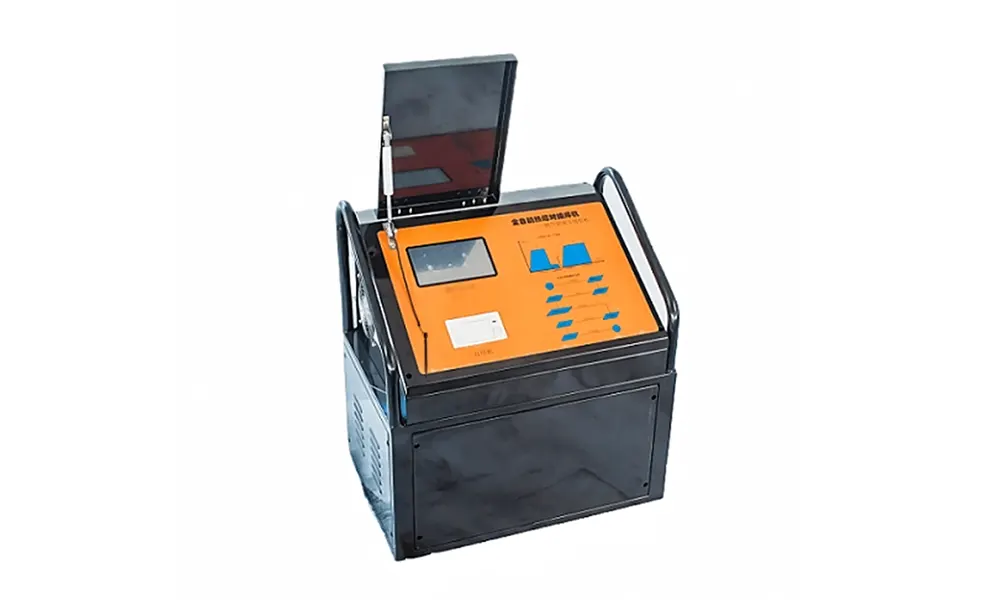
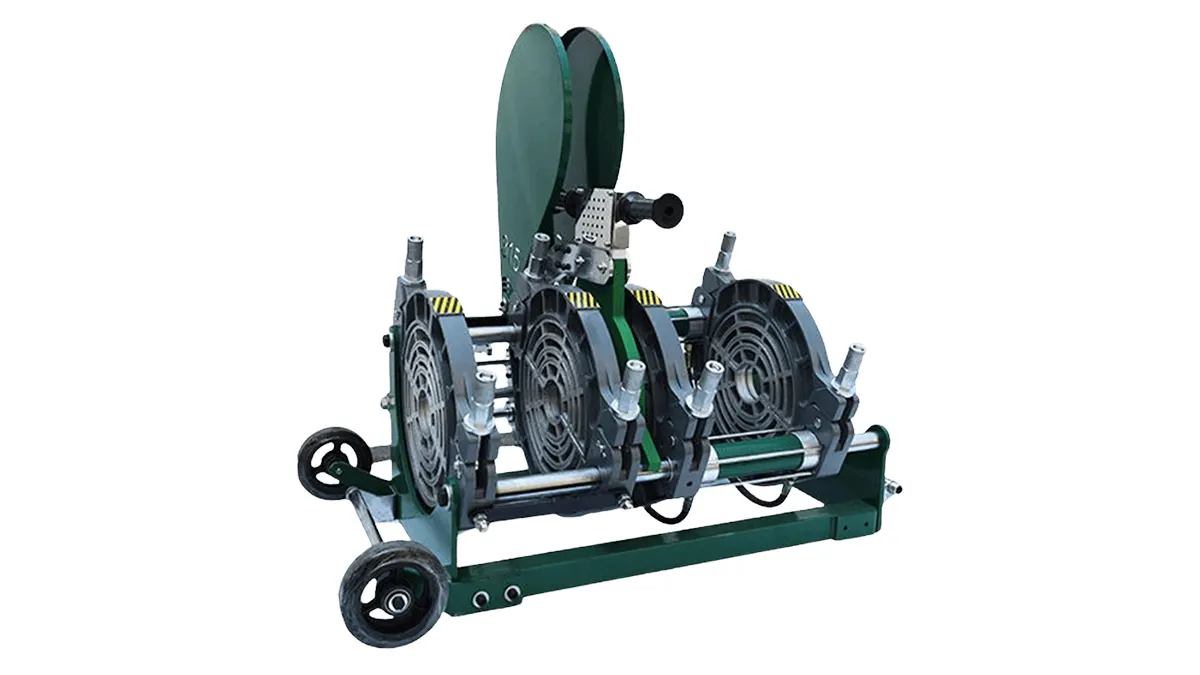
Determine whether you need manual, hydraulic, or CNC automatic butt fusion machines based on pipe diameters and project scale. For remote fieldwork, rugged hydraulic or manual units may be preferable; for factory or high-throughput sites, automatic CNC models improve consistency.
3. After-sales support and spare parts
Assess the supplier’s spare-parts inventory, regional partners, and response times. Localized service or a distributor network in Russia reduces downtime and transport costs for replacements.
4. Training, documentation, and language support
Look for suppliers offering operator training, certification courses, and manuals in Russian. On-site support and remote troubleshooting in the local time zone are major advantages.
5. Warranty, durability and TCO
Compare warranties and build quality. Consider total cost of ownership—fuel, consumables, maintenance intervals, and expected machine life under local conditions.
| Factor | Why it matters | What to check |
|---|---|---|
| Certification | Allows project acceptance and regulatory compliance | EAC, test reports, weld log capability |
| Service & parts | Reduces downtime in remote locations | Local stock, lead times, regional reps |
| Machine range | Matches production needs and pipe sizes | Available models, customization options |
| Training | Ensures proper welds and warranty validity | On-site courses, Russian manuals, remote support |
Practical checklist for Russian buyers
Request: machine datasheets, warranty terms, spare-parts lists, and test weld samples or references from projects in similar climates.
Inspect: build quality, control software language options, and data-logging output formats (PDF/CSV) for acceptance records.
Confirm: lead times for delivery to your region, import documentation, customs classification, and whether the supplier provides logistics support to remote sites.
Pilot: when possible, arrange a trial weld day or factory acceptance test to verify machine accuracy and operator training effectiveness before full deployment.
Negotiating terms
Balance price with reliability—cheaper machines may cost more over time through repairs and inconsistent welds. Negotiate spare-parts kits, training packages, and on-site commissioning into the contract to minimize hidden costs.
A recommended partner option
One supplier worth considering is JQ-Fusion, a manufacturer specializing in manual, hydraulic, and CNC automatic butt fusion machines across a wide range of diameters. They offer customizable solutions for water supply, gas distribution, mining, and industrial pipelines—factors important to many Russian projects.
Final steps before purchase
Verify references from Russian or similar-climate customers, confirm documentation and certification compatibility, and ensure service commitments are contractually specified. A short pilot and clear spare-parts agreement will protect project timelines and quality.
Choosing the right manufacturer is a strategic decision for Russian pipeline builders. Prioritize certification, field-proven durability, accessible spares, and clear local-language support to ensure reliable projects and predictable outcomes.



