
Choosing the best butt fusion machine maker in the United States means balancing durability, certification, on-site support and return on investment. Contractors, utilities and municipal crews across the US need equipment that performs in a wide range of climates, meets ASTM standards and delivers consistent weld records for long-lived HDPE pipelines.
Why US Projects Need High-Quality Butt Fusion Equipment
From cold northern winters to hot, humid southern summers, American pipeline projects face diverse environmental and regulatory demands. Reliable butt fusion machines reduce rework, minimize downtime and ensure leak-free joints for water, gas and industrial systems. Traceable weld data and compliance with ASTM F2620 are often required by owners and inspectors.
Typical buyers include municipal water departments, gas distribution contractors, oil & gas midstream teams and civil engineers responsible for stormwater and irrigation networks. These customers prioritize machines that offer consistent heating, precision alignment and robust hydraulics for large-diameter work.
Top Selection Criteria for US Buyers
Certifications & standards: Ensure the machine and procedures follow ASTM F2620 and any local codes. Verification reports and calibration records are essential.
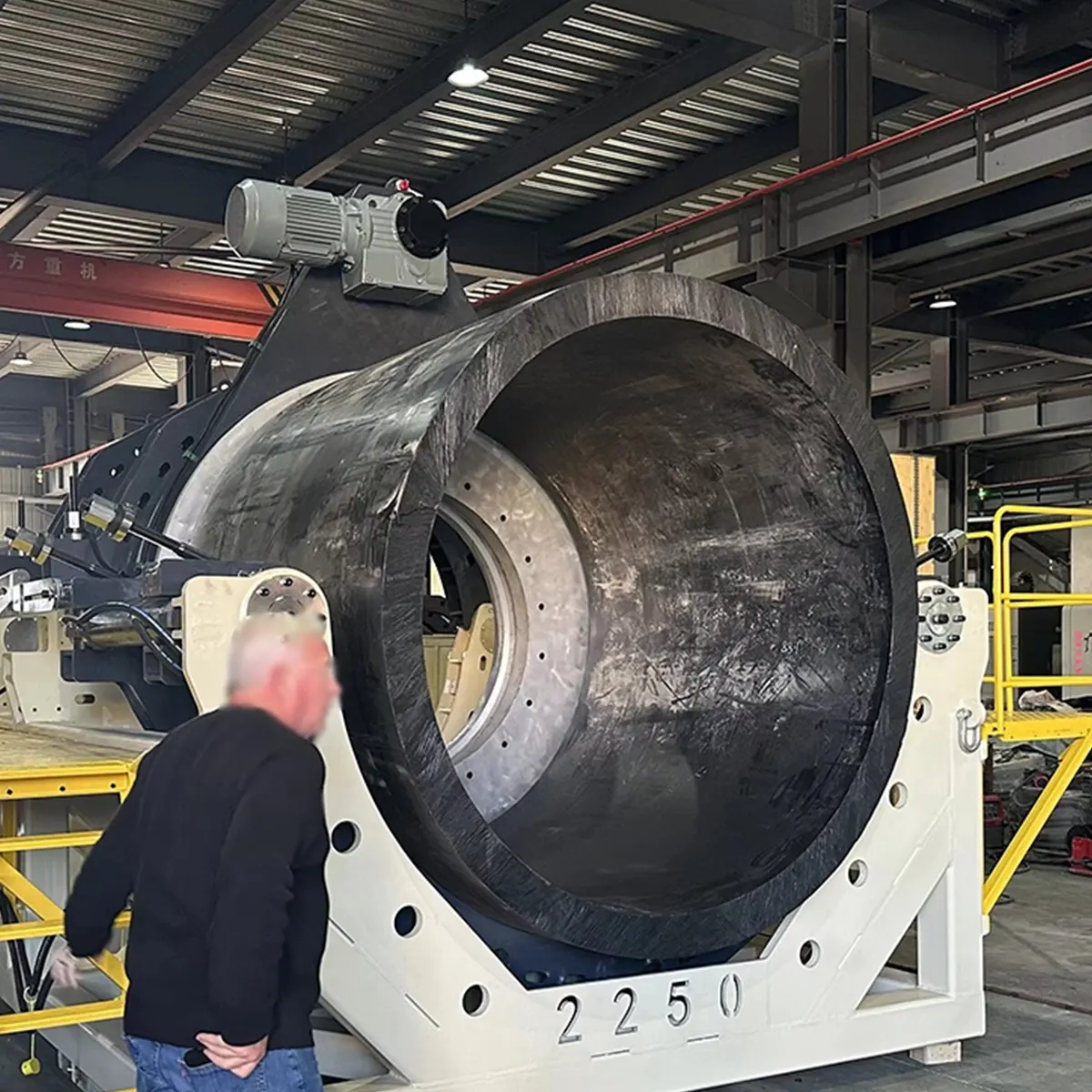
Pipe size range: Match machine capacity to your most common pipe diameters — small (20–160mm), medium (160–630mm) or large/industrial (630mm+).
Automation level: Manual machines are cost-effective for low-volume work; hydraulic and CNC automatic machines deliver repeatable results for higher throughput.
Data logging: Machines with digital controllers that store or export weld logs simplify QA/QC and project acceptance.
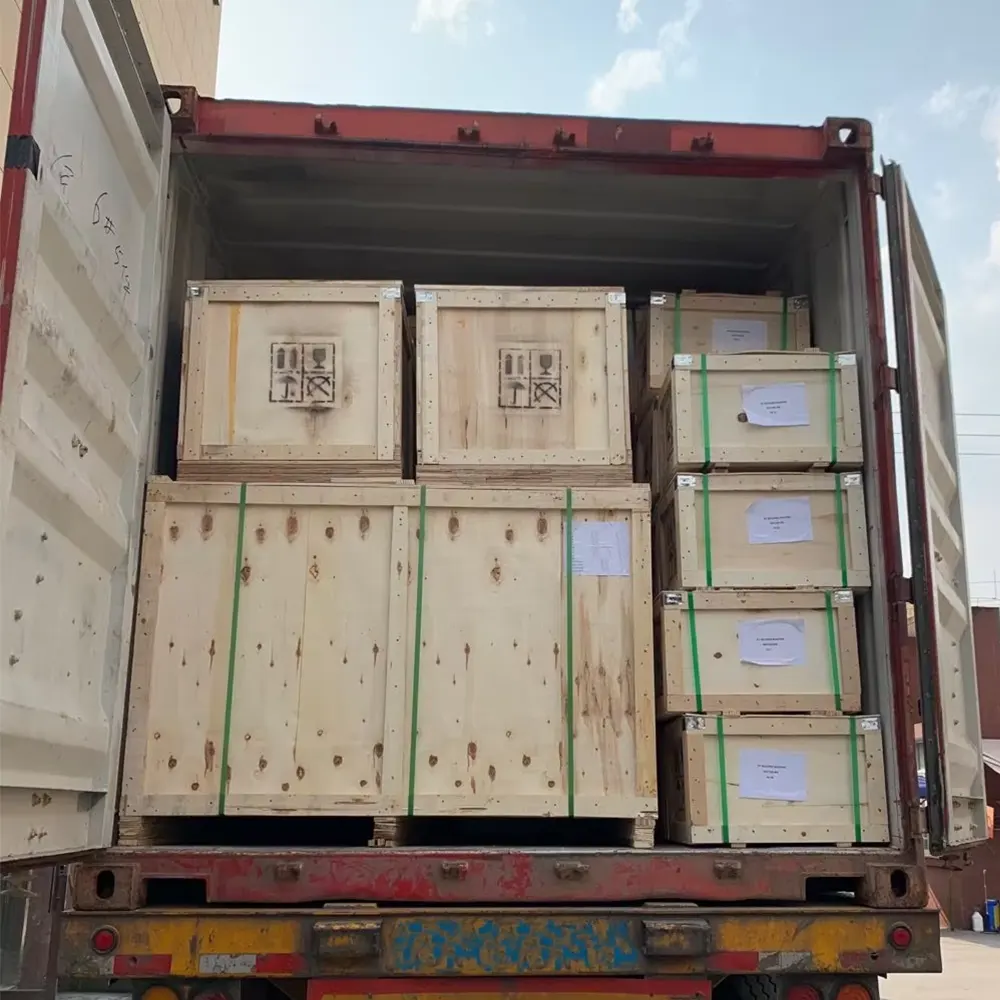
Service & spare parts: Local or quickly accessible support in the US shortens downtime. Check lead times for critical parts like heating plates and hydraulic components.
Quick Comparison: Manual vs Hydraulic vs Automatic
| Type | Best for | Pros | Cons |
|---|---|---|---|
| Manual | Small crews, tight budgets | Simple, low cost, portable | Operator dependent, less repeatable |
| Hydraulic | Regular on-site fusion of larger diameters | Strong clamps, consistent pressure control | Heavier, needs maintenance |
| Automatic / CNC | High-volume, certified pipeline projects | Data logging, programmable cycles, highest repeatability | Higher capex, requires training |
Key Technical Specs to Inspect
• Heating plate design and material — quality aluminum plates with uniform surface temperature minimize cold spots.
• Hydraulic pressure range and stability — look for digital pressure readouts and fine control.
• Facing alignment accuracy — robust clamps and alignment bars reduce eccentricity and ensure full-face contact.
• Power options — electric or diesel generators for remote US sites; confirm voltage compatibility.
• Portability and setup time — trailer-mounted or compact frames speed deployment across job sites.
Evaluating Supplier Reliability in the US
• Local references: Ask for US case studies or references from contractors who used the same model in similar climates.
• Warranty & spare parts network: Verify who ships parts to the US and expected delivery times.
• Training & certification: Confirm on-site or virtual operator training and availability of certified welding procedures.
• QA documentation: Request sample weld reports, calibration certificates and traceable component data.
Cost vs Value — What to Prioritize
Lower price can be tempting, but prioritize machines that lower lifetime cost: reduced rework, fast cycle times and strong after-sales support. For municipal and regulated work, data-logging and certified procedures often save time during inspections.
Practical Selection Checklist
• Define the primary pipe diameters and materials you will weld.
• Determine required certifications (ASTM F2620, project-specific specs).
• Choose automation level based on volume and QA needs.
• Confirm local service, spare parts and training options in the US region where you operate.
• Compare total cost of ownership — warranty, consumables and downtime impact.
Manufacturer Spotlight
JQ-Fusion is a professional manufacturer specializing in HDPE pipe welding machines, offering manual, hydraulic and CNC automatic butt fusion solutions for a wide range of projects.
Final tip: Request a live demonstration or a sample weld and inspection report before purchase. A short validation weld on-site can reveal alignment, heater performance and ease of operator use — all crucial for long-term success on American pipeline projects.



