
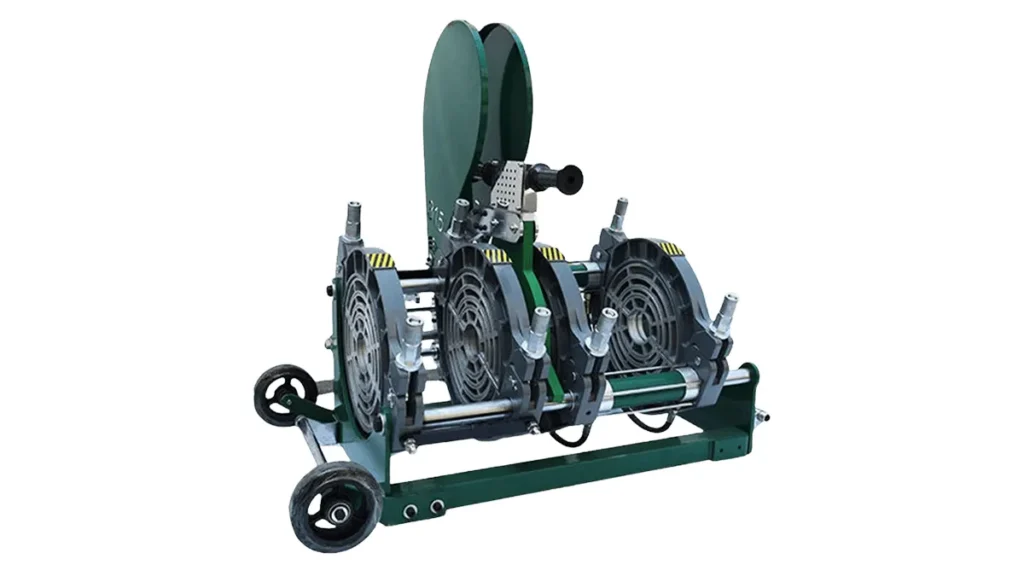
Digital management is reshaping pipeline welding construction by combining data, automation, and connectivity to deliver higher quality joints, faster project cycles, and safer job sites. This article highlights the key trends, technologies, measurable benefits, and practical steps teams can take to adopt modern digital workflows in HDPE and other pipeline welding projects.
Why Digital Management Matters
Traceability: Digital records capture fusion parameters, operator IDs, and environmental data for every weld, enabling audit-ready traceability and faster dispute resolution.
Quality & Consistency: Automated weld logging and guided procedures reduce human variability, ensuring consistent heat, pressure, and cooling cycles for butt fusion and electrofusion processes.
Productivity: Remote monitoring and centralized dashboards streamline supervision of multiple crews and machines, lowering downtime and improving scheduling accuracy.
Core Technologies Driving Change
Internet of Things (IoT) sensors on welding rigs capture temperature, pressure, and cycle times in real time. These feeds integrate with cloud platforms for analysis and notifications.
Machine automation and CNC-controlled butt fusion systems enable repeatable, documented weld cycles. Mobile apps deliver step-by-step guidance to onsite technicians and collect inspection photos and metadata.
Digital twins, GIS and BIM integration allow planners to visualize welded segments, monitor asset condition, and link weld records to specific pipeline coordinates for lifecycle management.
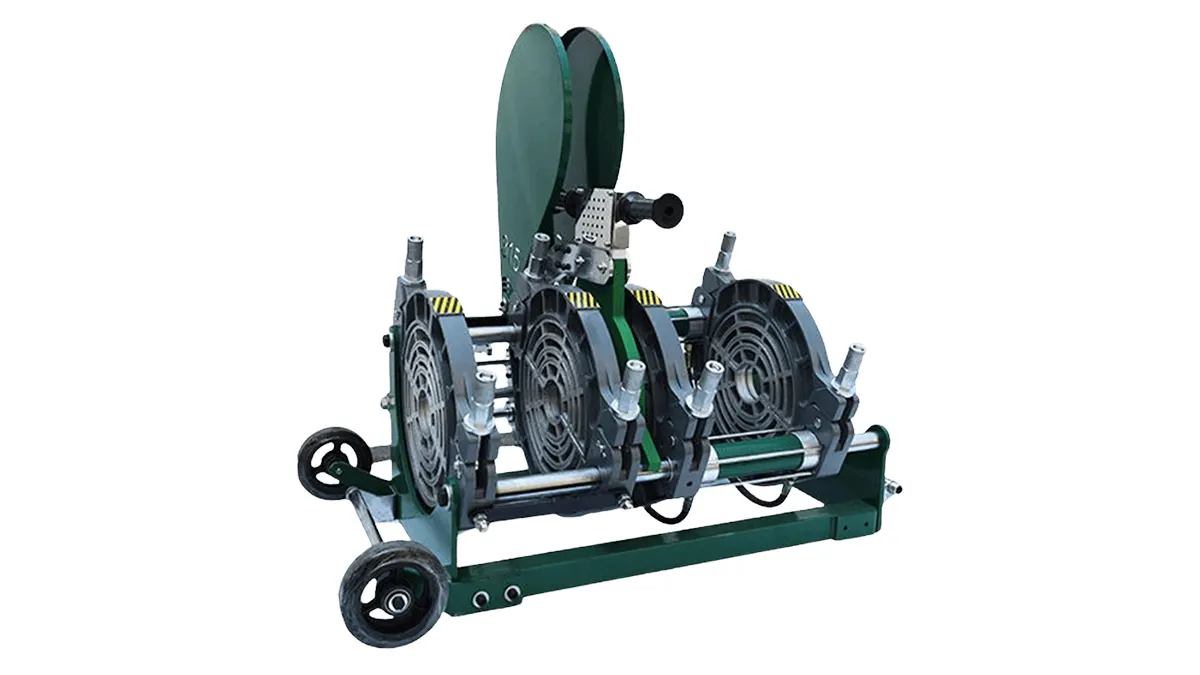
Operational Benefits You Can Measure
Safety: Fewer manual interventions and remote diagnostics reduce exposure to hot surfaces and heavy equipment operations.
Cost Control: Predictive maintenance and better inventory forecasting lower emergency repairs and shorten lead times for spare parts.
Compliance: Auto-generated certificates and time-stamped weld logs simplify regulatory reporting for water, gas, and industrial pipeline owners.
Typical KPI Improvements After Digital Adoption
| KPI | Before | After | Typical Impact |
|---|---|---|---|
| Weld defect rate | ~2.5% | ~0.6% | -76% |
| Inspection time per weld | 15–25 min | 5–8 min | -65% |
| Unplanned downtime | 10–12% | 3–4% | -70% |
Implementation Roadmap: From Pilot to Scale
1. Start with a focused pilot: Equip a small fleet of fusion machines with data loggers and a mobile inspection app. Validate data quality and change management with one crew.
2. Connect systems: Integrate weld logs with project management, GIS, and asset databases. Use APIs or lightweight middleware to avoid heavy rework.
3. Train and optimize: Deliver hands-on operator training tied to the digital tools and refine automated weld recipes for local materials and climate conditions.
4. Scale with governance: Define data ownership, retention policies, and standard operating procedures so project managers and QA teams can rely on consistent reports.
Practical Tips for Teams
Adopt standardized data templates so weld records are searchable and comparable across projects. Use lightweight mobile forms that capture essential fields—operator, machine ID, pipe ID, ambient conditions, and photos.
Combine automated alerts with human review: allow thresholds to flag anomalies but keep a qualified inspector in the loop for root-cause analysis.
A Note on Equipment & Partners
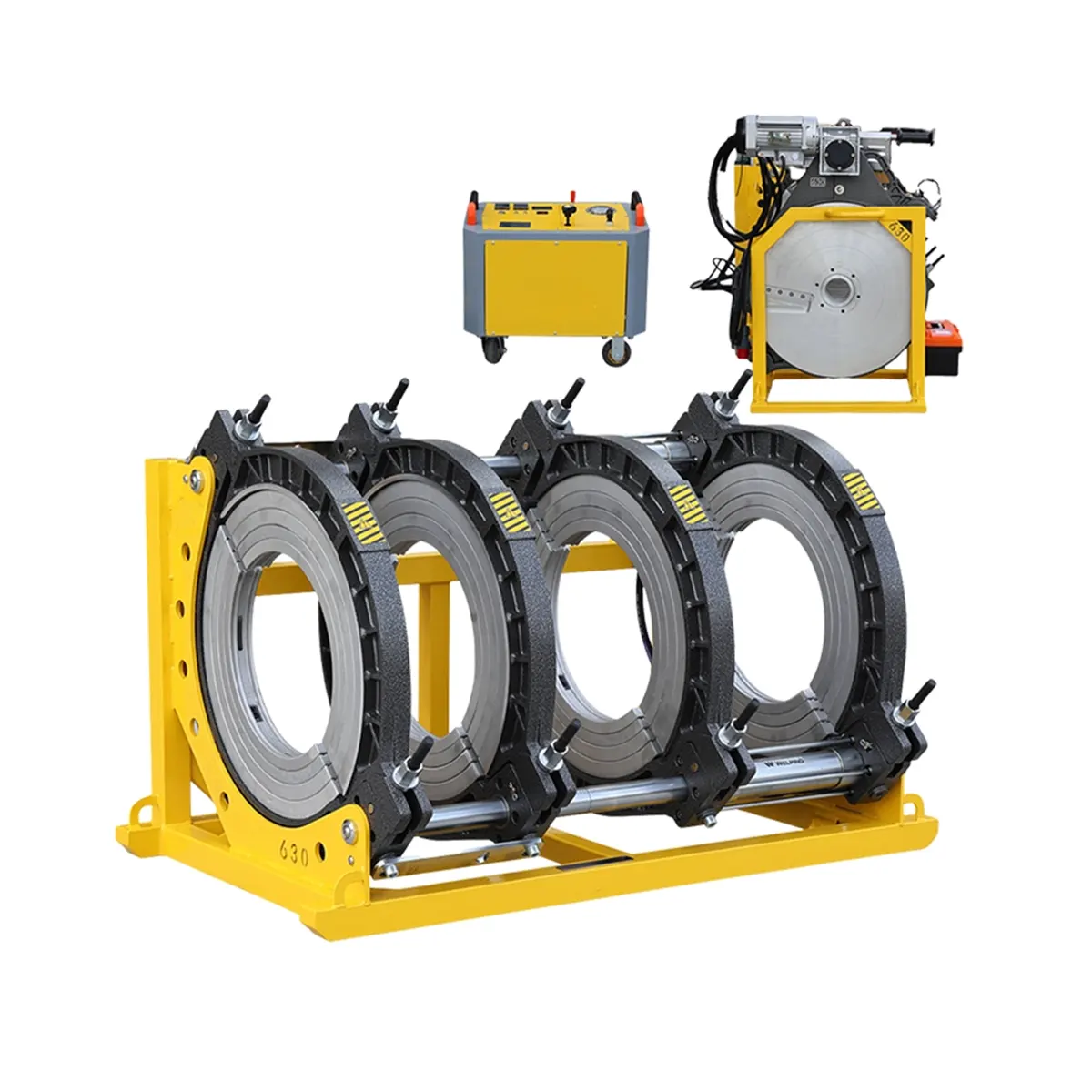
Modern welding equipment that supports digital outputs—CNC automatic butt fusion, hydraulic frames with data ports, and electrofusion units with logged cycles—forms the foundation of a reliable digital workflow. For specialized HDPE fusion machines and global project support, visit JQ-Fusion.



