
Choosing the right butt fusion machine maker in Spain means balancing machine performance, local support and compliance with European standards. This guide helps Spanish contractors, municipal utilities and pipeline installers evaluate manufacturers and pick equipment that matches climate, project scale and workforce skills.
Understand the Types of Butt Fusion Machines
There are three main categories to consider: manual, hydraulic and automatic/CNC. Each suits different workflows in Spain — from small urban repairs in tight neighbourhood streets to large rural water distribution projects.
Why machine type matters for Spanish projects
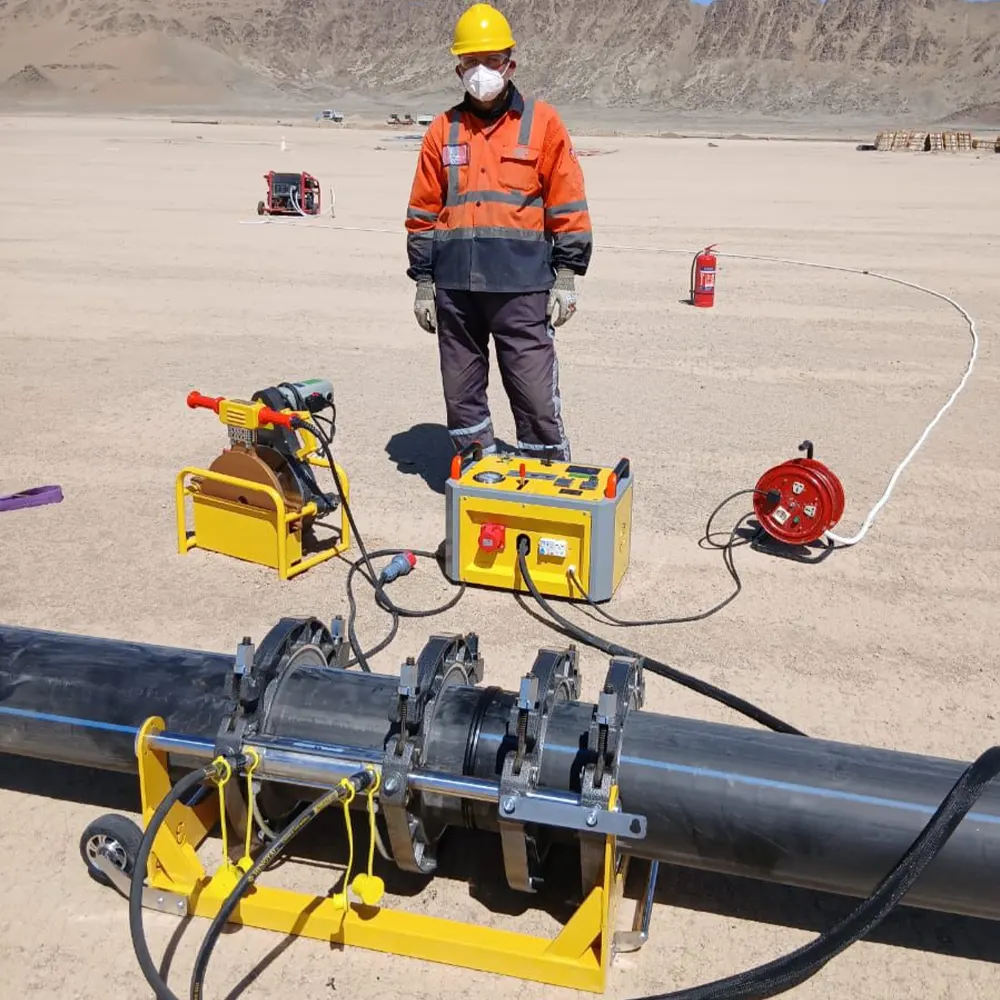
Urban projects in Spain often require compact, portable units for quick repairs, while regional water and gas networks benefit from hydraulic or automatic machines that handle larger diameters and deliver consistent weld quality under varied site conditions.
Key Selection Criteria
When comparing manufacturers, focus on the following:
- Certifications: CE marking and compliance with EN standards are essential for equipment used across Spain and the EU.
- After-sales support: Local spare parts availability and technical service reduce downtime on critical municipal projects.
- Training & documentation: Spanish-language manuals and on-site training accelerate safe adoption by crews.
- Durability & portability: Coastal, high-humidity environments in parts of Spain demand corrosion-resistant finishes and robust electronics.
- Customization: Ability to adapt clamps, adapters or power options for regional pipe types and diameters.
A Quick Comparison Table
| Machine Type | Best For | Typical Pipe Range | Key Benefit |
|---|---|---|---|
| Manual | Small repairs, tight spaces | 20–315 mm | Cost-effective & portable |
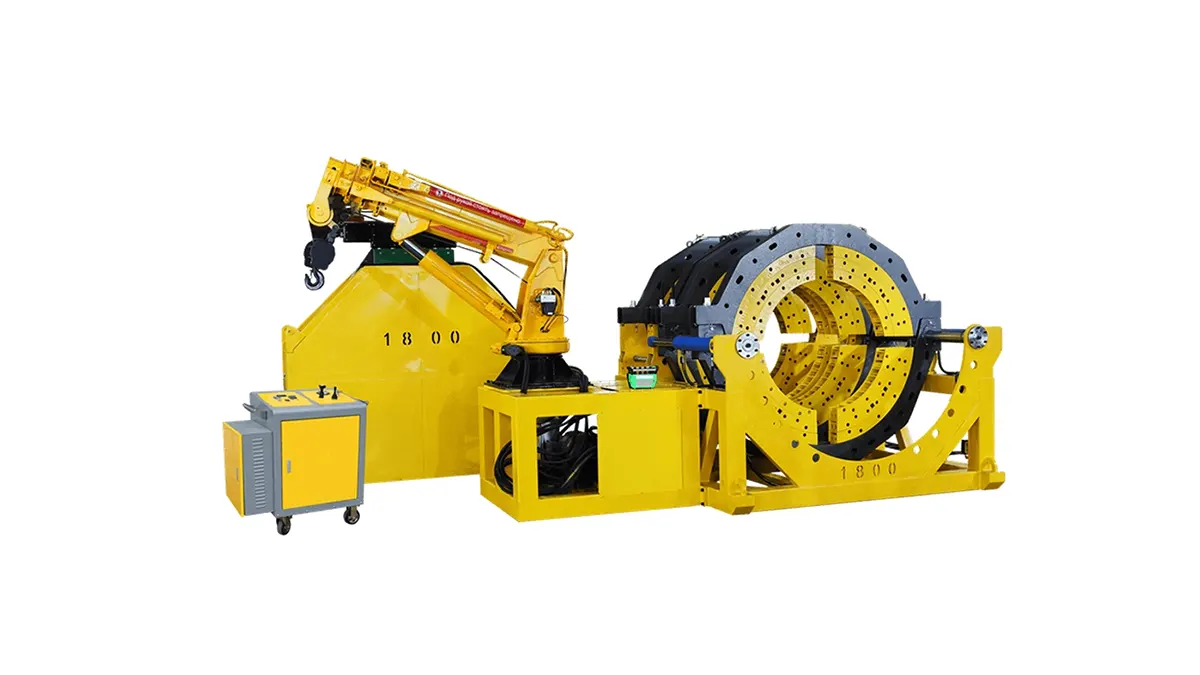
| Hydraulic | Mid-to-large diameter pipelines | 63–1600 mm | High clamping force, stable welds |
| Automatic / CNC | High-volume, precision projects | 63–1250+ mm | Repeatable weld cycles & logging |
Questions to Ask Potential Manufacturers
Use this shortlist when communicating with suppliers in Spain:
- Do you provide CE documentation and a conformity certificate?
- Can you supply Spanish-language manuals and training on-site?
- What is the lead time for spare parts and consumables delivered to Spanish ports?
- Do machines include data logging for QA on municipal contracts?
- Is there an option for custom fixtures to match Spanish pipe fittings?
Local considerations for Spain
Contractors in Spain value clear warranty terms and a supplier that understands regional procurement cycles. For example, seasonal outdoor work windows and Mediterranean weather patterns affect scheduling — reliable service response is therefore crucial.
Price vs. Value: What to Prioritize
Low purchase price can be attractive, but prioritise total cost of ownership: reliability, spare parts pricing, training and machine lifespan. For municipal tenders and long-term network maintenance in Spain, investing in proven reliability often lowers lifecycle costs.
Warranty, Training and Spare Parts
Ensure the manufacturer offers clear warranty coverage, optional extended plans and rapid spare parts shipping to Spanish distribution centers. On-site or local training in Spanish reduces operator errors and enhances safety.
Final step before purchase
Request references from Spanish clients or European projects and, if possible, a demonstration or trial weld. Seeing the machine in action under real conditions gives insight into ergonomics, set-up time and weld quality.
Manufacturer example
For reliable butt fusion equipment and global experience tailored to infrastructure projects, consider contacting JQ-Fusion: https://jq-fusionwelding.com/
Quick checklist before you buy
– Verify CE/EN compliance
– Confirm local spare parts lead time
– Confirm Spanish-language training and manuals
– Ask for data-logging capability for QA
– Compare total cost of ownership, not just sticker price



