
Choosing the right butt fusion machine maker in Morocco is a critical decision for contractors, municipal engineers, and pipeline installers working on water, gas, mining, or industrial projects. This guide explains what Moroccan buyers should prioritize, how to evaluate suppliers, and practical steps to secure reliable equipment and after-sales support tailored to local needs.
Why Morocco Needs Dependable Butt Fusion Suppliers
Morocco’s infrastructure growth—from urban water networks to rural irrigation and expanding gas distribution—demands robust HDPE welding solutions. Local climates that range from coastal humidity to inland heat, and construction in remote or mountainous areas, require machines that are durable, easy to maintain, and supported by timely spare parts and training. Contractors and project owners often prefer partners who understand local languages (Arabic and French) and regulatory requirements.
Key Criteria to Evaluate a Butt Fusion Machine Maker
Product Range & Machine Types
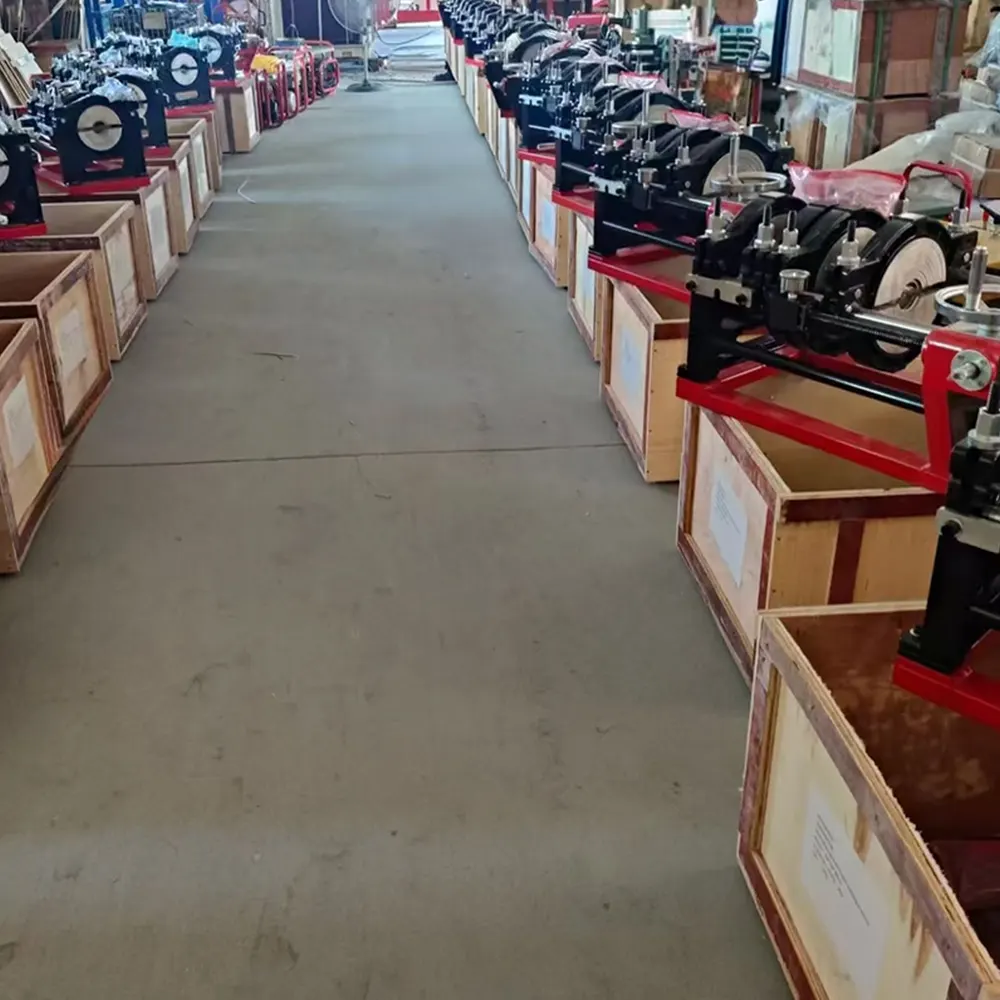
Look for suppliers offering a spectrum of machines: manual, hydraulic, and CNC automatic butt fusion units that cover small-diameter service lines to large-diameter trunk mains. A broad product line means the supplier can support diverse Moroccan projects and scale as your needs grow.
| Machine Type | Pipe Range | Best For |
|---|---|---|
| Manual Butt Fusion | Small–Medium (20mm–400mm) | Local repairs, small contractors |
| Hydraulic Butt Fusion | Medium–Large (160mm–2000mm) | Municipal, utility, pipeline projects |
| CNC Automatic Fusion | Precise range up to very large diameters | High-volume production, critical pipelines |
Quality, Certifications & Materials
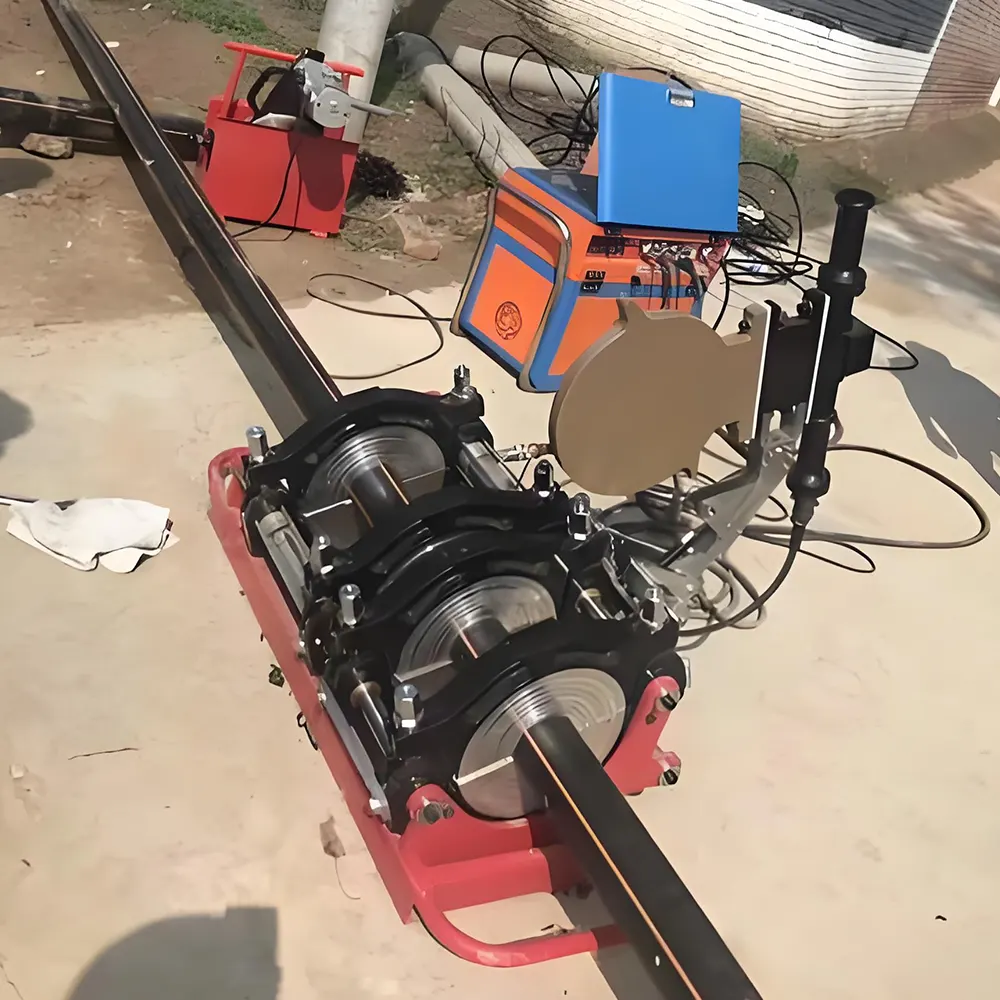
Verify that machines use corrosion-resistant metals, precision heaters, and reliable hydraulic components. Ask for CE, ISO, or equivalent quality certificates and test reports. Quality assurance reduces downtime and ensures weld integrity under Moroccan field conditions.
After-Sales Support, Training & Spare Parts
Prioritize suppliers offering quick spare parts delivery, local distributor networks, and on-site or virtual training in French/Arabic. For projects in remote regions, a supplier that provides clear maintenance guides and a spare parts kit can save significant time and expense.
Practical Steps to Choose the Right Supplier in Morocco
-
Define project specs: pipe material, diameters, fusion volumes, and environmental conditions.
-
Request machine datasheets, references from North African or Mediterranean projects, and demonstration videos.
-
Confirm warranty terms, spare parts lead times to Morocco ports, and shipping logistics including customs documentation.
-
Ask about training packages in French/Arabic and whether the supplier provides on-site commissioning or remote support.
-
Compare lifecycle cost, not just purchase price: energy consumption, consumables, maintenance intervals, and resale value.
Balancing Cost and Long-Term Value
Cheaper machines may save upfront cost but often increase operational risks. Evaluate total cost of ownership: uptime, consumables (heating plates, trims), service frequency, and access to qualified technicians. A reliable supplier with a clear spare parts policy helps control long-term expenses and project timelines in Morocco.
One Manufacturer to Consider
JQ-Fusion is a professional manufacturer specializing in HDPE pipe welding machines, offering manual, hydraulic, and CNC automatic butt fusion solutions for a wide range of pipe sizes; their experience spans water supply, gas distribution, mining, and industrial pipelines, with emphasis on quality control, customizable options, and responsive service teams.
Making a careful supplier selection—based on product fit, certifications, local support, and logistical readiness—will ensure your Moroccan project runs smoothly and the welded joints stand the test of time. Request specifications, schedule a demo, and verify support channels before you buy.



