
High pressure pipelines demand durable, leak-free joints — and butt fusion remains the industry-standard method for joining HDPE and other thermoplastic pipes. This guide covers the types of high pressure pipe butt fusion equipment, selection criteria, operation tips, and maintenance practices to help contractors, utility engineers, and procurement managers achieve reliable pipeline performance.
Why Butt Fusion for High Pressure Pipelines?
Butt fusion welding produces homogeneous, full-strength joints by heating pipe ends and pressing them together under controlled pressure and temperature. For high pressure systems used in water supply, gas distribution, and industrial applications, butt fusion offers:
– Consistent mechanical strength across the joint
– Minimal risk of corrosion or electrochemical degradation
– Smooth internal bore for reduced hydraulic loss
– Long service life when performed with proper equipment and technique
Key Performance Advantages
Pressure resistance: Properly fused HDPE joints retain near-parent-material strength, suitable for high-pressure ratings. Operational speed: Automated and hydraulic systems reduce cycle time and onsite labor. Repeatability: CNC-controlled machines produce uniform welds across long pipeline runs.
Types of Butt Fusion Equipment
Selecting the right machine depends on pipe diameter, field conditions, and production targets. Common categories include:
Manual Butt Fusion Machines — Compact and cost-effective for smaller diameters and repair work.
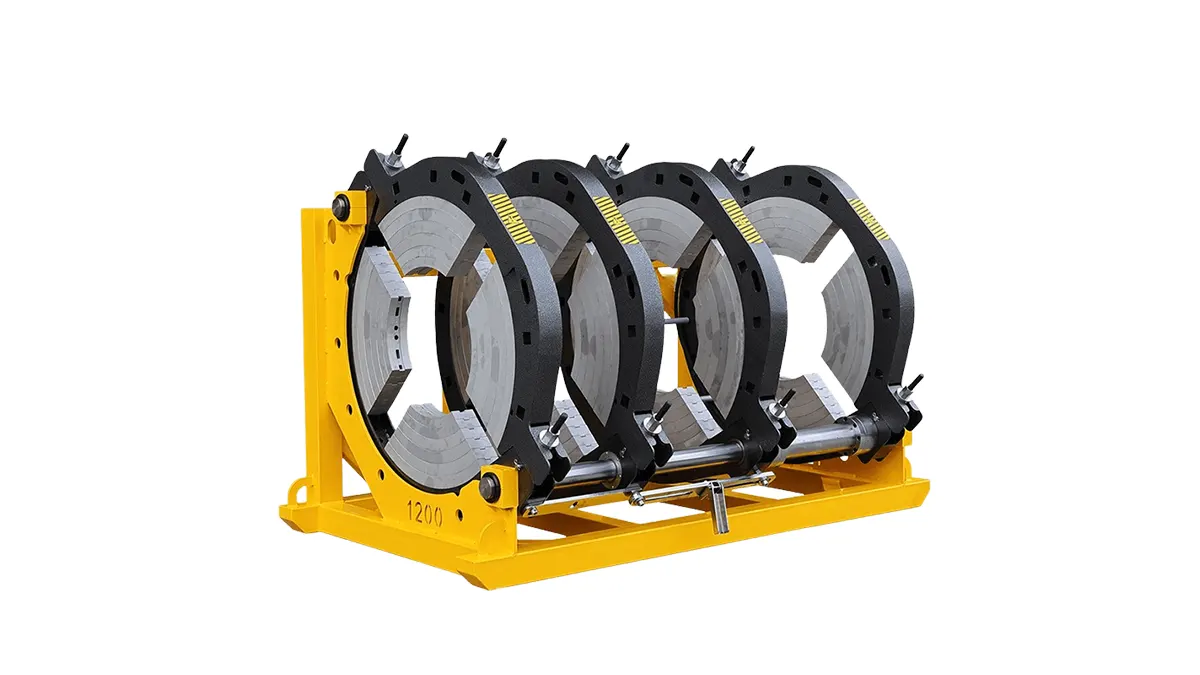
Hydraulic Butt Fusion Machines — Provide steady clamping and controlled force for mid-to-large diameters in field environments.
Automatic/CNC Butt Fusion Machines — Ideal for high-volume projects and precision welding of medium to large pipes, offering programmable cycles and data logging.
Specialized Equipment
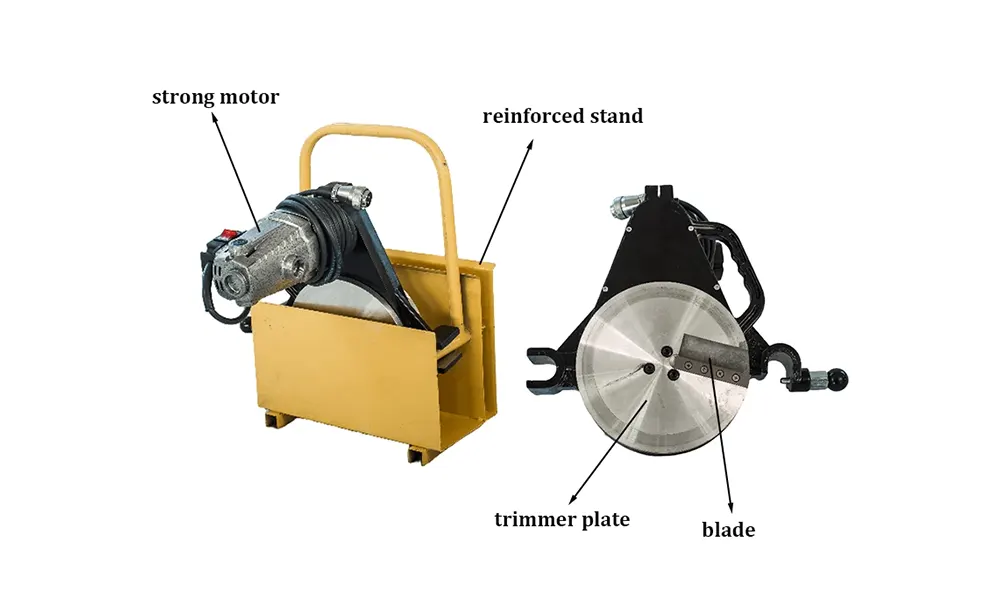
Multi-angle fitting machines, trimming tools, heating plates, and electrofusion units complement butt fusion setups. Choose accessories that match pipe material (HDPE, PP, PVDF) and the size range required for your project.
How to Choose the Right Machine — Quick Selection Table
| Machine Type | Pipe Range (mm) | Best For |
|---|---|---|
| Manual Butt Fusion | 16–315 | Repairs, small site work |
| Hydraulic Butt Fusion | 63–1600+ | Large-diameter field pipelines |
| Automatic/CNC Fusion | 63–1250 | High-output production, data traceability |
Best Practices for High-Pressure Butt Fusion
Surface preparation: Always square and clean pipe ends using a trimmer designed for plastic pipe. Heating and timing: Follow manufacturer-recommended temperature and fusion time adjusted for SDR and ambient conditions. Alignment and restraint: Ensure clamps hold pipes coaxially to prevent stress risers in the joint.
On cold or windy job sites, protect the heating plate and fusion zone from drafts to maintain stable heating. For gas distribution and critical water mains, maintain welding records, including temperatures, pressures, and operator IDs for QA.
Operator Training & Certification
Experienced welders produce fewer rejects. Invest in certified training and create a quality checklist: visual inspection, bead size verification, cooling time adherence, and destructive or non-destructive testing where required for high-pressure applications.
Maintenance and Safety Considerations
Routine maintenance extends machine life and ensures consistent weld quality. Key tasks include hydraulic fluid checks, plate surface cleaning, calibration of pressure gauges, and inspection of clamps and jaws for wear. Implement safety measures: PPE for operators, secure lifting for large machines, and lockout procedures for electrical components.
Troubleshooting Common Weld Issues
– Cold welds or weak beads: verify heater temperature and fusion time.
– Misalignment: check clamping surfaces and pipe facing quality.
– Burned or oxidized surfaces: replace heating plate Teflon covers and avoid overheating.
Choosing a Supplier
Look for manufacturers who provide clear technical data, training, spare parts availability, and responsive service. JQ-Fusion offers a broad range of manual, hydraulic, and automatic butt fusion machines with global support tailored for water, gas, mining, and industrial pipeline projects.
Frequently Asked Questions
Q: Can butt fusion be used for all HDPE pressure ratings?
A: Yes, when performed correctly with machines sized for the pipe diameter and appropriate fusion parameters.
Q: How long should welded joints cool before handling?
A: Cooling time varies by diameter and SDR; follow machine guidelines and allow sufficient time to reach recommended cooldown temperature before disturbance.
For project quotes, machine specifications, or training options, contact your equipment supplier to confirm compatible models and service plans.



