
Buying the right butt fusion machine in Ecuador requires more than price comparison — you need to match equipment to local conditions (Andean highlands, coastal projects, Amazon basin), common pipe sizes, logistics, and Spanish-language support. This guide walks contractors, municipal buyers, and distributors through practical steps to find the best butt fusion machine maker for Ecuadorian infrastructure projects.
Why the right butt fusion machine matters in Ecuador
Terrain and climate vary widely across Ecuador: high-altitude cold in the Sierra, humid conditions in the Oriente, and marine salt air on the coast. Machines must be durable, portable for remote sites, and tolerant of temperature and humidity changes. For rural potable water programs and irrigation networks, reliable fusion joints mean fewer leaks and long-term savings.
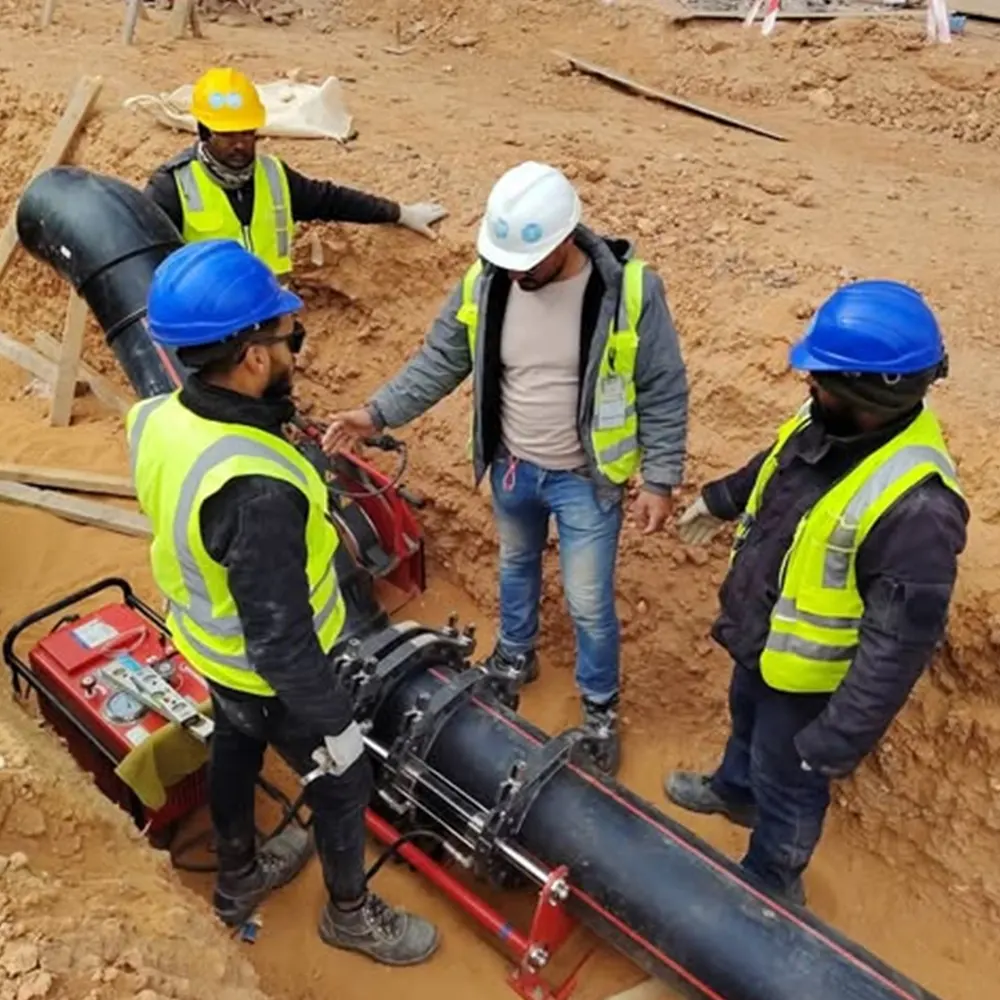
Project types in Ecuador commonly include water supply upgrades, gas distribution in cities, mining and hydro projects, and rural irrigation. Each project type favors different fusion equipment: manual or small hydraulic units for remote repairs, and CNC automatic machines for high-volume pipeline construction.
What to look for in a manufacturer
Proven quality — Ask for test records, fusion procedure qualifications, and references from projects with similar scope and environment to yours.
After-sales support — Spanish-speaking technical support, local spare parts availability, and on-site training reduce downtime on Ecuador projects.
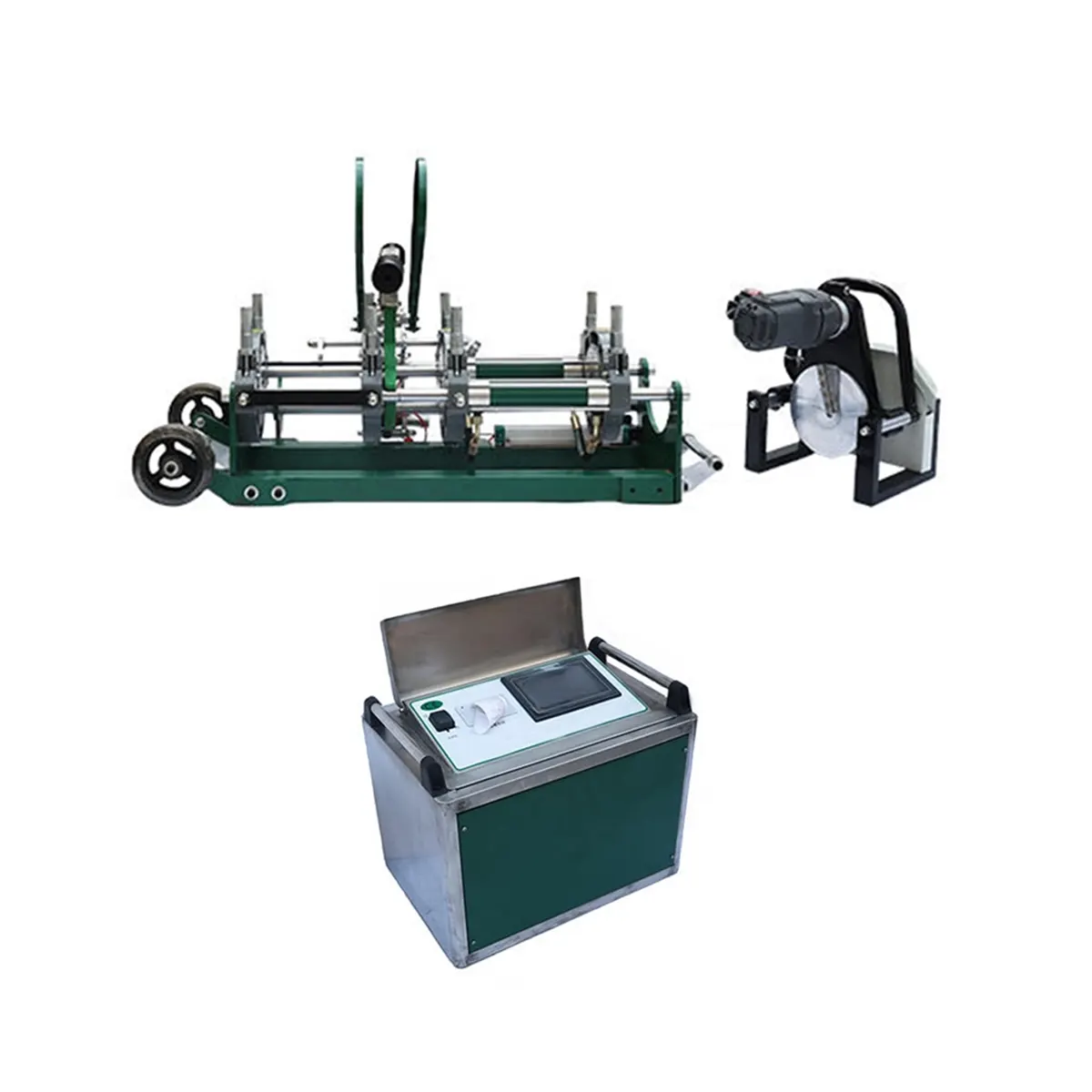
Custom solutions — The best makers offer flexible options (manual, hydraulic, semi-automatic, CNC) and accessories like pipe-trimmers, heating plates, and carrying frames that suit local diameters and jobsite mobility.
Technical checklist for Ecuador projects
Below are the core technical features to compare when choosing a supplier for Ecuador:
| Feature | Recommended | Why it matters |
|---|---|---|
| Pipe diameter range | Ø20mm–Ø1600mm options | Covers small rural repairs to large water transmission lines |
| Power & control | Battery/12V for remote use + mains for factories | Flexibility on sites without stable power |
| Material compatibility | HDPE, MDPE, PE100 | Ensures correct fusion parameters for common pipe types |
| Portability | Lightweight frames, quick-setup clamps | Critical for mountainous and jungle access |
| Digital control / traceability | Data logging & printable reports | Project QA and public works compliance |
Compliance, testing and standards
Certifications (ISO, CE where applicable) and documented welding procedures help Ecuadorian buyers meet municipal and national procurement rules. Request sample fusion reports and ask about third-party testing to verify joint strength.
After-sales support, training and spare parts
Confirm lead times for spare parts shipped to Ecuador, availability of Spanish manuals, and whether the manufacturer provides on-site training or remote guidance. Local distributors or regional service centers speed repairs and maintenance.
How to evaluate suppliers for Ecuador projects
Request local references—ask for recent project contacts in Latin America or similar climates. Visit installations or ask for video walkthroughs of machines operating on-site.
Compare warranties and service agreements—longer warranties and clear SLAs indicate confidence in product durability.
Check shipping and customs experience—manufacturers familiar with Ecuadorian import procedures can advise on documentation, taxes, and preferred freight routes (ports of Guayaquil, Esmeraldas).
Training and language—ensure training is available in Spanish or through local partners for faster team upskilling.
Why JQ-Fusion is a strong option
JQ-Fusion is a professional manufacturer specializing in HDPE pipe welding machines, offering manual, hydraulic, and CNC automatic butt fusion machines across a wide diameter range. With experience supplying infrastructure projects globally, they provide quality control documentation, customizable models, and machine types suitable for the varied terrains found in Ecuador — from small manual sets for rural repairs to automatic systems for large municipal projects. More details: https://jq-fusionwelding.com/
Recommended machine types by typical Ecuador use
Rural water networks: Manual or 1–2M portable hydraulic units for Ø20–Ø160mm pipes.
Urban distribution & gas lines: Mid-range hydraulic machines with digital control for Ø63–Ø630mm.
Large transmission lines & industrial: CNC automatic or heavy hydraulic frames for Ø630–Ø1800mm, with data logging for project QA.
Quick purchase checklist
– Verify pipe compatibility and diameter range.
– Confirm Spanish documentation and training options.
– Review warranty, spare parts lead times, and service network.
– Ask for fusion records and third-party test results.
Next steps for Ecuador buyers
Shortlist suppliers based on technical fit and support capability, request sample fusion reports and shipping terms, and arrange a product demo (onsite or virtual). Selecting a manufacturer with strong QA, clear documentation, and responsive support will protect your investment and ensure durable pipeline performance across Ecuador’s diverse regions.



