
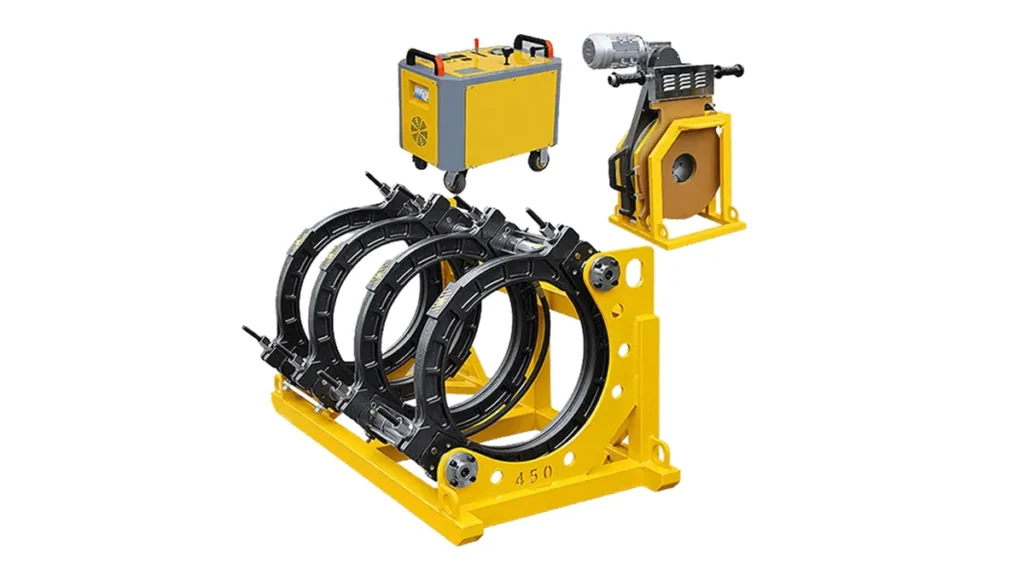
Butt fusion machines are the backbone of HDPE pipeline installation across water, gas, mining and industrial projects. If you’re planning pipeline works in Venezuela — from urban water networks in Caracas to rural distribution lines in the Llanos and oilfield utilities near Maracaibo — understanding what a butt fusion machine does and how to choose the right one is essential.
What Is a Butt Fusion Machine?
A butt fusion machine heats and joins the ends of thermoplastic pipes (typically HDPE) by pressing the warm faces together under controlled pressure and time. The result is a continuous, leak-free joint that matches the strength of the pipe itself. This method is ideal for infrastructure in Venezuela where long-term durability and resistance to corrosion and chemical attack are critical.
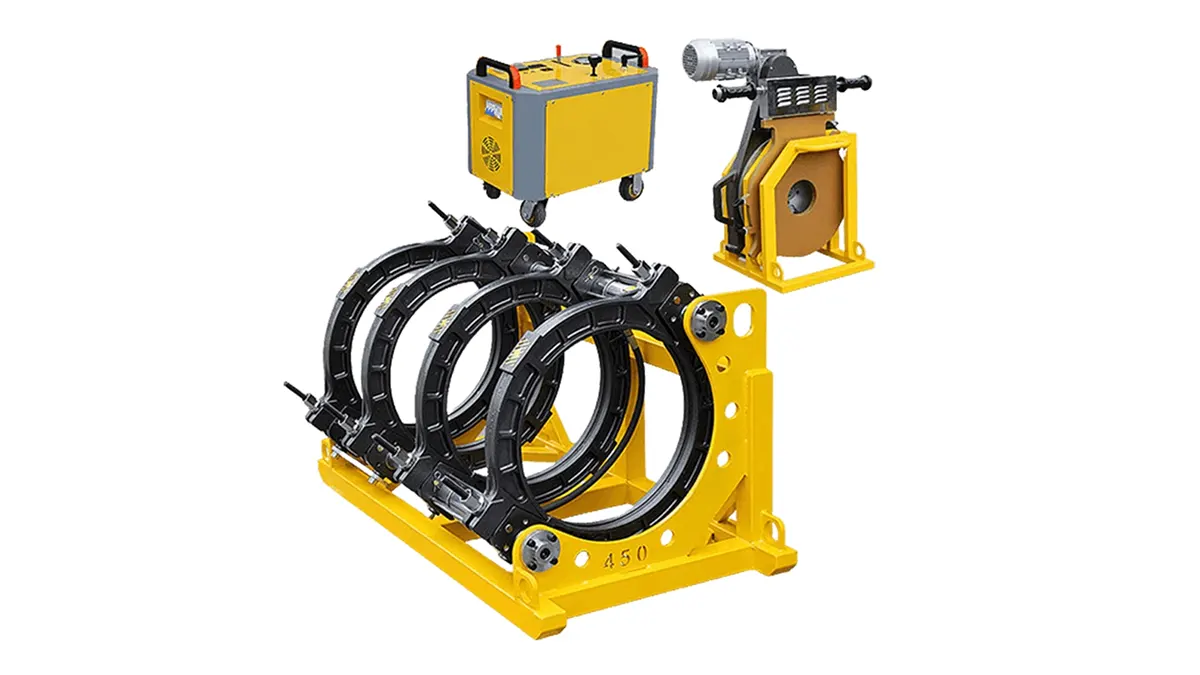
How Butt Fusion Works — Simple Steps
Butt fusion follows a repeatable process: align, face, heat, fuse and cool. Precise alignment and facing remove irregularities, the heating plate melts pipe ends uniformly, and controlled pressing creates a strong molecular bond. For field work in Venezuela, reliable cycle control and robust clamping are non-negotiable to handle varying site conditions.
Why Butt Fusion Is a Good Choice in Venezuela
Local conditions influence equipment choice. Butt fusion is preferred because it delivers:
-
Durability for harsh tropical climates and chemically aggressive soils.
-
Low maintenance joints ideal for remote communities with limited service access.
-
Strong, leak-free pipelines that support potable water, LPG, and industrial fluids important to Venezuelan municipalities and oil & gas facilities.
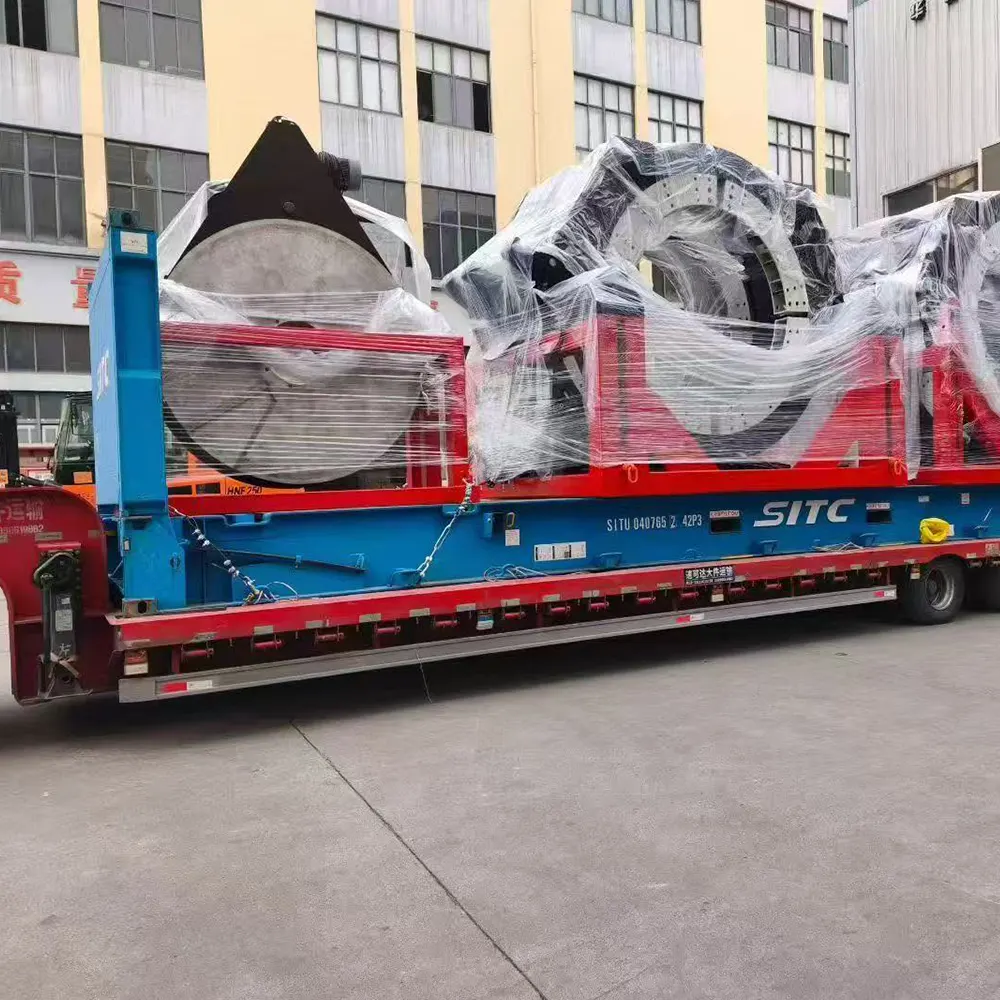
Types of Butt Fusion Machines
Manual Machines
Compact, affordable and suited for smaller-diameter pipes and tight budgets. Good for small contractors in regional cities and field repairs.
Hydraulic Machines
Provide higher and consistent pressure for medium to large diameter pipes. Well-suited for municipal and industrial projects where cycle stability and power are needed.
CNC / Automatic Machines
Offer programmable cycles, precise control and data logging. Ideal for large-scale pipeline contractors working on projects for water utilities or energy infrastructure in Venezuela.
Quick Comparison Table
| Type | Typical Diameter | Best For | Notes |
|---|---|---|---|
| Manual | 20–400 mm | Small jobs, repairs | Lightweight, low cost |
| Hydraulic | 160–2250 mm | Municipal & industrial | Stable pressure, rugged |
| CNC / Automatic | 63–2250 mm+ | Large projects, data logging | High precision, higher cost |
How to Choose the Right Machine for Venezuela
Selecting the right butt fusion machine depends on local project needs and site realities:
-
Pipe diameter and SDR: Match the machine clamping capacity and heating plate size to the HDPE pipe standards used by your project.
-
Power availability: choose models that run reliably on available generators or grid power in remote areas.
-
Mobility vs. production: manual for mobility, hydraulic for mid-sized jobs, and automatic for high-volume urban works.
-
Operator training and local support: prioritize machines with easy-to-use controls and available spare parts.
-
Environmental resilience: coastal and jungle sites need corrosion-resistant materials and sealed electronics.
Checklist Before Purchase
Before buying, verify:
-
Clamping range and max pipe OD
-
Heating plate sizes included
-
Control options (manual, digital, CNC) and data logging
-
Spare parts availability and warranty
-
On-site training and technical support
Where to Buy
JQ-Fusion offers a wide range of manual, hydraulic and automatic butt fusion machines suitable for projects in Venezuela, backed by manufacturing experience and global deliveries. Visit https://jq-fusionwelding.com/ for model options and support information.
Final Tips for Venezuelan Contractors
Plan for transport constraints (narrow mountain roads), confirm fuel and power logistics for field welding, and invest in operator certification — these steps will maximize weld quality and reduce rework on critical water and gas networks across Venezuela.



