
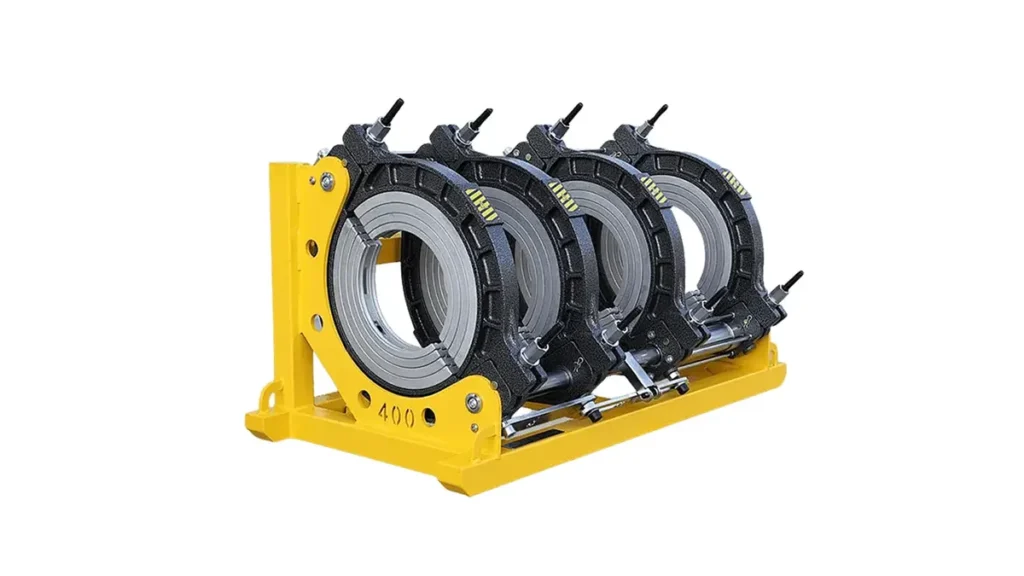
Smart control is reshaping pipeline construction welding machines. Advances in sensors, automation, connectivity and data-driven welding workflows are improving joint quality, cutting rework, and raising productivity on site. This article explains what’s changing, why it matters to contractors and engineers, and how modern features translate into measurable benefits.
The new smart-control landscape for butt fusion and electrofusion machines
Smart control is no longer a luxury — it’s becoming the baseline. Today’s machines combine precise hydraulic controls, temperature profiling, digital timers, and embedded microcontrollers to enforce repeatable welding cycles. Key elements include real‑time feedback from temperature and pressure sensors, programmable welding recipes, and automatic cycle enforcement that reduces operator variance.
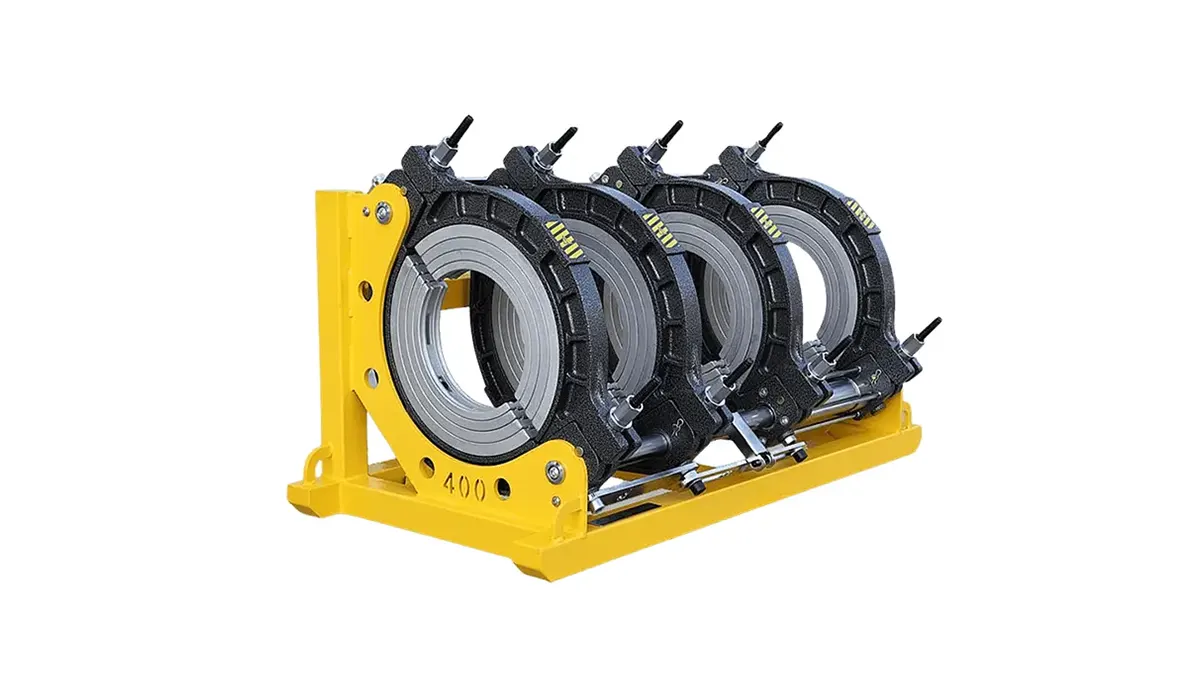
Why precision matters on modern pipeline projects
Pressure-rated distribution networks and long-life water or gas infrastructure require welds that meet strict standards. Smart controls ensure heat, dwell time and alignment stay within validated windows. That reduces the chance of weak fusion zones and helps projects pass third-party inspection without delays.
Top trends driving adoption
- Automated welding sequences: Preset recipes for specific PE grades and diameters remove guesswork.
- Integrated data logging: Time-stamped weld reports for traceability and quality audits.
- Remote monitoring: Fleet telematics allow managers to check weld counts, error events and maintenance needs.
- Sensor fusion: Combined temperature, force and positional sensing gives a fuller picture of joint conditions.
- Intuitive UIs: Touchscreen menus and guided workflows shorten training time for new operators.
Hard numbers: what smart control delivers
Across mixed projects, smart-controlled welding machines typically show improvements in several measurable KPIs:
| KPI | Typical Improvement | Why it matters |
|---|---|---|
| Weld consistency | +30–50% | Fewer rejects, fewer repairs |
| Operator training time | -40% | Faster onboarding, lower labor cost |
| Inspection pass rate | +20–35% | Quicker approvals, reduced delays |
| Project lifecycle costs | -10–25% | Lower rework and maintenance over time |
Real-world impact for contractors and owners
On municipal or gas distribution projects, the combination of automated welding and digital traceability speeds approvals and provides strong evidence for warranty claims. For contractors, fewer call-backs and predictable daily outputs improve margins. Owners benefit from longer-lasting joints and lower lifecycle cost.
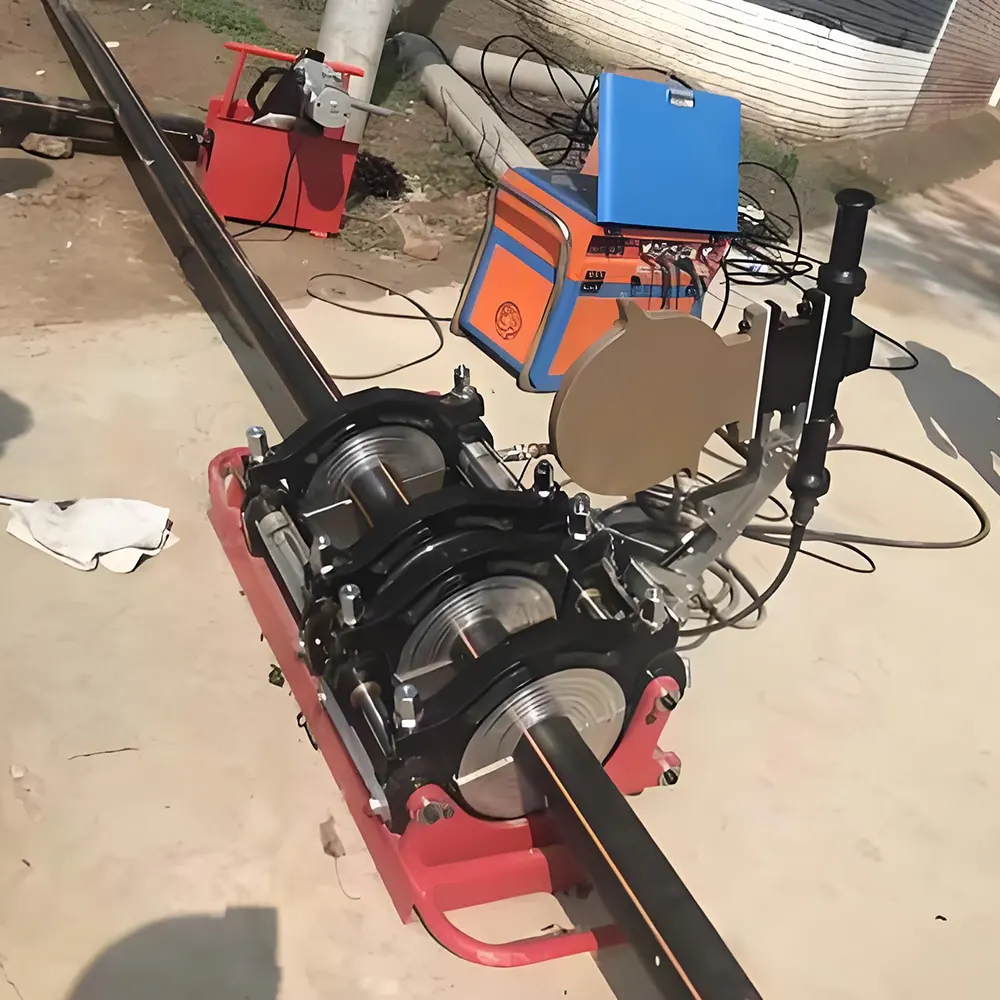
Implementation tips: how to get the most from smart controls
- Define welding recipes for the materials and diameters you use most and store them on the machine.
- Use data logs for continuous improvement — review weld batches to tune settings and training.
- Integrate telematics with project management tools to track productivity and machine health.
- Prioritize equipment with modular upgrades so new features (e.g., better sensors, connectivity) can be added later.
Selection checklist for buying teams
When choosing machines, weigh these minimum smart-control capabilities:
- Programmable welding profiles and automatic cycle enforcement.
- Integrated temperature and pressure sensors with live display.
- Onboard data logging plus exportable reports (CSV/PDF).
- Optional remote monitoring or fleet management interface.
- Serviceability, spare parts availability and clear documentation.
Future directions worth watching
Expect even tighter integration between machines and project software: AI-assisted weld anomaly detection, cloud-based quality dashboards, and augmented-reality operator guidance are emerging. These features will further reduce human error and speed troubleshooting on remote sites.
How manufacturers support the shift
Manufacturers that combine rugged hardware with thoughtful software and after-sales support make adoption smoother. One example is JQ-Fusion, which supplies a range of manual, hydraulic and CNC automatic butt fusion welding machines and supports customers with documentation and service to ensure devices deliver consistent, traceable welds.
Quick summary
Smart control in pipeline welding machines means better quality, fewer reworks, and stronger project economics. For project managers and contractors looking to raise standards while controlling costs, investing in smart-controlled welding equipment and associated workflows is a high-impact move.



