
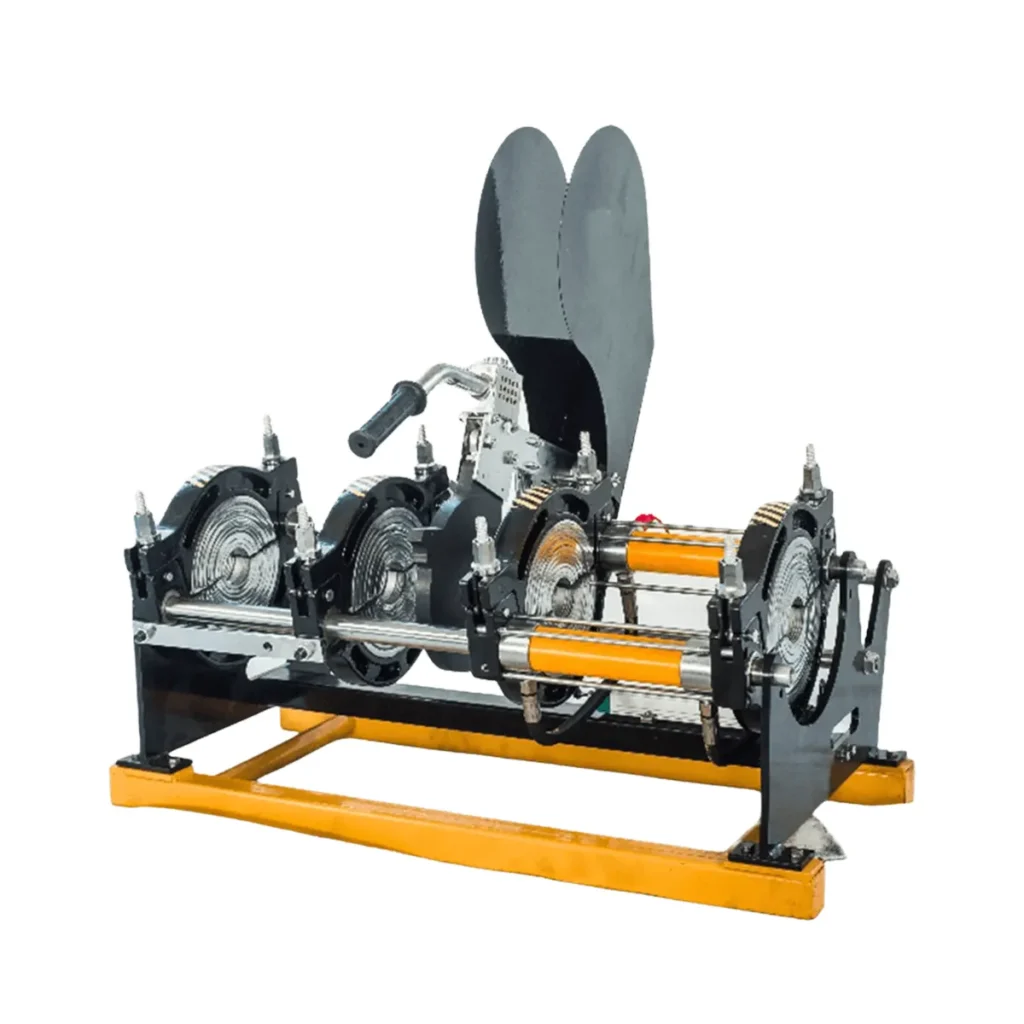
In the United States, butt fusion machines are essential equipment for joining HDPE and other thermoplastic pipes used in water, gas, sewer, and industrial pipelines. This guide explains what a butt fusion machine is, how it works, and how to choose the right model for US projects — considering standards, climate, jobsite conditions, and common pipe diameters.
What Is a Butt Fusion Machine?
A butt fusion machine is a specialized welding system that joins two pipe ends by heating and pressing them together to form a uniform, leak-free joint. The process is widely used in the US for HDPE pipelines because it produces strong, corrosion-resistant connections suitable for long-life infrastructure.
How Butt Fusion Works
The butt fusion process follows three main steps: aligning and clamping the pipe ends, facing to create flat, clean surfaces, heating with a hot plate, and then pressing the heated ends together under controlled pressure until they cool. Automated control systems and hydraulic units improve consistency and speed for larger projects.
Key benefits for US contractors
Durability in harsh climates, resistance to soil movement, and long service life make butt fusion a preferred choice for municipal and industrial pipeline work across the country.
Types of Butt Fusion Machines
Choosing between manual, hydraulic, and CNC/automatic butt fusion machines depends on pipe size, project scale, mobility needs, and operator skill.
Manual Machines
Best for small-diameter pipes, low-volume repairs, and sites with limited power access. They are portable and cost-effective but require more operator skill for consistent weld quality.
Hydraulic Machines
Common on US construction sites for mid-to-large diameter pipes. They deliver stable clamping and controlled pressure, reducing operator variability and improving weld quality, especially in colder regions.
Automatic / CNC Machines
Ideal for high-volume or precise industrial projects. These machines offer digital control of heating, pressure, and timing — helpful when meeting stringent standards or when repeatability is critical.
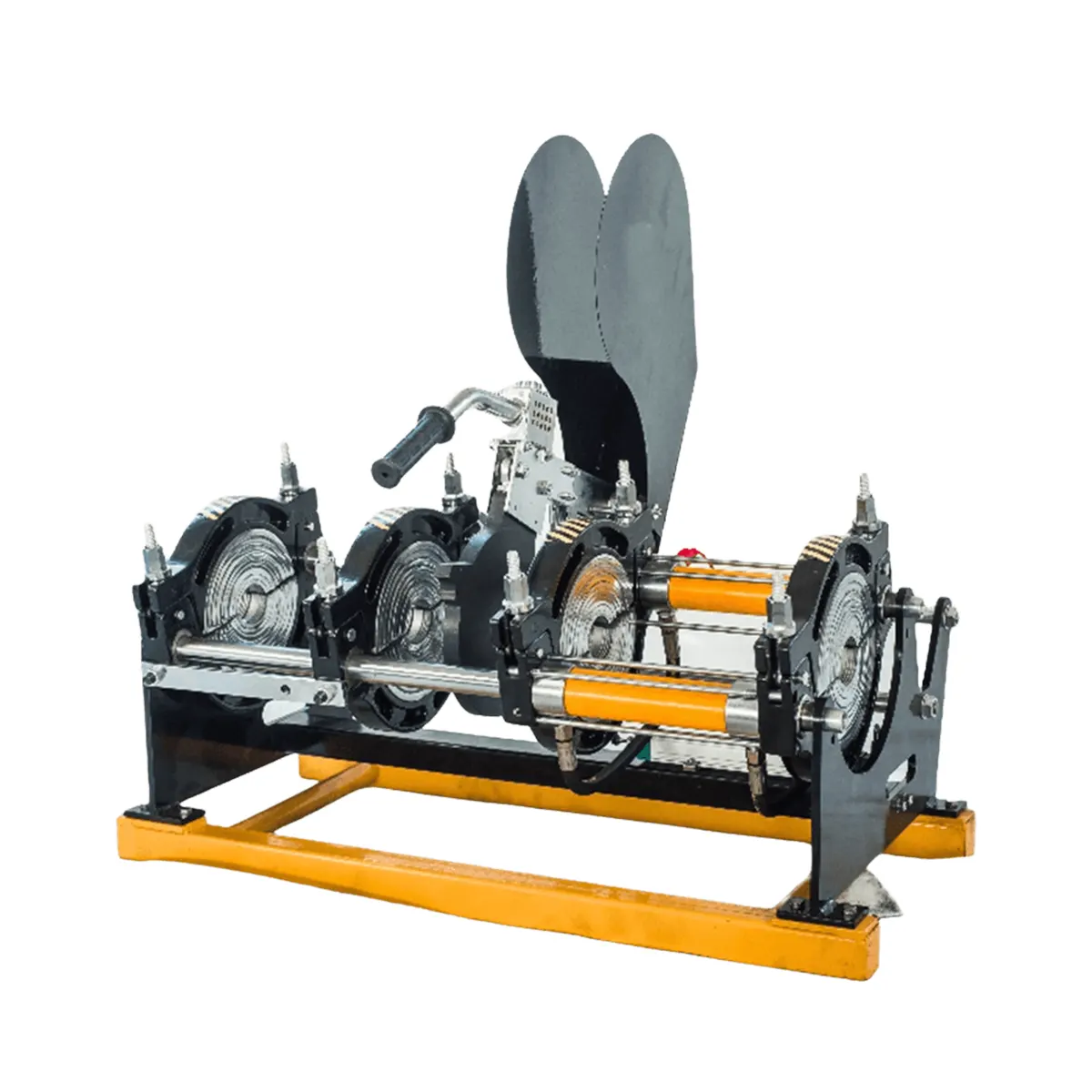
How to Choose the Right Butt Fusion Machine in the US
Use these practical selection criteria tailored to US project needs.
1. Project Type and Pipe Diameter
Determine the pipe size range (from small municipal service lines to large-diameter trunk mains). Manual machines suit 20–160mm ranges; hydraulic and automatic units handle larger diameters up to several meters.
2. Compliance and Standards
Make sure the machine and welding procedures meet US standards such as ASTM, AWWA, and DOT requirements. Certification and traceable weld records are often requested on public projects.
3. Environment and Mobility
Consider cold-weather performance, portability for remote sites, and site power availability. Hydraulic units with battery or portable power options are beneficial in rural or winter conditions common in northern states.
4. Operator Skill and Training
Automatic machines reduce operator dependency. If your crew is new to butt fusion, choose machines with guided controls, clear error reporting, and available training programs.
Quick Comparison Table
| Machine Type | Typical Pipe Range | Best For | US Use Cases |
|---|---|---|---|
| Manual | 20–160 mm | Repairs, small crews | Service lines, irrigation |
| Hydraulic | 160–1250 mm+ | Construction, municipal | Water mains, gas distribution |
| Automatic / CNC | 160–2000+ mm | High precision, large projects | Industrial, large-diameter pipelines |
Certifications, Service & Warranties
Public and private projects in the US often require documentation of machine calibration, operator training, and welding procedure specifications (WPS). Choose vendors that provide clear warranty terms, spare parts availability, and local or regional service support.
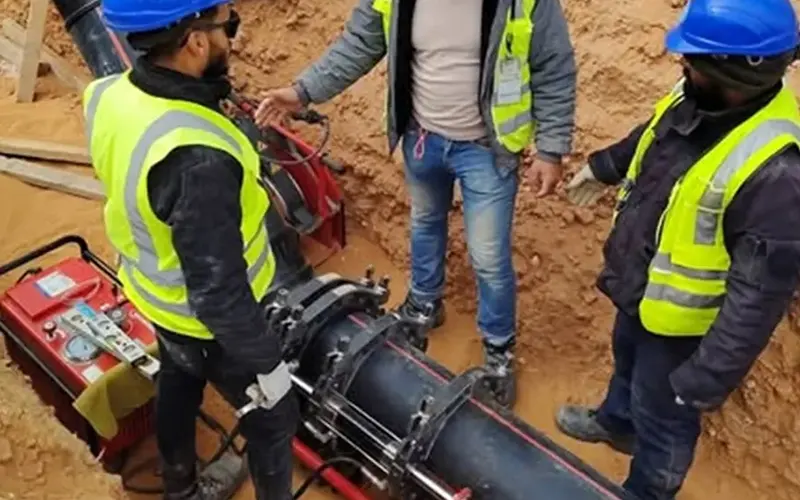
Maintenance and Spare Parts
Regular maintenance of heaters, clamps, and hydraulic components ensures consistent weld quality. Fast access to spare parts and field service reduces downtime on tightly scheduled US projects.
Safety and Training Considerations
Butt fusion involves high temperatures and hydraulic forces. Ensure crews are trained in equipment operation, hot plate handling, PPE use, and site safety procedures. Many manufacturers offer on-site training and certification — a big advantage for contractors bidding on regulated projects.
Where to Buy and Who to Trust
When sourcing machines for US applications, prioritize manufacturers with proven experience in HDPE welding equipment, documented compliance with US standards, and clear after-sales support. JQ-Fusion provides a range of manual, hydraulic, and automatic butt fusion machines and supports global infrastructure projects with parts and service.
Final checklist before purchase
– Confirm pipe diameter range and expected daily weld volume.
– Verify compliance with applicable US standards (ASTM/AWWA/DOT).
– Confirm warranty, spare parts, and training availability.
– Evaluate portability and power needs for your typical jobsite.
If you need help selecting the right unit for a US project, consider a supplier that can match machine capability to project scale and regulatory requirements while offering local support and training.



